 EN
EN

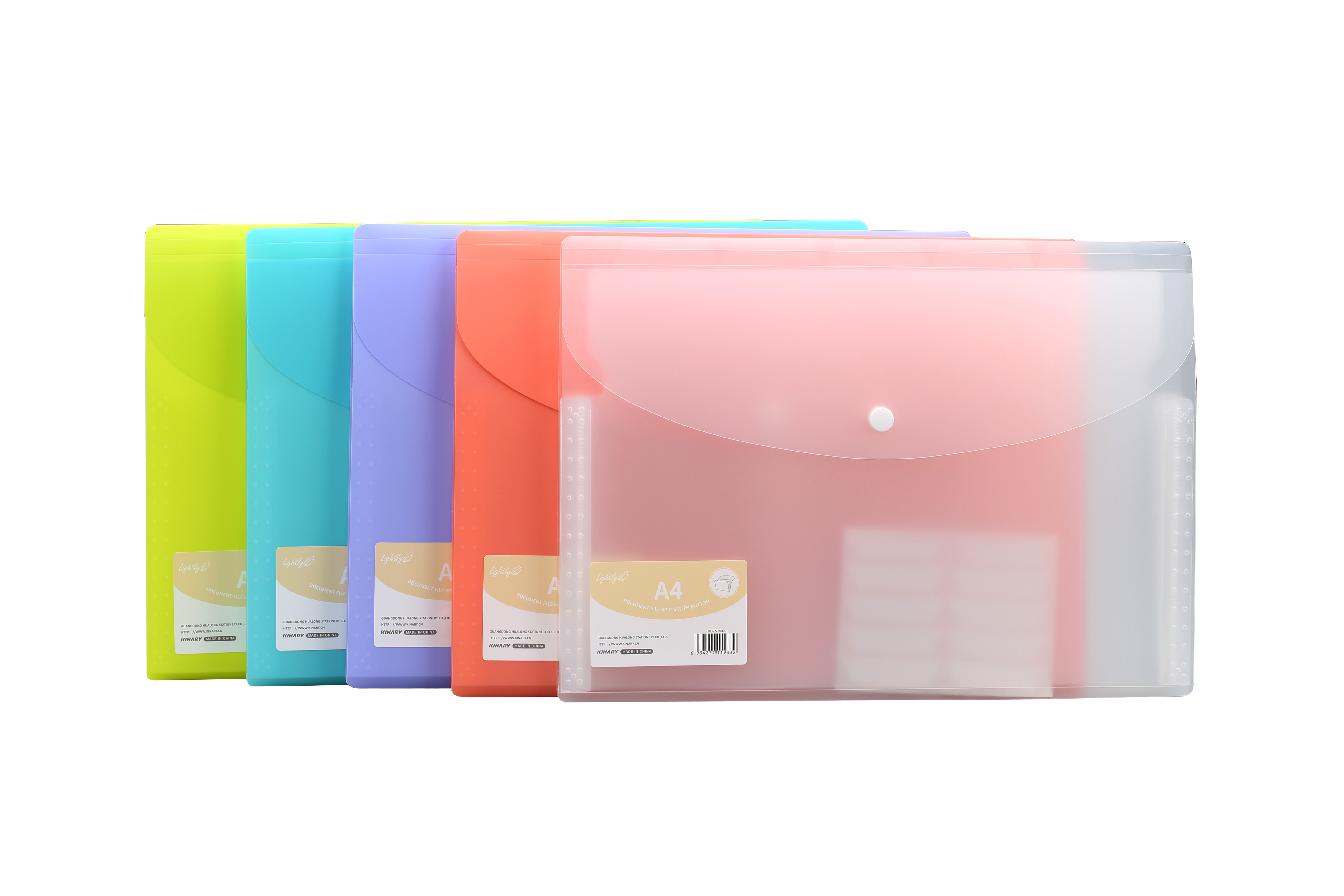
Document preservation remains a critical concern for businesses, educational institutions, and individuals who need to maintain important paperwork over extended periods. The choice of storage solutions directly impacts the longevity and accessibility of vital documents, making it essential to evaluate various options carefully. Among the numerous storage methods available, clear files have emerged as a popular choice due to their transparency, affordability, and ease of use.
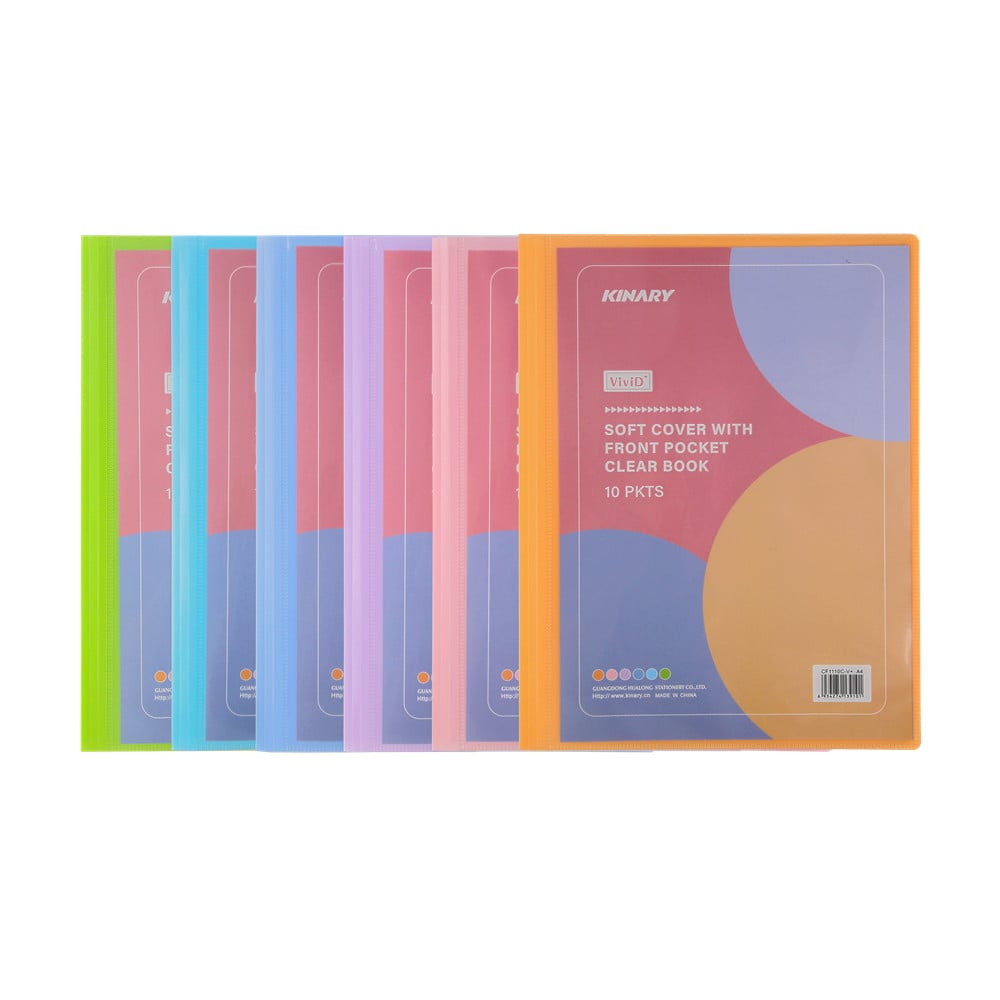
The question of whether these transparent storage solutions provide adequate protection for long-term document preservation requires careful examination of material composition, environmental factors, and specific storage requirements. Understanding the capabilities and limitations of clear files helps organizations make informed decisions about their document management strategies. This comprehensive analysis explores the suitability of clear files for extended storage periods while considering alternative solutions that may better serve specific preservation needs.
Material Composition and Durability Characteristics
Polypropylene Construction Benefits
Most high-quality clear files utilize polypropylene as their primary construction material, offering several advantages for document storage applications. Polypropylene exhibits excellent chemical resistance, preventing deterioration when exposed to common office environments and handling conditions. The material maintains its structural integrity across a wide temperature range, making it suitable for various storage environments without becoming brittle or overly flexible.
The non-reactive nature of polypropylene ensures that documents stored within clear files remain free from chemical interactions that could cause discoloration, staining, or degradation over time. This characteristic proves particularly important for preserving photographs, certificates, and other documents where visual quality must be maintained. Additionally, polypropylene resists moisture absorption, providing a barrier against humidity-related damage that commonly affects paper-based materials.
Transparency and Accessibility Features
The transparent nature of clear files enables immediate document identification without requiring removal from the protective sleeve, reducing handling frequency and associated wear. This visibility advantage streamlines filing systems and improves workflow efficiency in busy office environments. The clarity of high-grade polypropylene remains consistent over time, ensuring that document visibility does not diminish as the storage solution ages.
Professional-grade clear files maintain their transparency even after years of use, provided they receive appropriate care and storage conditions. The material resists yellowing and clouding that can occur with lower-quality plastic alternatives, ensuring that document contents remain easily readable throughout the storage period. This sustained clarity contributes to the overall effectiveness of filing systems that rely on visual organization methods.
Environmental Protection Capabilities
Moisture and Humidity Resistance
Clear files provide substantial protection against moisture-related damage, one of the most common threats to document integrity during long-term storage. The sealed edges of properly constructed clear files create a barrier that prevents water vapor from reaching enclosed documents, even in environments with fluctuating humidity levels. This protection proves invaluable in regions with high humidity or facilities lacking climate control systems.
The hydrophobic properties of polypropylene ensure that any moisture contacting the exterior surface beads away rather than penetrating the material structure. This characteristic prevents the formation of condensation within the storage sleeve, eliminating conditions that promote mold growth or paper deterioration. Document preservation specialists recognize this moisture resistance as a significant advantage for long-term storage applications.
Dust and Particulate Protection
Effective document preservation requires protection from airborne contaminants that accumulate over time, potentially causing abrasion, staining, or chemical reactions. Clear files create a physical barrier that prevents dust, pollen, and other particulates from settling on document surfaces. This protection becomes particularly important in industrial environments or areas with high foot traffic where airborne contaminants are more prevalent.
The smooth surface of quality clear files facilitates easy cleaning and maintenance, allowing users to remove accumulated dust without affecting the stored documents. Regular cleaning of the exterior surfaces maintains optimal visibility while ensuring that contaminants do not transfer to document surfaces during handling. This maintenance capability extends the effective lifespan of both the storage solution and the protected documents.
Limitations and Considerations for Long-Term Storage
UV Light Exposure Concerns
Extended exposure to ultraviolet light represents one of the primary limitations of standard clear files for long-term document storage. UV radiation can cause fading, discoloration, and material degradation in both the storage sleeve and enclosed documents over time. Facilities with large windows or fluorescent lighting may accelerate these photodegradation processes, particularly affecting documents stored in areas with direct light exposure.
While some manufacturers offer UV-resistant formulations of clear files, standard versions provide limited protection against light-induced damage. Document preservation specialists recommend combining clear files with appropriate lighting controls and storage location selection to minimize UV exposure risks. Understanding these limitations helps organizations implement complementary protective measures for sensitive documents requiring extended storage periods.
Temperature Fluctuation Effects
Significant temperature variations can affect the dimensional stability of clear files, potentially causing expansion and contraction that may damage enclosed documents through friction or pressure. Extreme temperature conditions may also alter the flexibility of polypropylene, making it either too rigid or too soft for optimal document protection. These effects become more pronounced in storage environments lacking climate control systems.
The thermal expansion properties of plastic materials mean that clear files stored in areas subject to temperature cycling may develop stress points or deformation over time. This physical degradation can compromise the protective seal and reduce the effectiveness of the storage solution. Proper environmental controls and storage location selection help mitigate these temperature-related risks for long-term applications.
Comparison with Alternative Storage Solutions
Archival-Quality Folders and Boxes
Archival storage solutions manufactured from acid-free materials offer superior long-term protection for valuable documents, particularly those requiring preservation for decades or centuries. These specialized storage products undergo rigorous testing to ensure chemical stability and non-reactive properties that prevent document degradation. While archival solutions typically cost more than clear files, they provide enhanced protection for irreplaceable documents.
The opaque nature of archival folders provides complete protection from light exposure, eliminating UV-related degradation risks that affect transparent storage solutions. Additionally, archival-quality materials maintain their protective properties over extended periods without requiring replacement, making them cost-effective for truly long-term storage applications. Organizations must weigh the increased initial investment against the superior protection provided by these specialized solutions.
Digital Conversion and Hybrid Systems
Digital document conversion offers an alternative approach to long-term preservation that eliminates many physical storage challenges associated with paper documents. Scanning documents to high-resolution digital formats provides unlimited duplication capability and eliminates risks associated with physical deterioration. However, digital preservation requires ongoing technology management and format migration to ensure long-term accessibility.
Hybrid storage systems that combine physical preservation of original documents with digital copies provide comprehensive protection against various loss scenarios. Clear files can play a role in these hybrid systems by protecting original documents while digital copies handle routine access needs. This approach reduces handling of physical documents while maintaining the legal and historical value of original materials.
Best Practices for Maximizing Clear File Effectiveness
Proper Storage Environment Selection
Selecting appropriate storage locations significantly impacts the long-term effectiveness of clear files for document preservation. Climate-controlled environments with stable temperature and humidity levels provide optimal conditions for both the storage solution and enclosed documents. Avoiding areas with direct sunlight, extreme temperatures, or high humidity helps maximize the protective capabilities of clear files.
Storage areas should also minimize exposure to chemicals, cleaning products, and other potential contaminants that could affect document integrity over time. Proper ventilation prevents the accumulation of harmful vapors while maintaining air quality suitable for long-term document preservation. Regular monitoring of environmental conditions ensures that storage parameters remain within acceptable ranges for extended periods.
Regular Inspection and Maintenance Protocols
Implementing systematic inspection schedules allows early detection of potential problems before they affect document integrity. Regular examination of clear files for signs of wear, damage, or degradation enables timely replacement before protective capabilities are compromised. Documentation of inspection results provides valuable data for optimizing storage practices and replacement schedules.
Maintenance protocols should include gentle cleaning procedures that remove accumulated dust and contaminants without damaging the storage solution or enclosed documents. Using appropriate cleaning materials and techniques ensures that maintenance activities enhance rather than compromise document protection. Training staff in proper handling and maintenance procedures promotes consistent care throughout the storage period.
Cost-Benefit Analysis for Different Applications
Short to Medium-Term Storage Applications
For storage periods ranging from several months to a few years, clear files offer an excellent balance of protection and cost-effectiveness. The relatively low initial investment combined with adequate protection for most document types makes clear files suitable for routine business filing and temporary preservation needs. Organizations can achieve significant cost savings compared to premium archival solutions while maintaining acceptable protection levels.
The ease of implementation and user familiarity with clear files reduces training requirements and adoption barriers in workplace settings. Staff can quickly integrate these storage solutions into existing filing systems without extensive procedural changes. This operational efficiency contributes to the overall value proposition for organizations with moderate storage requirements.
Long-Term and Archival Requirements
When storage periods extend beyond five to ten years, the limitations of standard clear files become more significant relative to their cost advantages. Archival-quality alternatives may provide better value over extended periods due to their superior protective properties and longer replacement intervals. Organizations must consider the total cost of ownership, including replacement frequency and potential document damage costs.
Critical documents requiring permanent preservation typically justify the investment in specialized archival storage solutions rather than relying solely on clear files. However, clear files may still play a supporting role in archival systems by providing secondary protection or facilitating document handling during access procedures. The decision should reflect the irreplaceable value of stored documents and organizational risk tolerance.
FAQ
How long can documents safely remain in clear files
Documents can safely remain in high-quality clear files for several years under proper storage conditions, with typical effective periods ranging from 3 to 7 years depending on environmental factors and document sensitivity. Factors such as temperature stability, humidity control, and UV exposure significantly impact this timeframe. Regular inspection helps determine when replacement becomes necessary to maintain optimal protection levels.
Do clear files prevent all types of document damage
Clear files provide excellent protection against moisture, dust, and handling damage but offer limited protection against UV light exposure and extreme temperature fluctuations. They cannot prevent damage from improper storage conditions or environmental factors that exceed their protective capabilities. Understanding these limitations helps set appropriate expectations and implement complementary protective measures where necessary.
What environmental conditions optimize clear file performance
Optimal conditions include stable temperatures between 60-70°F (15-21°C), relative humidity between 30-50%, minimal UV exposure, and good air circulation. Avoiding direct sunlight, heat sources, and areas prone to temperature fluctuations extends both clear file lifespan and document protection effectiveness. Climate-controlled storage environments provide the best long-term results for document preservation in clear files.
Are there specific document types unsuitable for clear file storage
Documents printed with certain inks that may transfer or stick to plastic surfaces, photographs requiring archival preservation, and materials sensitive to static electricity may not be suitable for standard clear file storage. Additionally, documents requiring permanent archival preservation typically benefit from specialized archival-quality storage solutions rather than clear files. Consultation with preservation specialists helps determine appropriate storage methods for valuable or sensitive documents.
