 EN
EN


In today's competitive business environment, protecting valuable documents and corporate materials has become more critical than ever. Professional document storage solutions have evolved from simple carrying cases to sophisticated protective systems that safeguard important paperwork, contracts, and sensitive materials. A high-quality document bag serves as the first line of defense against environmental hazards, theft, and accidental damage that could compromise business operations or confidential information.
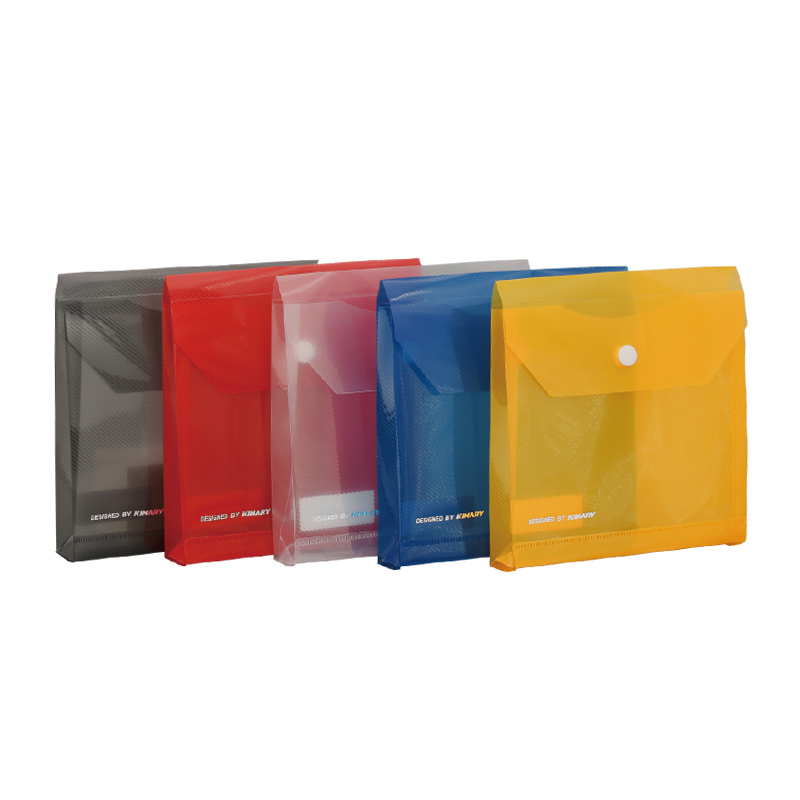
Corporate executives, legal professionals, and business consultants understand that their portfolios contain assets worth far more than their material cost. Legal contracts, financial reports, strategic plans, and confidential agreements represent substantial investments in time, money, and competitive advantage. The loss or damage of such materials can result in missed opportunities, legal complications, and significant financial losses. Therefore, selecting an appropriate protective carrying solution becomes a strategic business decision rather than a simple purchase.
The modern workplace demands mobility without compromising security. Whether traveling between client meetings, attending board presentations, or working remotely, professionals need reliable protection for their most important documents. Traditional briefcases and standard bags often fall short when it comes to providing adequate protection against water damage, impact, fire, or unauthorized access. This gap in protection has led to the development of specialized storage solutions designed specifically for high-value corporate portfolios.
Understanding Document Protection Requirements
Environmental Hazards and Material Vulnerability
Paper documents and electronic storage devices face numerous environmental threats during transport and storage. Water damage represents one of the most common risks, occurring through unexpected weather conditions, spills, or building incidents. Even minimal moisture exposure can cause irreversible damage to important paperwork, making documents illegible or causing ink to run. A professional-grade document bag incorporates waterproof materials and sealed compartments to prevent moisture intrusion.
Temperature fluctuations and humidity changes can also affect document integrity over time. Extreme heat can cause paper to become brittle, while high humidity may lead to mold growth or warping. Quality protective cases include climate-resistant materials and sometimes incorporate moisture-absorbing elements to maintain stable internal conditions. These features become particularly important for long-term storage or when traveling through various climate zones.
Fire resistance has emerged as another critical consideration for document protection. While complete fireproofing may not always be practical for portable solutions, fire-resistant materials can provide valuable time for evacuation while protecting contents from heat damage. Some specialized document bags incorporate fire-retardant fabrics and insulation layers that can withstand high temperatures for extended periods.
Security Threats and Access Control
Corporate documents often contain confidential information that requires protection from unauthorized access. Traditional bags provide minimal security beyond basic zippers or clasps, which can be easily bypassed by determined individuals. Advanced document protection systems incorporate multiple security layers, including combination locks, reinforced closures, and tamper-evident features that reveal attempted breaches.
Identity theft and corporate espionage represent growing concerns in today's connected business environment. Sensitive documents containing personal information, trade secrets, or strategic plans require enhanced security measures during transport. A properly designed document bag includes features such as RFID-blocking materials, secure compartment design, and visual deterrents that discourage theft attempts.
Physical security extends beyond protecting against theft to include preventing accidental loss or misplacement. Professional document bags often incorporate bright colors, reflective elements, or distinctive markings that make them easily identifiable. Some models include GPS tracking capabilities or attachment points for security cables, providing additional peace of mind when transporting valuable materials.
Material Science and Construction Quality
Advanced Protective Materials
The effectiveness of any document bag depends heavily on the materials used in its construction. Modern protective cases utilize advanced polymers, treated fabrics, and composite materials engineered specifically for document protection applications. Ballistic nylon, originally developed for military applications, provides exceptional tear resistance and durability while remaining lightweight enough for everyday use.
Waterproof membranes and vapor barriers create sealed environments that protect against moisture intrusion without adding significant bulk or weight. These materials undergo rigorous testing to ensure they maintain their protective properties under various stress conditions, including temperature cycling, UV exposure, and mechanical flexing. Quality manufacturers provide detailed specifications regarding protection levels and testing standards.
Fire-resistant materials have evolved significantly in recent years, offering improved protection without compromising portability. Modern fire-retardant fabrics can withstand temperatures exceeding 1000 degrees Fahrenheit while maintaining structural integrity. Some document bags incorporate multiple layers of protection, combining fire-resistant outer shells with insulating cores and moisture barriers to provide comprehensive environmental protection.
Engineering and Structural Design
Proper construction techniques play a crucial role in determining the long-term effectiveness of document protection systems. Welded seams and heat-sealed joints provide superior water resistance compared to traditional stitching methods. Reinforced stress points and impact-absorbing materials help distribute forces during drops or impacts, protecting contents from physical damage.
Internal organization systems maximize protection while maintaining accessibility. Padded compartments prevent documents from shifting during transport, while rigid internal frames provide structural support that prevents crushing or bending. Some document bag designs incorporate modular organizational systems that can be customized based on specific content requirements.
Hardware selection significantly impacts both security and durability. Heavy-duty zippers, reinforced handles, and quality closure mechanisms must withstand repeated use while maintaining their protective seal. Professional-grade document bags often feature redundant closure systems and backup security measures to ensure continued protection even if primary systems fail.
Business Impact and Risk Management
Financial Consequences of Document Loss
The financial impact of losing important corporate documents extends far beyond replacement costs. Legal agreements, contracts, and compliance documentation often cannot be easily recreated, potentially resulting in missed deadlines, voided agreements, or regulatory violations. The cost of reconstructing lost business records, including time spent gathering signatures and approvals, can quickly exceed thousands of dollars.
Intellectual property theft represents another significant financial risk when documents are not properly protected. Trade secrets, strategic plans, and proprietary information can provide competitors with valuable advantages worth millions in lost market share. Investing in proper document bag protection serves as insurance against these potentially catastrophic losses.
Business continuity considerations also factor into document protection strategies. Companies that cannot access critical paperwork following disasters or security breaches may face operational shutdowns, client defections, and reputation damage. Quality protective storage ensures that essential documents remain accessible even during emergency situations, supporting faster recovery and continued operations.
Professional Image and Client Confidence
The appearance and quality of document storage solutions directly impact professional image and client perceptions. Clients and business partners often judge competency and attention to detail based on how professionals handle and protect important materials. A well-designed document bag demonstrates commitment to security and professionalism while inspiring confidence in business relationships.
Presentation quality becomes particularly important during high-stakes meetings, negotiations, or client presentations. Damaged, disorganized, or poorly protected documents can undermine credibility and create negative impressions that affect business outcomes. Professional document bags ensure that materials remain pristine and properly organized, supporting successful business interactions.
Brand consistency and corporate image also benefit from standardized document protection systems. Companies that provide quality document bags to employees create uniform professional appearances while demonstrating investment in proper business practices. This consistency reinforces brand values and corporate culture while supporting employee confidence and effectiveness.
Selection Criteria and Implementation Strategies
Assessing Protection Requirements
Selecting appropriate document bag protection requires careful assessment of specific business needs, risk factors, and usage patterns. Different industries and roles present varying levels of exposure to environmental hazards, security threats, and handling requirements. Legal professionals may prioritize security features, while field consultants might emphasize weather resistance and durability.
Content analysis helps determine appropriate protection levels and organizational features. High-value contracts and sensitive information require maximum security and environmental protection, while routine correspondence might need only basic weather resistance. Understanding document types, quantities, and access requirements guides selection of appropriate capacity, compartment design, and security features.
Usage environment assessment identifies specific protection priorities and feature requirements. Urban professionals face different risks compared to those working in industrial settings or remote locations. Travel frequency, transportation methods, and storage conditions all influence document bag selection criteria and determine which protective features provide the most value.
Integration with Existing Workflows
Successful document bag implementation requires integration with existing business processes and workflows. Training programs help employees understand proper usage techniques, security procedures, and maintenance requirements. Clear policies regarding document handling, storage protocols, and access controls maximize the effectiveness of protective systems while ensuring consistent application across organizations.
Technology integration opportunities can enhance document bag effectiveness through digital tracking, inventory management, and security monitoring systems. RFID tags, GPS tracking, and mobile applications provide additional layers of protection while supporting compliance and audit requirements. These technological enhancements transform simple document bags into comprehensive protection and management systems.
Maintenance and replacement schedules ensure continued effectiveness over time. Regular inspection programs identify wear patterns, security vulnerabilities, and performance degradation before they compromise protection capabilities. Establishing clear replacement criteria and procurement processes maintains consistent protection levels while controlling costs.
FAQ
What level of water protection should I expect from a quality document bag
Professional document bags typically offer various levels of water protection ranging from splash-resistant to completely waterproof submersion protection. Look for products with IPX ratings or specific testing certifications that indicate protection levels. Most quality document bags provide adequate protection against rain, spills, and high humidity conditions, while premium models can withstand temporary submersion or extreme weather conditions.
How do security features in document bags prevent unauthorized access
Modern document bag security systems incorporate multiple protection layers including combination locks, reinforced zippers, tamper-evident seals, and RFID-blocking materials. These features work together to deter casual theft attempts while providing evidence of unauthorized access attempts. Some models include cable attachment points, GPS tracking capabilities, and alarm systems for enhanced security in high-risk environments.
What maintenance is required to keep document bags functioning properly
Regular maintenance includes cleaning exterior surfaces, checking zipper and lock functionality, inspecting seals and waterproof barriers, and replacing worn components as needed. Most quality document bags require minimal maintenance beyond periodic cleaning and inspection. Following manufacturer guidelines for storage, handling, and cleaning helps ensure long-term performance and protection effectiveness.
How do I determine the appropriate size and capacity for my document bag needs
Document bag sizing should accommodate your largest typical document loads with some additional capacity for growth. Consider both document dimensions and volume requirements, including space for folders, binders, and electronic devices. Many professionals benefit from modular systems that allow capacity adjustment based on specific assignment requirements while maintaining consistent protection levels.
