 EN
EN

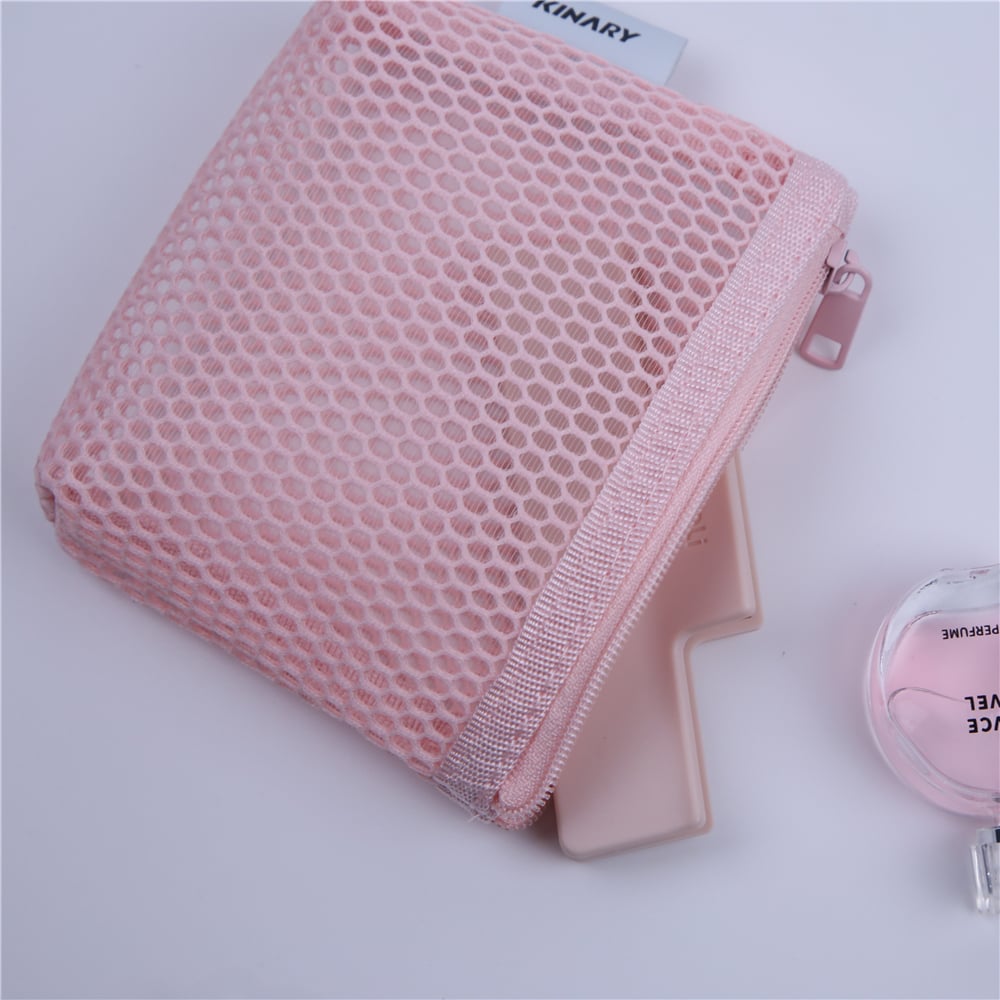
Creating compelling stationery collections requires a deep understanding of your target market's preferences, functional needs, and aesthetic desires. Successful retailers recognize that stationery collections serve dual purposes: they must appeal to both practical users seeking quality writing instruments and design-conscious consumers drawn to visually appealing products. The modern stationery market demands collections that balance functionality with contemporary design trends, offering customers cohesive product lines that reflect their personal style while meeting everyday writing and organizational needs.
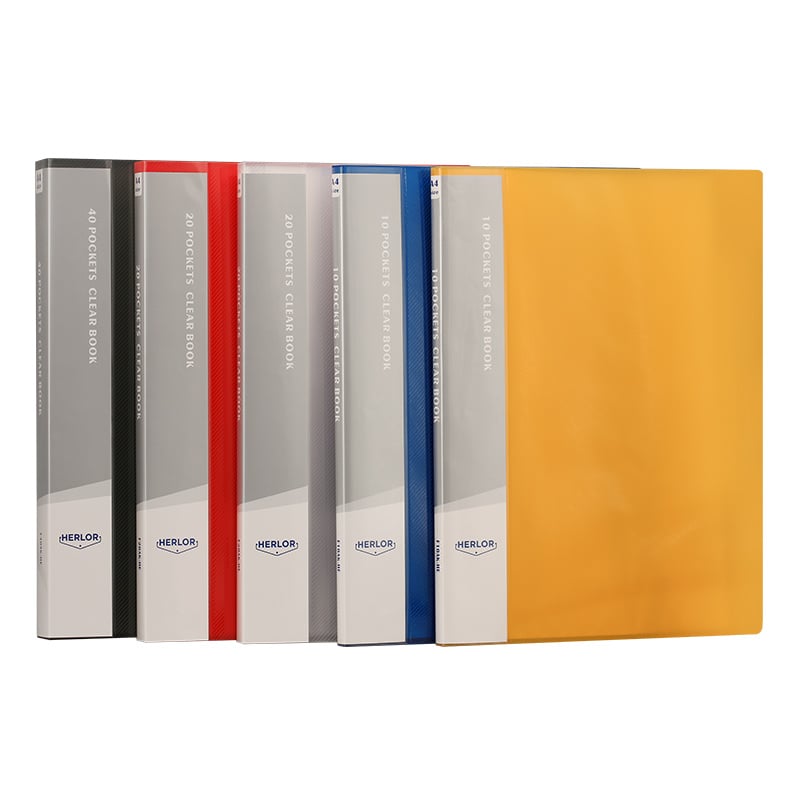
Understanding Your Target Market for Stationery Collections
Student Demographics and Preferences
Today's students represent a diverse demographic with varying preferences for stationery collections. Elementary and middle school students gravitate toward vibrant colors, playful patterns, and character-themed designs that reflect their interests and hobbies. High school students typically prefer more sophisticated aesthetics while still appreciating trendy colors and contemporary styling. College students often seek professional-looking stationery collections that can transition seamlessly from academic settings to internships and early career environments.
Understanding generational preferences helps retailers curate stationery collections that resonate with different age groups. Generation Z students value sustainability and ethical manufacturing practices, making eco-friendly materials and recyclable packaging important considerations. They also appreciate customization options and limited-edition designs that allow personal expression. Millennial students, now often pursuing advanced degrees or professional development, prefer minimalist designs with premium materials that convey sophistication and reliability.
Professional and Personal Use Considerations
Personal stationery collections must address the diverse needs of working professionals who use writing instruments for meetings, note-taking, journaling, and creative projects. Business professionals often require elegant, understated designs that complement their professional image while maintaining excellent writing performance. Creative professionals may prefer bold colors and unique textures that inspire their artistic endeavors and reflect their creative personality.
Home office workers and remote professionals represent a growing market segment requiring versatile stationery collections suitable for video calls, client meetings, and personal organization. These consumers value products that photograph well for social media sharing and reflect current interior design trends. Understanding these varied use cases enables retailers to develop comprehensive stationery collections that serve multiple purposes and market segments simultaneously.
Design Principles for Successful Stationery Collections
Color Psychology and Aesthetic Coordination
Effective stationery collections leverage color psychology to create emotional connections with consumers while maintaining visual cohesion across product lines. Warm colors like coral, gold, and terracotta appeal to consumers seeking energy and creativity, making them ideal for artistic and creative stationery collections. Cool colors such as sage green, dusty blue, and lavender create calming effects that resonate with consumers prioritizing organization and mindfulness in their daily routines.
Successful retailers develop cohesive color palettes that span multiple product categories within their stationery collections. This approach allows customers to mix and match items while maintaining aesthetic harmony. Neutral base colors with accent hues provide versatility, enabling consumers to incorporate pieces from different collections while creating personalized combinations that reflect their individual style preferences.
Material Selection and Quality Standards
Premium materials distinguish exceptional stationery collections from basic offerings, justifying higher price points and building customer loyalty. High-quality paper stocks, smooth-writing ink formulations, and durable construction materials contribute to positive user experiences that encourage repeat purchases. Sustainable materials like recycled paper, bamboo, and refillable components appeal to environmentally conscious consumers while supporting corporate social responsibility initiatives.
Texture plays a crucial role in the tactile experience of stationery collections. Soft-touch coatings, embossed patterns, and varied paper weights create sensory engagement that enhances perceived value. Retailers should consider how different materials photograph for social media marketing, as visually appealing textures and finishes drive online engagement and sharing among target demographics.
Product Mix Strategies for Comprehensive Collections
Core Items and Complementary Products
Successful stationery collections begin with essential core items that form the foundation of the product line. Notebooks, pens, pencils, and basic organizational tools constitute the primary purchase drivers that attract customers to specific collections. These foundational products should demonstrate consistent quality and design aesthetic that establishes brand recognition and customer expectations for the entire collection.
Complementary products expand the collection's appeal and increase average transaction values through cross-selling opportunities. Accessories like bookmarks, stickers, washi tape, and desk organizers enhance the core offerings while providing affordable entry points for budget-conscious consumers. Limited-edition seasonal items and special collaborations create urgency and exclusivity, driving repeat visits and social media buzz around stationery collections.
Size and Format Variations
Offering multiple sizes and formats within stationery collections accommodates different use cases and consumer preferences. Pocket-sized notebooks appeal to students and professionals who need portable note-taking solutions, while larger formats suit detailed planning and creative projects. Varied page layouts including lined, dotted, grid, and blank pages serve different writing and drawing purposes, expanding the collection's versatility and market reach.
Format diversity extends beyond traditional paper products to include digital-friendly options like app-compatible planners and QR code integration. Modern stationery collections increasingly incorporate technology-enhanced features that bridge analog and digital workflows, appealing to tech-savvy consumers who value seamless integration between physical and digital tools.
Marketing and Display Strategies
Visual Merchandising Techniques
Effective visual merchandising transforms stationery collections from simple product displays into engaging lifestyle presentations that inspire purchases. Grouping related items by color families or themes creates cohesive visual stories that help customers envision complete collections rather than individual products. Interactive displays allowing customers to test writing instruments and examine paper quality encourage hands-on engagement that leads to purchase decisions.
Strategic placement of stationery collections near complementary products like books, art supplies, or organizational tools creates natural cross-selling opportunities. Seasonal displays highlighting back-to-school, holiday gifting, or New Year organization themes position collections as solutions for specific consumer needs and time-sensitive purchasing motivations.
Digital Marketing and Social Media Presence
Social media platforms provide powerful venues for showcasing stationery collections through lifestyle photography and user-generated content. Instagram and TikTok particularly resonate with younger demographics who share stationery hauls, bullet journaling setups, and aesthetic desk arrangements. Retailers can leverage these platforms to demonstrate product versatility and inspire creative uses for their stationery collections.
Influencer partnerships with students, planning enthusiasts, and creative professionals extend the reach of stationery collections to engaged niche audiences. These collaborations provide authentic product demonstrations and styling ideas that feel more genuine than traditional advertising approaches. Email marketing campaigns featuring seasonal collections, exclusive previews, and styling tips maintain customer engagement between shopping visits.
Pricing and Positioning Strategies
Value Perception and Price Points
Pricing strategies for stationery collections must balance affordability with quality perception to attract diverse customer segments. Entry-level price points make collections accessible to students and budget-conscious consumers, while premium options appeal to professionals and gift purchasers seeking higher-quality materials and exclusive designs. Offering multiple price tiers within the same collection accommodates varying consumer budgets and purchase motivations.
Bundle pricing strategies encourage customers to purchase complete stationery collections rather than individual items, increasing average transaction values while providing perceived savings. Limited-time promotions and seasonal discounts create urgency around collection purchases, particularly during back-to-school and holiday shopping periods when stationery demand peaks significantly.
Competitive Analysis and Market Positioning
Understanding competitor offerings helps retailers position their stationery collections effectively in crowded markets. Analyzing competitor pricing, design aesthetics, and product features reveals opportunities for differentiation through unique materials, exclusive designs, or superior functionality. Market gaps in specific color palettes, themes, or price points present opportunities for innovative collection development.
Brand positioning statements should clearly communicate what makes specific stationery collections unique and valuable to target consumers. Whether emphasizing sustainability, artistic collaboration, premium materials, or affordable style, consistent messaging across all marketing channels reinforces collection identity and builds brand recognition in competitive retail environments.
Inventory Management and Seasonal Planning
Stock Level Optimization
Effective inventory management for stationery collections requires careful analysis of seasonal demand patterns and product velocity data. Back-to-school periods typically drive the highest sales volumes, requiring increased stock levels of core items like notebooks and writing instruments. Holiday seasons present opportunities for gift-oriented stationery collections with premium packaging and special edition designs.
Implementing data-driven reordering systems helps maintain optimal stock levels while minimizing carrying costs and obsolete inventory risks. Regular analysis of sales data reveals which items within stationery collections perform best, informing future product development and procurement decisions. Fast-moving items may require more frequent reorders, while slower products might benefit from promotional pricing to clear inventory.
New Collection Launch Timing
Strategic timing of new stationery collections launches maximizes market impact and sales potential. January launches capitalize on New Year organization resolutions and planning activities, while spring collections align with fresh starts and renewed energy. Summer collections targeting students preparing for new academic years should arrive in stores by mid-July to capture early back-to-school shopping.
Limited-edition and seasonal stationery collections create excitement and urgency that drives immediate purchases. These special releases also provide opportunities to test new design concepts, color palettes, and product formats before incorporating successful elements into permanent collection lines. Regular collection updates keep the product offering fresh and encourage repeat customer visits.
Customer Experience and Service Excellence
Product Education and Demonstrations
Knowledgeable staff education about stationery collections enhances customer service and drives sales through informed product recommendations. Training programs should cover product features, use cases, and coordination opportunities within collections, enabling staff to suggest complementary items and complete solutions. Product knowledge extends beyond basic specifications to include styling tips and creative application ideas.
Interactive demonstrations allow customers to experience the quality and functionality of stationery collections firsthand. Testing stations with sample products encourage engagement and help customers make confident purchase decisions. Staff-led workshops on bullet journaling, calligraphy, or organization techniques showcase product versatility while building community around stationery collections.
Customer Feedback and Collection Evolution
Regular customer feedback collection provides valuable insights for improving existing stationery collections and developing new offerings. Surveys, focus groups, and social media monitoring reveal consumer preferences, unmet needs, and emerging trends that inform product development strategies. Customer suggestions often inspire successful new products or collection themes.
Responsive collection evolution based on customer feedback demonstrates commitment to consumer satisfaction and market relevance. Retailers who adapt their stationery collections to address customer requests and market changes build stronger brand loyalty and competitive advantages. This iterative approach to collection development ensures continued success in dynamic retail environments.
FAQ
What factors should retailers consider when developing stationery collections for different age groups
Retailers developing stationery collections for various age groups should prioritize age-appropriate design aesthetics, functional requirements, and price sensitivity. Younger students prefer bright colors and character themes, while older students and professionals gravitate toward sophisticated, minimalist designs. Consider durability needs, as younger users may require more robust construction, while professionals value premium materials and refined finishes that reflect their image.
How can retailers effectively price stationery collections to maximize both accessibility and profitability
Effective pricing strategies for stationery collections involve offering multiple tiers within the same collection to accommodate different budgets and purchase motivations. Entry-level options maintain accessibility for students and budget-conscious consumers, while premium versions target quality-focused buyers. Bundle pricing encourages complete collection purchases and increases average transaction values while providing perceived customer savings.
What role does sustainability play in modern stationery collections and consumer purchasing decisions
Sustainability significantly influences modern stationery collections as environmentally conscious consumers increasingly prefer eco-friendly materials and ethical manufacturing practices. Retailers should consider recycled papers, refillable products, biodegradable materials, and minimal packaging to appeal to this growing market segment. Sustainability messaging resonates particularly well with younger demographics who view environmental responsibility as a key purchasing factor for stationery collections.
How can retailers leverage social media to promote their stationery collections effectively
Social media promotion of stationery collections should focus on lifestyle imagery, user-generated content, and practical demonstrations that showcase product versatility. Platforms like Instagram and TikTok excel at reaching younger demographics through aesthetic photography and creative use ideas. Partnering with influencers in the planning, student, and creative communities provides authentic product endorsements and expands reach to engaged niche audiences interested in stationery collections.
Table of Contents
- Understanding Your Target Market for Stationery Collections
- Design Principles for Successful Stationery Collections
- Product Mix Strategies for Comprehensive Collections
- Marketing and Display Strategies
- Pricing and Positioning Strategies
- Inventory Management and Seasonal Planning
- Customer Experience and Service Excellence
-
FAQ
- What factors should retailers consider when developing stationery collections for different age groups
- How can retailers effectively price stationery collections to maximize both accessibility and profitability
- What role does sustainability play in modern stationery collections and consumer purchasing decisions
- How can retailers leverage social media to promote their stationery collections effectively
