 EN
EN

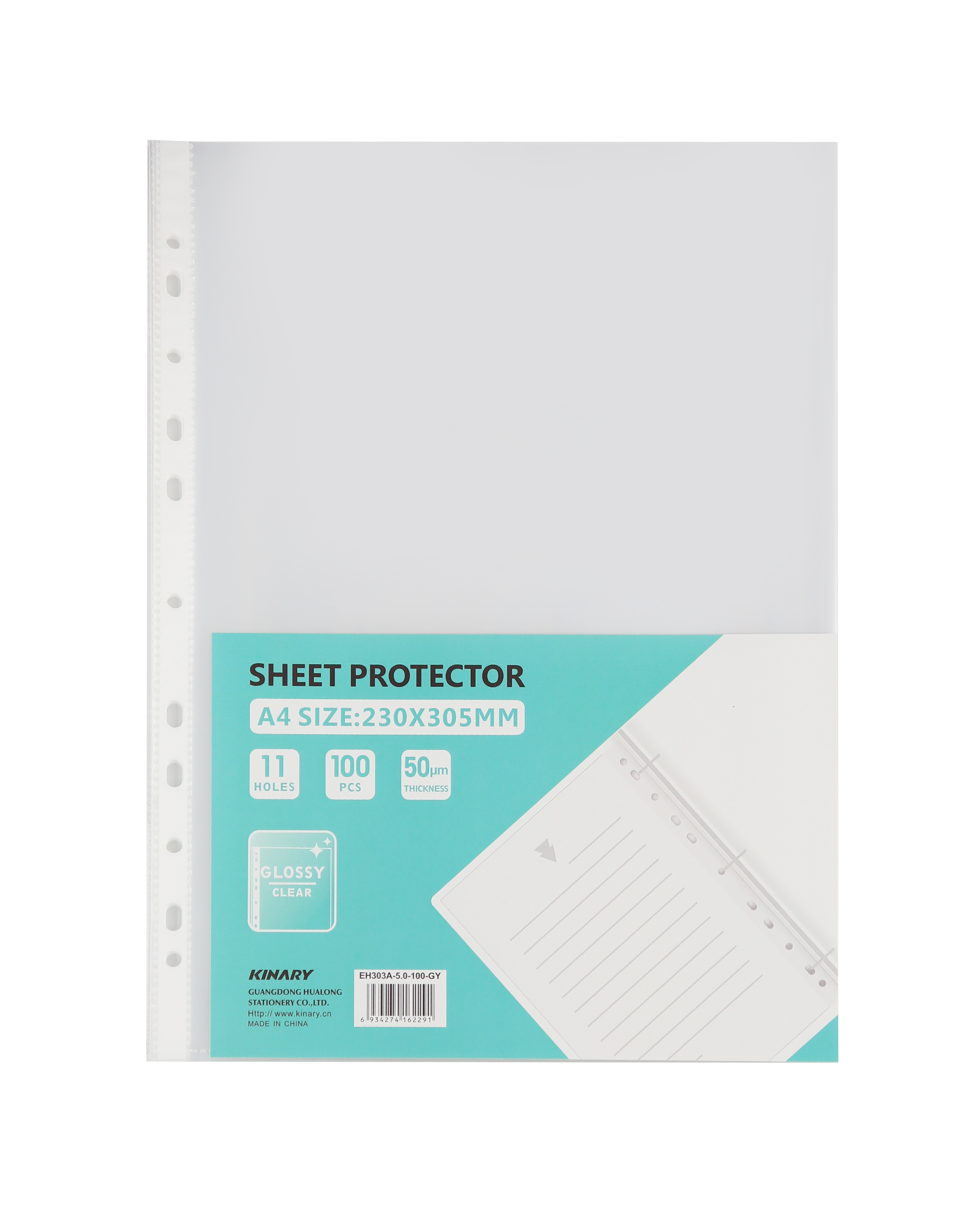
In today's fast-paced academic and professional environments, the tools we use to organize and present information can significantly impact our success. Clear books have emerged as an essential organizational tool that bridges the gap between traditional filing systems and modern presentation needs. These transparent display solutions offer unique advantages for both educational settings and professional workplaces, providing a clean, accessible way to store and showcase important documents, projects, and reference materials.
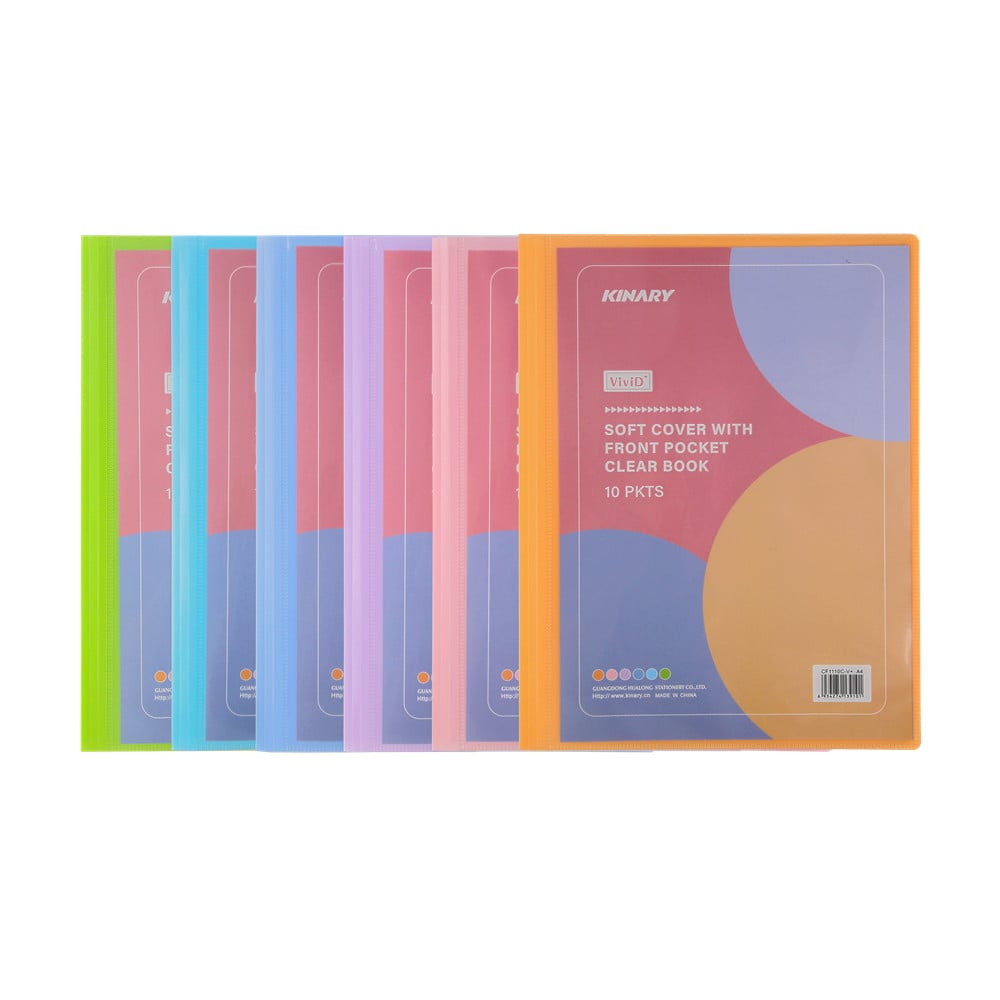
The versatility of clear books makes them particularly valuable across diverse academic disciplines and professional sectors. From architecture firms displaying blueprints to medical students organizing anatomical charts, these transparent storage solutions have proven their worth in countless applications. Their ability to protect documents while maintaining full visibility creates an optimal balance between preservation and accessibility that traditional binders and folders simply cannot match.
Understanding the specific benefits and applications of clear books for different user groups is crucial for making informed decisions about organizational tools. Whether you're a graduate student managing research materials or a business professional preparing client presentations, the right clear book system can streamline your workflow and enhance your professional image. This comprehensive analysis explores how these innovative storage solutions meet the unique demands of both academic and professional environments.
Academic Applications and Student Benefits
Research Organization and Documentation
Students engaged in extensive research projects find clear books invaluable for maintaining organized documentation systems. The transparent nature allows for quick visual scanning of contents without the need to remove materials, saving precious time during intensive study sessions. Graduate students working on thesis projects particularly benefit from this immediate visual access to their research materials, citations, and supporting documents.
The protective qualities of clear books ensure that important research documents remain pristine throughout extended academic programs. Original source materials, printed journal articles, and handwritten notes are shielded from wear and tear while remaining easily accessible. This protection is especially valuable for archival research materials that cannot be easily replaced or for original documents that require preservation for academic integrity purposes.
Laboratory notebooks and field research documentation also benefit significantly from clear book organization. Science students can protect their experimental observations while maintaining the ability to reference previous work during ongoing experiments. The clear format allows instructors and research supervisors to easily review student work without handling delicate documentation, maintaining the integrity of research records.
Presentation and Portfolio Development
Art and design students rely heavily on clear books for portfolio presentation and development. The transparent pages provide an ideal showcase for artwork, technical drawings, and design concepts while protecting these valuable pieces from damage. Unlike traditional portfolios that may obscure details through reflective covers or poor lighting, clear books maintain the visual integrity of displayed work.
Architecture and engineering students use clear books to organize technical drawings and project documentation in sequential order. The ability to view multiple pages simultaneously through the transparent format aids in understanding complex design progressions and relationships between different project elements. This organizational method proves particularly valuable during design reviews and project presentations to faculty and peers.
Business and marketing students benefit from using clear books to develop professional presentation materials and case study documentation. The clean, organized appearance enhances the professional presentation of academic work while allowing for easy updates and modifications as projects evolve. This organizational approach often translates directly into valuable professional skills that benefit students in their future careers.
Professional Workplace Applications
Client Presentation and Documentation
Professional service providers across various industries utilize clear books to create impressive client presentation materials that demonstrate attention to detail and organizational excellence. Legal professionals organize case documentation and evidence in clear books to facilitate easy reference during meetings and court proceedings. The transparent format allows attorneys to quickly locate specific documents while maintaining a professional appearance that instills confidence in clients.
Consulting firms and business advisory services use clear books to present comprehensive project documentation and deliverables to clients. The organized presentation format enhances the perceived value of services while providing clients with easily navigable reference materials. This professional presentation style often differentiates service providers in competitive markets where presentation quality can influence client retention and referral rates.
Real estate professionals benefit from clear books when presenting property portfolios and documentation to prospective buyers. High-quality property photographs, floor plans, and supporting documentation maintain their visual appeal when protected in clear formats. The organized presentation creates a premium impression that aligns with high-value property transactions and demonstrates professional competence to discerning clients.
Internal Documentation and Training Materials
Corporate training departments utilize clear books to organize and distribute training materials that require frequent reference and updates. The transparent format allows trainers to quickly locate specific modules while maintaining the professional appearance expected in corporate environments. Training materials protected in clear books resist wear from frequent handling while remaining accessible for group training sessions and individual reference.
Quality assurance and compliance departments rely on clear books to organize regulatory documentation and audit materials. The immediate visual access to contents facilitates rapid compliance reviews while protecting critical documentation from damage during frequent inspections. This organizational method proves particularly valuable in regulated industries where document integrity and accessibility are paramount for successful audits.
Human resources departments use clear books to organize employee handbook materials and policy documentation. The professional appearance enhances the company image while ensuring that important policy information remains accessible and protected. New employee orientation processes benefit from the organized presentation format that clear books provide for essential company documentation.
Material Quality and Durability Considerations
Construction and Longevity Factors
The construction quality of clear books directly impacts their suitability for long-term academic and professional use. High-grade polypropylene materials resist cracking and yellowing over time, ensuring that transparent properties remain intact throughout extended use periods. Students and professionals investing in quality clear books benefit from durable construction that withstands frequent handling and transportation between locations.
Binding mechanisms and reinforcement features significantly influence the operational lifespan of clear books in demanding environments. Professional-grade clear books incorporate reinforced spines and high-quality binding systems that maintain structural integrity despite frequent opening and closing. This durability proves essential for professionals who rely on these organizational tools for client-facing activities where appearance and functionality cannot be compromised.
Environmental resistance factors, including temperature variations and humidity exposure, affect the performance of clear books in different settings. Laboratory environments and field work applications require clear books with enhanced resistance to environmental stressors that could compromise document protection. Understanding these durability factors helps users select appropriate clear books for their specific operational requirements.
Size and Capacity Options
The variety of size options available in clear books accommodates diverse documentation needs across academic and professional applications. Standard letter-size clear books serve most general documentation purposes, while larger formats accommodate architectural drawings, engineering schematics, and artistic portfolios. Selecting appropriate sizing ensures optimal document protection without unnecessary bulk or wasted space.
Capacity considerations affect the practicality of clear books for different user groups and applications. Students working with extensive research materials require higher-capacity options, while professionals focused on presentation materials may prefer smaller, more portable formats. Understanding capacity limitations helps prevent overloading that could compromise binding integrity or document accessibility.
Modular systems and expandable clear book options provide flexibility for growing documentation needs. Academic programs and professional projects often expand beyond initial scope, requiring organizational systems that can accommodate additional materials. Clear books with expansion capabilities offer long-term value by adapting to changing documentation requirements without requiring complete system replacement.
Comparative Analysis with Traditional Storage Methods
Advantages Over Standard Binders and Folders
Traditional three-ring binders, while widely used, lack the immediate visual access that clear books provide for document identification and retrieval. The opaque nature of standard binders necessitates opening and searching through contents to locate specific documents, creating inefficiencies in time-sensitive academic and professional situations. Clear books eliminate this search time by providing instant visual confirmation of contents location.
Standard file folders offer limited protection for valuable documents and provide no organizational structure for sequential materials. Clear books combine the protective qualities of rigid covers with the organizational benefits of bound systems, creating superior document preservation while maintaining accessibility. This combination proves particularly valuable for irreplaceable documents and materials requiring frequent reference.
The professional appearance of clear books surpasses traditional storage methods in client-facing and presentation situations. While manila folders and basic binders may appear institutional or temporary, clear books convey attention to detail and professional competence. This enhanced presentation quality often influences perceptions of work quality and organizational capabilities in competitive academic and professional environments.
Cost-Effectiveness and Long-Term Value
Initial investment costs for quality clear books typically exceed basic binder and folder options, but long-term value considerations often favor clear book systems. The durability and protective qualities of clear books reduce document replacement costs and extend the usable life of important materials. Students and professionals benefit from this long-term cost efficiency, particularly when managing valuable or irreplaceable documents.
Maintenance requirements for clear books generally involve minimal cleaning and occasional replacement of worn components. Traditional binder systems require frequent replacement of worn rings, covers, and dividers, creating ongoing maintenance costs that accumulate over time. Clear books maintain functionality and appearance with basic care, reducing total ownership costs for long-term users.
Productivity improvements resulting from enhanced organization and document accessibility create indirect cost benefits that justify clear book investments. Time savings from improved document retrieval and the professional advantages of superior presentation quality generate value that extends beyond direct cost comparisons. These productivity benefits prove particularly significant for professionals whose time has direct economic value.
Implementation Strategies for Different User Groups
Student-Specific Organization Systems
Undergraduate students benefit from implementing clear book systems that separate coursework by subject while maintaining chronological organization within each discipline. This approach facilitates efficient study habits and provides easy access to previous materials when building on foundational concepts. Color-coding systems can enhance organization by providing additional visual cues for rapid content identification.
Graduate students and researchers require more sophisticated organizational approaches that accommodate complex project structures and evolving research directions. Clear books dedicated to specific research themes or methodological approaches allow for flexible reorganization as projects develop. This organizational flexibility proves essential for thesis and dissertation projects that span multiple academic terms.
Professional students in fields such as law, medicine, and engineering benefit from clear book systems that mirror professional documentation standards. Early adoption of professional organizational practices prepares students for workplace expectations while enhancing academic performance through improved material accessibility. This preparation creates competitive advantages in professional school environments and future career applications.
Professional Implementation Guidelines
Small business owners and independent professionals can implement clear book systems gradually, beginning with client-facing materials that provide immediate presentation benefits. This approach demonstrates clear book value while managing implementation costs and learning curves. Successful initial applications often lead to expanded use across other business documentation needs.
Large organization implementations require coordination between departments to ensure consistent standards and maximum efficiency gains. Training programs help employees understand optimal clear book utilization while establishing organizational guidelines that maintain professional appearance standards. Standardized approaches facilitate collaboration and document sharing across organizational boundaries.
Industry-specific implementation considerations address unique documentation requirements and regulatory compliance needs. Healthcare organizations must consider patient privacy requirements, while financial services focus on document security and audit trails. Understanding these industry-specific requirements ensures that clear book systems enhance rather than complicate compliance obligations.
FAQ
What makes clear books more suitable for professional environments than traditional binders
Clear books offer superior professional presentation quality through their transparent design that allows immediate visual access to contents without opening covers. This eliminates the search time associated with traditional binders while providing better document protection through rigid covers and secure binding systems. The clean, organized appearance enhances professional credibility in client-facing situations and demonstrates attention to detail that traditional storage methods cannot match.
How do clear books benefit students with extensive research projects
Students managing extensive research benefit from clear books through improved organization that allows visual scanning of contents for rapid document retrieval. The protective qualities preserve original research materials and irreplaceable documents while maintaining easy access for ongoing reference. Sequential organization capabilities help students track research progression and maintain logical document relationships that facilitate analysis and writing processes.
Are clear books cost-effective compared to traditional filing systems
While clear books require higher initial investment than basic binders and folders, their durability and protective qualities provide superior long-term value through reduced document replacement costs and extended usable life. Productivity improvements from enhanced organization and professional presentation benefits create indirect cost savings that often justify the initial investment. Maintenance costs remain minimal compared to traditional binder systems that require frequent component replacement.
What size and capacity options work best for different applications
Standard letter-size clear books serve most general academic and professional documentation needs, while larger formats accommodate architectural drawings, engineering schematics, and artistic portfolios. Capacity selection should match intended use patterns, with high-capacity options suitable for extensive research materials and smaller formats ideal for presentation-focused applications. Modular and expandable systems provide flexibility for growing documentation needs without requiring complete replacement.
