 EN
EN

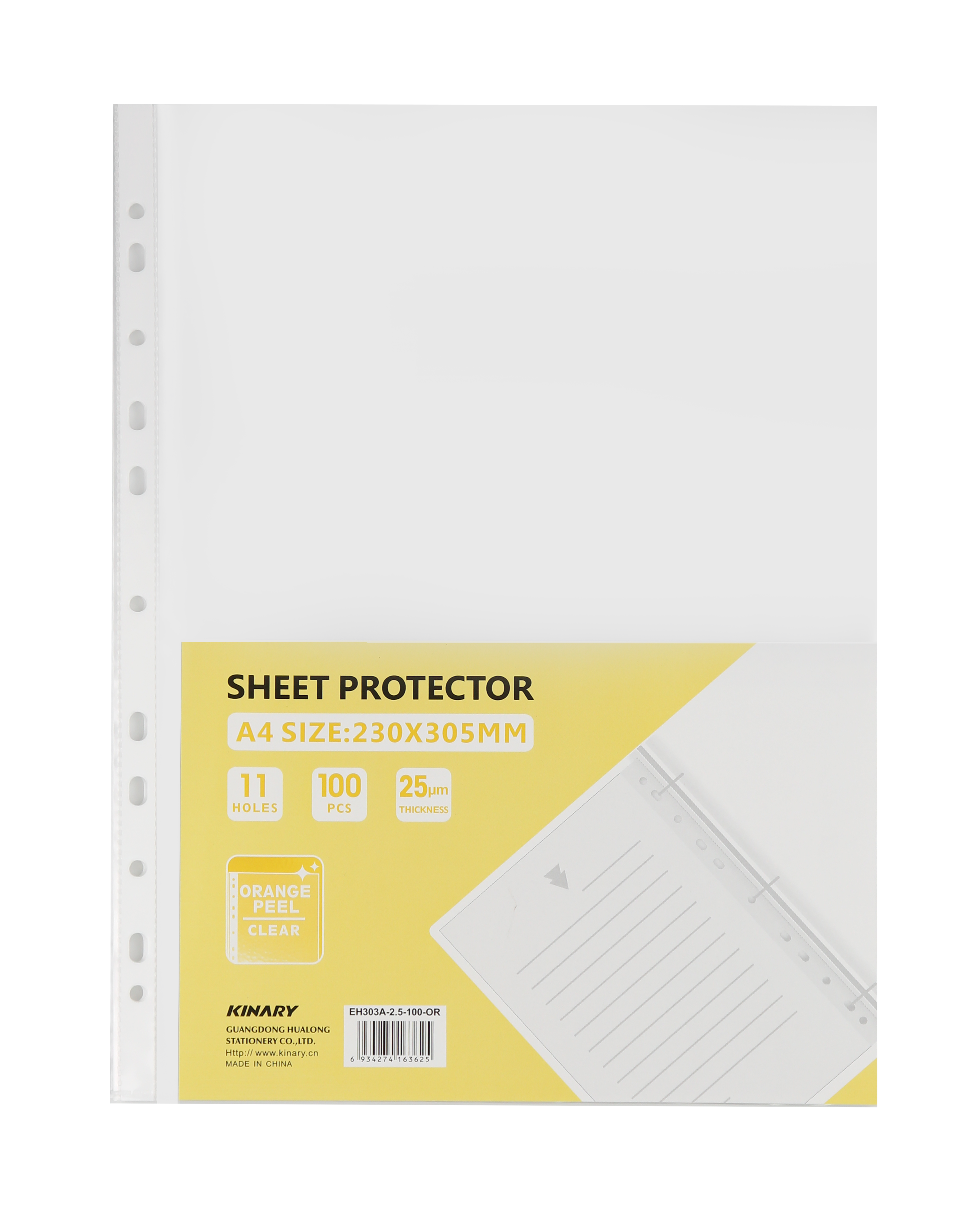
Modern offices face unprecedented challenges in managing documents, records, and information flow efficiently. Professional filing systems have emerged as the cornerstone of organizational productivity, transforming chaotic workspaces into streamlined environments where every document has its designated place. The implementation of comprehensive filing systems directly impacts employee productivity, regulatory compliance, and overall business operations across industries ranging from healthcare to legal services.

Organizations that prioritize structured document management witness significant improvements in operational efficiency, reduced time wastage, and enhanced collaboration among team members. Professional filing systems encompass both physical and digital components, creating a hybrid approach that accommodates various document types and accessibility requirements. The strategic implementation of these systems requires careful planning, employee training, and ongoing maintenance to ensure sustained benefits.
Understanding Professional Filing Systems Architecture
Core Components of Effective Filing Systems
Professional filing systems consist of multiple interconnected elements that work together to create a comprehensive document management ecosystem. The physical infrastructure includes specialized cabinets, folders, dividers, and labeling mechanisms designed to withstand heavy usage while maintaining document integrity. High-quality filing systems incorporate security features such as locking mechanisms, fireproof materials, and controlled access protocols to protect sensitive information.
Digital integration capabilities have become essential components of modern filing systems, allowing seamless transition between physical and electronic document management. Advanced filing systems feature barcode scanning, RFID tracking, and integration with document management software to create a unified information architecture. These technological enhancements enable real-time tracking of document locations, automated retrieval processes, and comprehensive audit trails for regulatory compliance purposes.
Classification and Categorization Methodologies
Effective filing systems rely on sophisticated classification schemes that reflect organizational workflows and information hierarchies. Alphabetical, numerical, chronological, and subject-based classification methods can be combined to create multi-dimensional filing structures that accommodate diverse document types. The selection of appropriate classification methodologies depends on factors such as document volume, retrieval frequency, and regulatory requirements specific to each industry.
Color-coding systems enhance visual identification and reduce retrieval time by providing immediate visual cues about document categories or priority levels. Professional filing systems often incorporate standardized color schemes that align with industry best practices, ensuring consistency across different departments and locations. The implementation of consistent classification standards throughout the organization prevents confusion and maintains system integrity over time.
Implementation Strategies for Maximum Efficiency
Assessment and Planning Phase
Successful implementation of professional filing systems begins with comprehensive assessment of existing document management practices and identification of specific organizational needs. This evaluation process involves analyzing current document volumes, storage requirements, retrieval patterns, and compliance obligations to determine optimal system configurations. Organizations must consider factors such as growth projections, space constraints, and budget limitations when designing their filing infrastructure.
The planning phase requires collaboration between IT departments, administrative personnel, and end-users to ensure that selected filing systems align with actual workflow requirements. Detailed mapping of document lifecycles, from creation through disposal, helps identify critical control points and optimization opportunities. This comprehensive approach ensures that implemented systems deliver measurable improvements in efficiency and productivity.
Training and Change Management
Employee adoption represents a critical success factor in filing systems implementation, requiring structured training programs and change management initiatives. Comprehensive training curricula should cover system operation procedures, filing protocols, security requirements, and troubleshooting techniques. Hands-on training sessions combined with written documentation ensure that employees develop proficiency in system utilization and maintain consistency in filing practices.
Change management strategies must address potential resistance to new filing procedures and demonstrate clear benefits of professional systems over existing practices. Regular feedback sessions and performance monitoring help identify areas requiring additional support or system modifications. Organizations that invest in thorough training and change management typically achieve higher adoption rates and realize greater returns on their filing system investments.
Technology Integration and Digital Transformation
Hybrid Filing Solutions
Contemporary filing systems increasingly emphasize hybrid approaches that combine physical storage with digital capabilities to maximize accessibility and efficiency. These integrated solutions enable organizations to maintain physical documents when required while leveraging digital tools for enhanced searchability and remote access. Cloud-based filing systems provide scalable storage solutions that grow with organizational needs while maintaining robust security protocols.
Advanced scanning and digitization technologies allow seamless conversion of physical documents into searchable digital formats without compromising document integrity. Modern filing systems incorporate optical character recognition (OCR) capabilities that enable full-text search functionality across entire document repositories. This technological integration significantly reduces document retrieval time and enables simultaneous access by multiple users without physical document handling.
Security and Compliance Features
Professional filing systems must incorporate comprehensive security measures to protect sensitive information and ensure compliance with industry regulations. Multi-level access controls prevent unauthorized document access while maintaining audit trails that track all system interactions. Encryption technologies protect digital documents during storage and transmission, while physical security features safeguard printed materials from theft or unauthorized access.
Automated backup and disaster recovery capabilities ensure business continuity in the event of system failures or natural disasters. Professional filing systems include redundant storage mechanisms and off-site backup solutions that protect critical documents from loss or corruption. These security features provide peace of mind while enabling organizations to meet stringent regulatory requirements across various industries.
Performance Optimization and Maintenance
Monitoring and Analytics
Effective management of filing systems requires ongoing monitoring of system performance, user behavior, and document utilization patterns. Advanced analytics tools provide insights into retrieval frequencies, storage utilization, and system bottlenecks that may impact efficiency. Regular performance assessments help identify optimization opportunities and guide decisions regarding system upgrades or modifications.
Key performance indicators (KPIs) for filing systems include document retrieval time, storage capacity utilization, user satisfaction scores, and compliance audit results. These metrics provide objective measures of system effectiveness and support data-driven decision-making regarding system improvements. Organizations that actively monitor filing system performance typically achieve better outcomes and higher user satisfaction rates.
Maintenance and Updates
Regular maintenance schedules ensure optimal performance and longevity of professional filing systems throughout their operational lifecycle. Preventive maintenance activities include cleaning of physical components, software updates, security patches, and capacity management procedures. Proactive maintenance prevents system failures and minimizes disruptions to business operations while extending equipment lifespan.
System updates and upgrades should be planned and executed systematically to incorporate new features and security enhancements without disrupting ongoing operations. Professional filing systems require periodic review and adjustment to accommodate changing business requirements, regulatory updates, and technological advances. Organizations that maintain current filing systems benefit from improved functionality and reduced security vulnerabilities.
Cost-Benefit Analysis and ROI Considerations
Investment Evaluation
The financial justification for professional filing systems requires comprehensive analysis of implementation costs versus projected benefits over the system lifecycle. Initial investment considerations include hardware procurement, software licensing, installation services, and employee training expenses. Long-term operational costs encompass maintenance contracts, system updates, and ongoing support requirements that affect total cost of ownership.
Quantifiable benefits of professional filing systems include reduced document retrieval time, improved employee productivity, decreased storage space requirements, and enhanced regulatory compliance. These efficiency gains translate into measurable cost savings through reduced labor expenses, minimized compliance penalties, and improved operational throughput. Organizations typically recover filing system investments within 12-24 months through realized efficiency improvements.
Return on Investment Metrics
Professional filing systems generate returns through multiple channels including time savings, space optimization, reduced document loss, and improved customer service capabilities. Time savings alone can justify filing system investments in organizations where employees spend significant portions of their workday searching for documents. Space optimization benefits become particularly valuable in high-cost real estate markets where efficient storage translates directly into reduced facility expenses.
Risk reduction represents an often-overlooked benefit category that includes decreased liability exposure from lost documents, improved disaster recovery capabilities, and enhanced data security measures. These risk mitigation benefits become especially valuable in regulated industries where compliance failures can result in significant financial penalties. Professional filing systems provide insurance against these risks while enabling organizations to demonstrate due diligence in document management practices.
Industry-Specific Applications
Healthcare and Medical Records
Healthcare organizations face unique challenges in document management due to strict privacy regulations, high document volumes, and critical access requirements. Professional filing systems in healthcare settings must accommodate patient records, insurance documentation, regulatory submissions, and administrative files while maintaining HIPAA compliance. Specialized medical filing systems incorporate features such as patient identification verification, secured access controls, and automated retention scheduling.
Electronic health record (EHR) integration capabilities enable seamless coordination between physical and digital patient information, improving care coordination and reducing medical errors. Advanced filing systems support clinical workflows by providing rapid access to patient histories, test results, and treatment plans during critical care situations. These capabilities directly impact patient outcomes while supporting healthcare organizations in meeting quality improvement objectives.
Legal and Professional Services
Legal practices require sophisticated filing systems that accommodate case files, contract documents, regulatory filings, and client communications while maintaining strict confidentiality standards. Professional legal filing systems incorporate features such as matter-based organization, deadline tracking, and conflict checking capabilities. These systems support attorney productivity by providing rapid access to case precedents, document templates, and client histories.
Litigation support capabilities represent critical requirements for legal filing systems, including document discovery tools, chain of custody tracking, and evidence management features. Advanced systems support e-discovery processes by maintaining searchable indexes of all documents and enabling rapid response to discovery requests. These capabilities reduce litigation costs while ensuring compliance with court requirements and professional standards.
FAQ
What are the key factors to consider when selecting professional filing systems for my organization
Key selection factors include document volume projections, security requirements, compliance obligations, integration needs with existing systems, and budget constraints. Organizations should evaluate vendor reputation, system scalability, training requirements, and ongoing support availability. Consider conducting pilot implementations to test system performance and user acceptance before full deployment.
How long does it typically take to implement a comprehensive filing system
Implementation timelines vary based on organization size, system complexity, and integration requirements, typically ranging from 3-12 months for complete deployment. Factors affecting timeline include data migration requirements, employee training schedules, and custom configuration needs. Phased implementation approaches often prove more manageable and allow for adjustments based on early deployment experiences.
What ongoing maintenance is required for professional filing systems
Regular maintenance includes software updates, security patches, hardware cleaning, and capacity management activities. Professional filing systems require periodic review of filing procedures, user access rights, and system performance metrics. Annual system audits help identify optimization opportunities and ensure continued compliance with organizational policies and regulatory requirements.
How do filing systems integrate with existing document management software
Modern filing systems offer API integration capabilities that enable seamless connectivity with popular document management platforms, CRM systems, and enterprise resource planning (ERP) solutions. Integration typically involves data synchronization, user authentication coordination, and workflow automation features. Professional installation services ensure proper configuration and testing of all integration points before system activation.
Table of Contents
- Understanding Professional Filing Systems Architecture
- Implementation Strategies for Maximum Efficiency
- Technology Integration and Digital Transformation
- Performance Optimization and Maintenance
- Cost-Benefit Analysis and ROI Considerations
- Industry-Specific Applications
-
FAQ
- What are the key factors to consider when selecting professional filing systems for my organization
- How long does it typically take to implement a comprehensive filing system
- What ongoing maintenance is required for professional filing systems
- How do filing systems integrate with existing document management software
