EN
EN

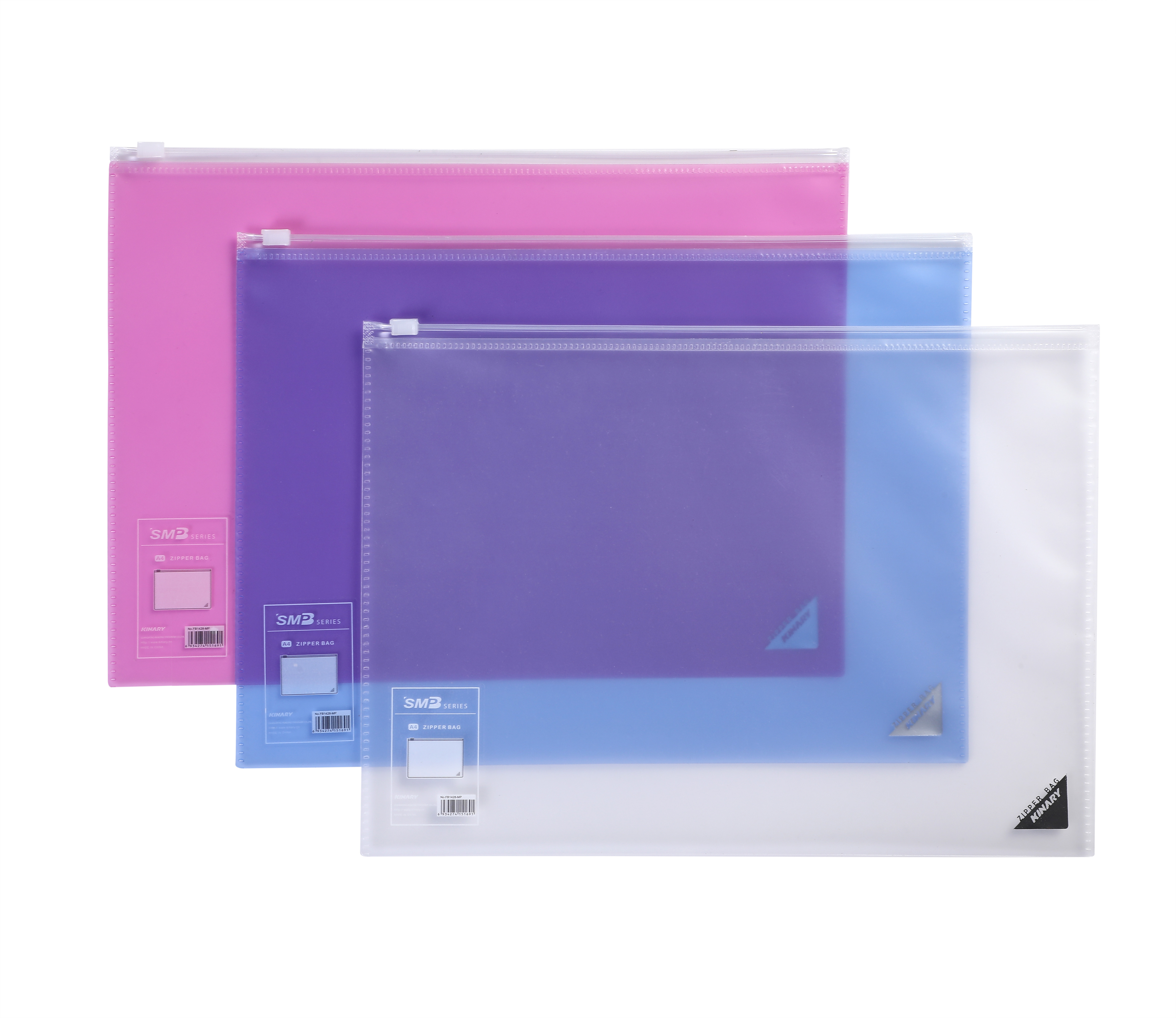
A display book serves as an essential organizational tool for professionals across various industries, providing an elegant solution for presenting documents, portfolios, and important materials. These versatile presentation folders protect valuable content while ensuring easy access and professional appearance during meetings, presentations, and client interactions. Understanding proper care and maintenance techniques will significantly extend the lifespan of your display book while preserving its professional appearance and functionality.
Proper maintenance of presentation folders requires attention to both daily handling practices and long-term storage considerations. The materials used in manufacturing these organizational tools vary widely, from basic plastic constructions to premium leather-bound versions, each requiring specific care approaches. Regular maintenance not only preserves the aesthetic appeal but also ensures the mechanical components function smoothly over extended periods of use.
Understanding Display Book Construction and Materials
Common Material Types and Their Properties
Most display books feature construction from polypropylene, PVC, or leather materials, each offering distinct advantages and requiring specific maintenance approaches. Polypropylene versions provide excellent chemical resistance and durability while remaining lightweight and cost-effective. These materials resist most common stains and can withstand regular cleaning without degradation, making them ideal for frequent use in professional environments.
PVC construction offers superior clarity for viewing documents through protective sleeves while providing excellent flexibility and tear resistance. However, PVC materials require gentler cleaning methods to prevent clouding or surface damage. Premium leather display books demand the most careful maintenance but offer unmatched professional appearance and longevity when properly cared for.
Identifying Quality Indicators
High-quality presentation folders typically feature reinforced binding mechanisms, smooth-operating ring systems, and durable cover materials that resist wear and tear. The spine construction should provide adequate support without cracking under normal use, while pocket sleeves should maintain their shape and clarity over time. Understanding these quality indicators helps determine appropriate maintenance strategies for different display book types.
Professional-grade versions often incorporate anti-static properties in their sleeve materials, preventing dust accumulation and improving document visibility. The binding mechanisms should operate smoothly without catching or jamming, indicating proper manufacturing tolerances and quality control. These features directly impact maintenance requirements and longevity expectations.
Daily Handling and Usage Best Practices
Proper Loading and Document Insertion Techniques
Correct document insertion prevents damage to both the display book and its contents while ensuring optimal presentation quality. Always insert documents slowly and carefully, ensuring proper alignment within the protective sleeves. Avoid forcing oversized materials into standard sleeves, as this can cause stretching, tearing, or permanent deformation of the pocket materials.
When loading multiple documents, distribute weight evenly across all available sleeves to prevent strain on the binding mechanism. Heavy documents should be positioned near the spine for better weight distribution, while lighter materials can occupy outer positions. This loading strategy reduces stress on ring mechanisms and prevents premature wear of binding components.
Safe Transportation and Storage Methods
Transport your display book in protective cases or sleeves whenever possible to prevent surface scratches and edge damage during travel. Avoid placing heavy objects on top of the folder during transport, as this can cause permanent deformation of covers and internal components. When carrying multiple folders, separate them with protective materials to prevent surface abrasion.
Store display books vertically when possible, similar to books on a shelf, to prevent sagging and maintain proper spine alignment. Horizontal storage is acceptable for short periods but should include support under the spine to prevent deformation. Avoid storing folders in areas with extreme temperatures or humidity levels, as these conditions can affect material properties and document integrity.
Cleaning and Maintenance Procedures
Surface Cleaning Techniques
Regular surface cleaning prevents dirt accumulation and maintains professional appearance throughout the display book's service life. Use soft, lint-free cloths with appropriate cleaning solutions based on the cover material type. For plastic covers, mild soap solutions work effectively without causing damage, while leather surfaces require specialized leather cleaners and conditioners.
Clean protective sleeves carefully using appropriate cleaning agents that won't cause clouding or static buildup. Microfiber cloths excel at removing fingerprints and dust without scratching delicate surfaces. Always test cleaning solutions on inconspicuous areas before applying to visible surfaces to ensure compatibility and prevent unexpected reactions.
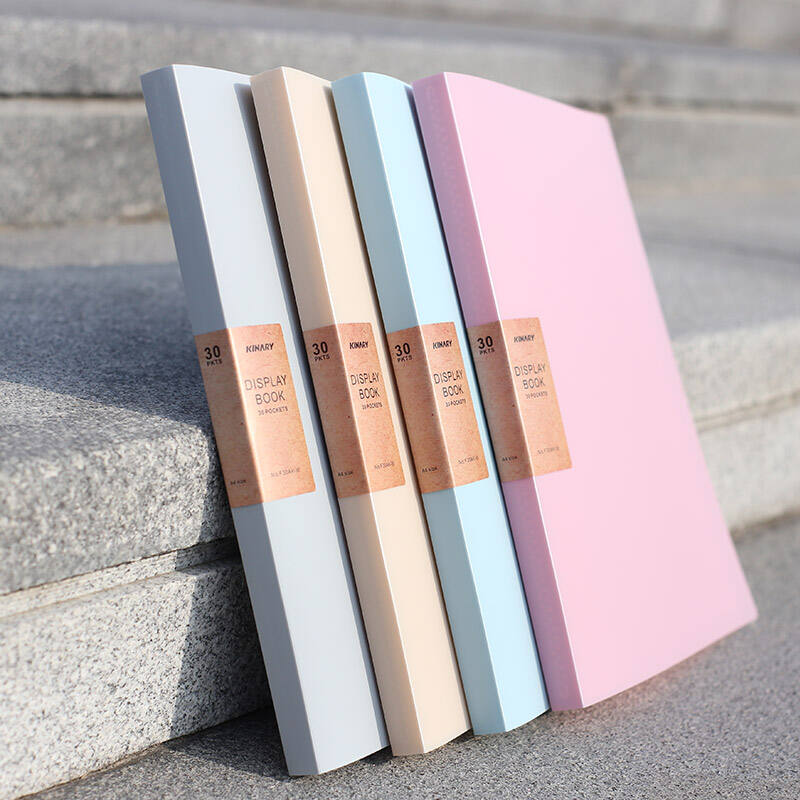
Deep Cleaning and Restoration Methods
Periodic deep cleaning removes accumulated dirt and oils that regular surface cleaning cannot address effectively. Disassemble removable components when possible to access all surfaces thoroughly. Ring mechanisms benefit from occasional lubrication with appropriate lubricants to maintain smooth operation and prevent corrosion.
For stubborn stains or heavily soiled areas, consider professional cleaning services specializing in office equipment and presentation materials. These services possess specialized equipment and cleaning agents that can restore heavily damaged display books without causing additional harm. Document the cleaning process and results to establish effective maintenance schedules for future reference.
Long-term Storage and Preservation
Environmental Control Requirements
Optimal storage environments maintain stable temperature and humidity levels to prevent material degradation and document damage. Temperature fluctuations cause expansion and contraction cycles that stress binding mechanisms and cover materials over time. Maintain storage areas between 65-75 degrees Fahrenheit with relative humidity levels between 30-50 percent for best results.
Protect stored display books from direct sunlight and artificial UV sources, which can cause fading, brittleness, and material breakdown. Use UV-filtering window films or store folders in enclosed cabinets to minimize light exposure. Air circulation helps prevent mold and mildew growth while maintaining consistent environmental conditions throughout storage areas.
Organizational Systems for Multiple Units
Develop systematic storage arrangements that facilitate easy access while preventing damage from handling and retrieval activities. Label storage locations clearly and maintain inventory records to minimize unnecessary searching and handling. Group similar display book types together to streamline maintenance schedules and cleaning procedures.
Implement rotation schedules for frequently used folders to ensure even wear patterns and identify maintenance needs early. Regular inspection during rotation activities helps detect developing problems before they become serious issues requiring extensive repairs or replacement. This proactive approach significantly extends service life while maintaining professional appearance standards.
Troubleshooting Common Issues
Binding Mechanism Problems
Ring binding systems occasionally develop alignment issues or operational difficulties that affect document insertion and removal. These problems often result from debris accumulation, improper loading techniques, or normal wear patterns. Regular cleaning and lubrication prevent most binding mechanism issues while extending operational life significantly.
When binding problems occur, carefully disassemble accessible components for thorough cleaning and inspection. Replace worn springs, damaged rings, or deteriorated mounting hardware as needed to restore proper function. Professional repair services can address complex binding issues that exceed basic maintenance capabilities, often at lower cost than complete replacement.
Cover and Sleeve Damage Repair
Minor surface scratches and scuffs often respond well to appropriate polishing compounds and restoration techniques specific to the cover material type. Plastic surfaces benefit from automotive polishing compounds, while leather covers require specialized leather repair products and techniques. Test repair methods on inconspicuous areas before applying to visible surfaces.
Torn or damaged sleeves typically require complete replacement to maintain document protection and professional appearance. Source replacement sleeves from original manufacturers when possible to ensure proper fit and material compatibility. Generic replacement parts may not provide optimal performance or longevity compared to original components.
Professional Maintenance Services
When to Seek Professional Help
Complex repairs, extensive damage, or valuable display books often warrant professional maintenance services to ensure proper restoration and continued functionality. Professional services possess specialized tools, materials, and expertise that exceed typical user capabilities. Cost-benefit analysis helps determine when professional services provide better value than replacement options.
High-value presentation folders or those with sentimental significance benefit from professional restoration services that can address damage while preserving original character and appearance. These services often provide warranties on their work, offering additional protection for valuable items. Establish relationships with reputable service providers before needing their services to ensure quick response when problems arise.
Preventive Maintenance Programs
Large organizations with extensive display book collections benefit from structured preventive maintenance programs that address issues before they become serious problems. These programs typically include regular inspection schedules, cleaning protocols, and replacement criteria that optimize service life while minimizing downtime and replacement costs.
Professional maintenance programs often include training components that help users implement proper handling and care techniques. This education reduces damage rates while improving overall satisfaction with display book performance. Regular program reviews ensure maintenance procedures remain current with evolving materials and construction techniques.
FAQ
How often should I clean my display book?
Clean your display book monthly with basic surface cleaning, or more frequently if used daily in demanding environments. Deep cleaning should occur quarterly or when visible soil accumulation affects appearance. Heavy-use situations may require weekly surface cleaning to maintain professional appearance and prevent permanent staining or damage to materials.
Can I use household cleaners on my presentation folder?
Avoid harsh household cleaners that may damage cover materials or protective sleeves. Use mild soap solutions for plastic covers and specialized leather cleaners for leather surfaces. Always test cleaning products on inconspicuous areas first to ensure compatibility. Ammonia-based cleaners can cause clouding in plastic sleeves and should be avoided completely.
What causes ring mechanisms to malfunction in display books?
Ring mechanism problems typically result from debris accumulation, overloading, or normal wear patterns over time. Dust, paper fragments, and oils from handling can interfere with smooth operation. Regular cleaning and proper loading techniques prevent most issues, while periodic lubrication maintains optimal performance throughout the service life.
How should I store my display book when not in use?
Store display books vertically in cool, dry locations away from direct sunlight and extreme temperatures. Ensure adequate support to prevent sagging or deformation. Remove all documents during long-term storage to prevent permanent indentations in protective sleeves. Use protective covers or cases for valuable folders during extended storage periods.