EN
EN

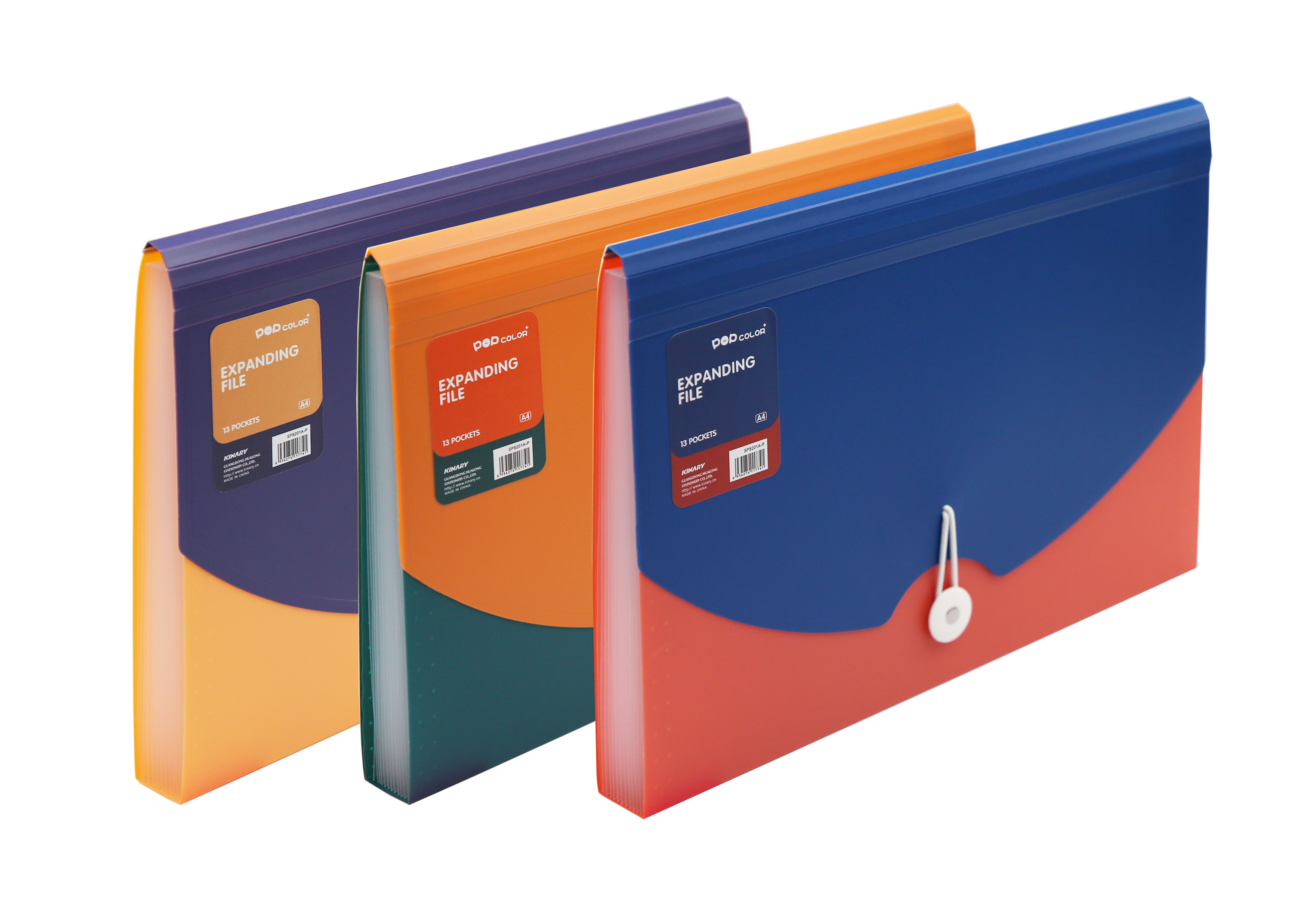
Essential Document Protection in the Modern Office
In today's digital age, physical documents still hold immense importance in both professional and personal spheres. File bags have emerged as a crucial tool in document preservation, offering a reliable solution for protecting valuable papers from various forms of damage. These specialized storage solutions combine durability with practicality, ensuring that important documents remain intact and accessible when needed.
As organizations and individuals continue to maintain physical records, the role of file bags becomes increasingly significant. From legal documents to certificates, contracts to archival materials, these protective enclosures serve as the first line of defense against environmental factors that could compromise document integrity. Understanding their protective capabilities and proper usage is essential for anyone serious about document preservation.
Understanding File Bag Protection Features
Material Composition and Durability
High-quality file bags are typically constructed from materials specifically designed to protect documents from environmental threats. The most effective file bags utilize acid-free, archival-grade materials that prevent yellowing and deterioration over time. These materials often include specialized polymers that resist moisture while maintaining document breathability, ensuring that papers don't become brittle or develop mold.
Modern file bags incorporate multiple layers of protection, with some featuring UV-resistant properties to prevent document fading. The thickness and quality of materials used directly correlate to the level of protection provided, with premium file bags offering enhanced tear resistance and durability for long-term storage solutions.
Protection Against Environmental Factors
File bags excel in protecting documents from various environmental challenges. They create an effective barrier against dust, dirt, and air pollutants that can gradually degrade paper quality. The sealed edges and secure closures of well-designed file bags prevent moisture infiltration, which is particularly crucial in humid environments where document damage is more likely to occur.
Temperature fluctuations can also affect document integrity, and quality file bags help maintain a more stable environment for stored papers. This protection extends to light exposure, with many file bags incorporating features that minimize UV damage, helping preserve document colors and prevent ink fading.
Practical Applications and Usage Scenarios
Professional Document Storage
In professional settings, file bags serve multiple purposes across various departments. Legal firms utilize them to protect critical case documents and contracts, while human resources departments rely on file bags to preserve employee records and important paperwork. The organized storage these bags provide ensures quick document retrieval while maintaining professional presentation standards.
Financial institutions particularly benefit from using file bags to protect sensitive financial records and client documentation. The secure storage solution helps maintain compliance with document retention regulations while protecting confidential information from environmental damage and unauthorized access.
Academic and Research Applications
Educational institutions and research facilities frequently use file bags to preserve valuable research papers, academic records, and historical documents. Libraries and archives depend on these protective enclosures to maintain the integrity of rare documents and manuscripts, ensuring their preservation for future generations of scholars and researchers.
Student work and academic portfolios also benefit from the protection offered by file bags, especially during transportation between home and school. The durable nature of quality file bags helps prevent damage from daily handling while maintaining the professional appearance of academic materials.
Best Practices for Document Protection
Proper Storage Techniques
Maximizing the protective benefits of file bags requires proper storage techniques. Documents should be organized and stored flat to prevent creasing or folding damage. Avoiding overcrowding within file bags ensures adequate air circulation and prevents unnecessary stress on stored materials. Regular inspection of stored documents helps identify potential issues before they become serious problems.
Climate-controlled environments enhance the protective capabilities of file bags. Maintaining consistent temperature and humidity levels in storage areas significantly extends document life span. Proper ventilation and air quality control further complement the protection provided by quality file bags.

Maintenance and Handling Guidelines
Regular maintenance of file bags ensures their continued effectiveness in protecting documents. Periodic cleaning of exterior surfaces prevents the accumulation of dust and debris that could eventually affect stored materials. Checking seals and closures helps maintain the protective barrier against environmental factors.
Proper handling techniques when accessing stored documents prevent unnecessary wear on both the file bags and their contents. Using designated handling areas and clean, dry hands when working with protected documents maintains their professional appearance and extends their useful life.
Frequently Asked Questions
How long do file bags maintain their protective properties?
Quality file bags typically maintain their protective properties for 5-10 years under normal use and storage conditions. However, factors such as frequent handling, exposure to extreme conditions, and storage environment can affect their longevity. Regular inspection and proper maintenance can help extend their effective lifespan.
Can file bags protect against water damage?
While file bags provide some resistance to moisture, they are not completely waterproof. They offer excellent protection against humidity and minor water exposure but may not prevent damage in cases of flooding or direct liquid contact. For maximum water protection, consider using waterproof document storage solutions.
What types of documents are best suited for file bag storage?
File bags are ideal for storing a wide range of documents, including legal papers, certificates, contracts, photographs, and archival materials. They are particularly well-suited for documents that require frequent access while maintaining protection against environmental factors and handling damage.
How should documents be prepared before placing them in file bags?
Before storing documents in file bags, ensure they are clean, dry, and free from dust or debris. Remove any metal fasteners or rubber bands that could cause damage over time. Organize documents in logical groups and avoid folding or creasing them unnecessarily. Consider using acid-free dividers for better organization within the file bags.