EN
EN

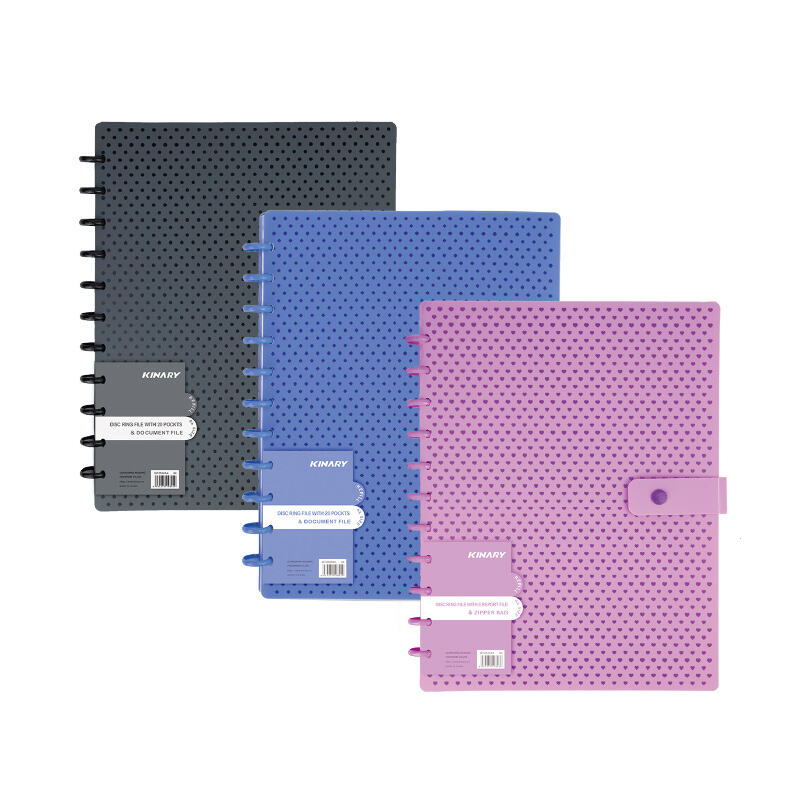
Document organization extends far beyond traditional office environments, with expanding files serving as versatile storage solutions across numerous industries and personal applications. These accordion-style folders have evolved from simple office supplies into essential organizational tools that adapt to diverse professional and domestic needs. Understanding where expanding files find their most practical applications reveals their remarkable flexibility and enduring value in our increasingly digital yet still document-dependent world.
Healthcare and Medical Applications
Patient Record Management in Clinics
Medical practices rely heavily on expanding files for organizing patient documentation, treatment histories, and insurance paperwork. Small to medium-sized clinics often prefer physical filing systems for immediate access to critical patient information during consultations. The multi-compartment design allows healthcare professionals to separate different types of medical records, lab results, and correspondence efficiently.
Private practice physicians particularly value expanding files for their portability when conducting home visits or working across multiple locations. The durability of quality expanding files ensures sensitive medical documents remain protected during transport while maintaining easy accessibility for quick reference during patient care.
Pharmaceutical Documentation Systems
Pharmaceutical companies and research facilities utilize expanding files extensively for clinical trial documentation, regulatory compliance materials, and drug development records. These organizations require meticulous document organization to meet stringent FDA and international regulatory standards, making expanding files an ideal solution for compartmentalizing different phases of drug development.
Research coordinators appreciate the ability to quickly access specific trial protocols, patient consent forms, and adverse event reports without disrupting the overall filing system. The expandable nature accommodates growing documentation requirements throughout lengthy clinical trial periods.
Educational Institution Usage
Student Portfolio Management
Educational institutions from elementary schools through universities employ expanding files for student portfolio creation and academic record keeping. Teachers use these organizational tools to maintain individual student work samples, assessment rubrics, and parent communication logs throughout academic years. The compartmentalized structure enables educators to track student progress across multiple subjects or competency areas.
Art and design programs particularly benefit from expanding files due to their ability to store various paper sizes and project materials safely. Students can organize sketches, research materials, and finished artwork in separate sections while maintaining chronological order for portfolio presentations.

Administrative and Compliance Documentation
School administrators rely on expanding files for managing accreditation materials, policy documentation, and regulatory compliance records. The education sector faces increasing documentation requirements for state and federal reporting, making efficient filing systems essential for smooth operations. Expanding files provide the flexibility needed to accommodate varying document volumes throughout reporting cycles.
Special education departments use expanding files extensively for maintaining Individualized Education Program documents, evaluation reports, and meeting minutes. The ability to quickly access specific student information during meetings or hearings makes these filing systems invaluable for compliance and advocacy purposes.
Legal and Professional Services
Case File Organization
Law firms and legal professionals depend on expanding files for case management, client documentation, and court filing organization. The legal profession generates substantial paperwork throughout case lifecycles, requiring systematic organization for efficient retrieval and presentation. Solo practitioners and small firms particularly value the cost-effectiveness and portability of expanding files compared to expensive filing cabinet systems.
Criminal defense attorneys often transport case files between offices, courthouses, and correctional facilities, making durable expanding files essential for protecting sensitive legal documents. The multi-section design allows separation of evidence materials, witness statements, and procedural documents for quick courtroom access.
Real Estate Transaction Management
Real estate professionals utilize expanding files throughout property transactions for organizing purchase agreements, inspection reports, financing documents, and closing materials. The typical real estate transaction involves numerous parties and extensive documentation, requiring systematic organization to prevent delays and ensure smooth closings.
Property managers use expanding files for tenant screening materials, lease agreements, maintenance requests, and inspection records. The ability to maintain separate sections for different properties or tenant matters streamlines property management operations and supports quick response to tenant needs.
Creative and Freelance Industries
Project-Based Documentation
Freelance professionals across creative industries rely on expanding files for project organization, client communications, and contract management. Graphic designers, writers, and consultants often work on multiple projects simultaneously, requiring efficient systems for maintaining project-specific materials. The portability of expanding files supports the mobile nature of freelance work.
Photography professionals use expanding files for organizing client contracts, model releases, location permits, and project specifications. Wedding photographers particularly value the ability to maintain comprehensive client files that travel easily between venues and meetings while protecting important documentation.
Arts and Crafts Organization
Artists and crafters employ expanding files for pattern storage, instruction organization, and project planning materials. Quilters, scrapbookers, and hobby enthusiasts appreciate the ability to categorize patterns, templates, and reference materials by project type or skill level. The flat storage design prevents creasing and damage to delicate patterns and papers.
Art teachers and workshop instructors use expanding files to organize lesson plans, technique demonstrations, and student examples. The visual accessibility of labeled sections helps instructors quickly locate specific materials during classes while maintaining organized storage between sessions.
Personal and Household Applications
Financial and Tax Document Storage
Households extensively use expanding files for personal financial organization, tax preparation, and important document storage. The annual tax filing process requires systematic organization of receipts, statements, and deduction documentation, making expanding files ideal for year-round preparation. Families appreciate the ability to separate different tax years or family member documents within single filing systems.
Small business owners operating from home offices rely on expanding files for expense tracking, receipt organization, and quarterly tax preparation materials. The mobility allows easy transport to accountant meetings while maintaining organized documentation throughout business operations.
Home Management and Maintenance
Homeowners utilize expanding files for warranty documentation, maintenance records, and home improvement project materials. The typical household accumulates substantial documentation related to appliances, systems, and contractor services, requiring organized storage for future reference. Property owners find expanding files particularly useful for organizing renovation permits, inspection reports, and contractor estimates.
Insurance documentation, property deeds, and important family papers benefit from the secure storage and easy accessibility provided by expanding files. Emergency preparedness plans often recommend maintaining important documents in portable, organized formats that expanding files naturally provide.
FAQ
What makes expanding files more suitable than traditional folders for certain applications
Expanding files offer superior organization capabilities through their multi-compartment design, allowing users to separate different document types within a single filing system. Unlike traditional folders, they accommodate varying document volumes without requiring additional storage containers, making them ideal for projects or cases with growing documentation needs. The self-contained structure eliminates the need for separate filing cabinets while providing immediate visual access to organized sections.
How do expanding files compare to digital document management for professional use
While digital systems offer searchability and remote access, expanding files provide immediate physical access without technology dependencies, making them valuable for courtroom presentations, client meetings, and field work. Many professionals use hybrid approaches, maintaining physical expanding files for active projects while archiving completed work digitally. The tangible nature of expanding files supports better spatial organization and reduces screen fatigue during document review processes.
What features should be prioritized when selecting expanding files for heavy-duty applications
Professional applications require expanding files with reinforced construction, durable closure mechanisms, and tear-resistant materials to withstand frequent handling and transport. Look for models with sturdy gussets, secure elastic bands or flap closures, and clear labeling systems for efficient organization. Consider size requirements, number of compartments needed, and whether portability or desktop storage is the primary concern for your specific application.
Can expanding files effectively replace filing cabinets in modern office environments
Expanding files can supplement or partially replace filing cabinets in offices with moderate documentation needs, particularly for active projects requiring frequent access. They excel in collaborative environments where multiple team members need quick access to shared project materials. However, high-volume document storage and long-term archiving may still require traditional filing systems, making expanding files most effective as complementary organizational tools rather than complete replacements.
Table of Contents
- Healthcare and Medical Applications
- Educational Institution Usage
- Legal and Professional Services
- Creative and Freelance Industries
- Personal and Household Applications
-
FAQ
- What makes expanding files more suitable than traditional folders for certain applications
- How do expanding files compare to digital document management for professional use
- What features should be prioritized when selecting expanding files for heavy-duty applications
- Can expanding files effectively replace filing cabinets in modern office environments