EN
EN

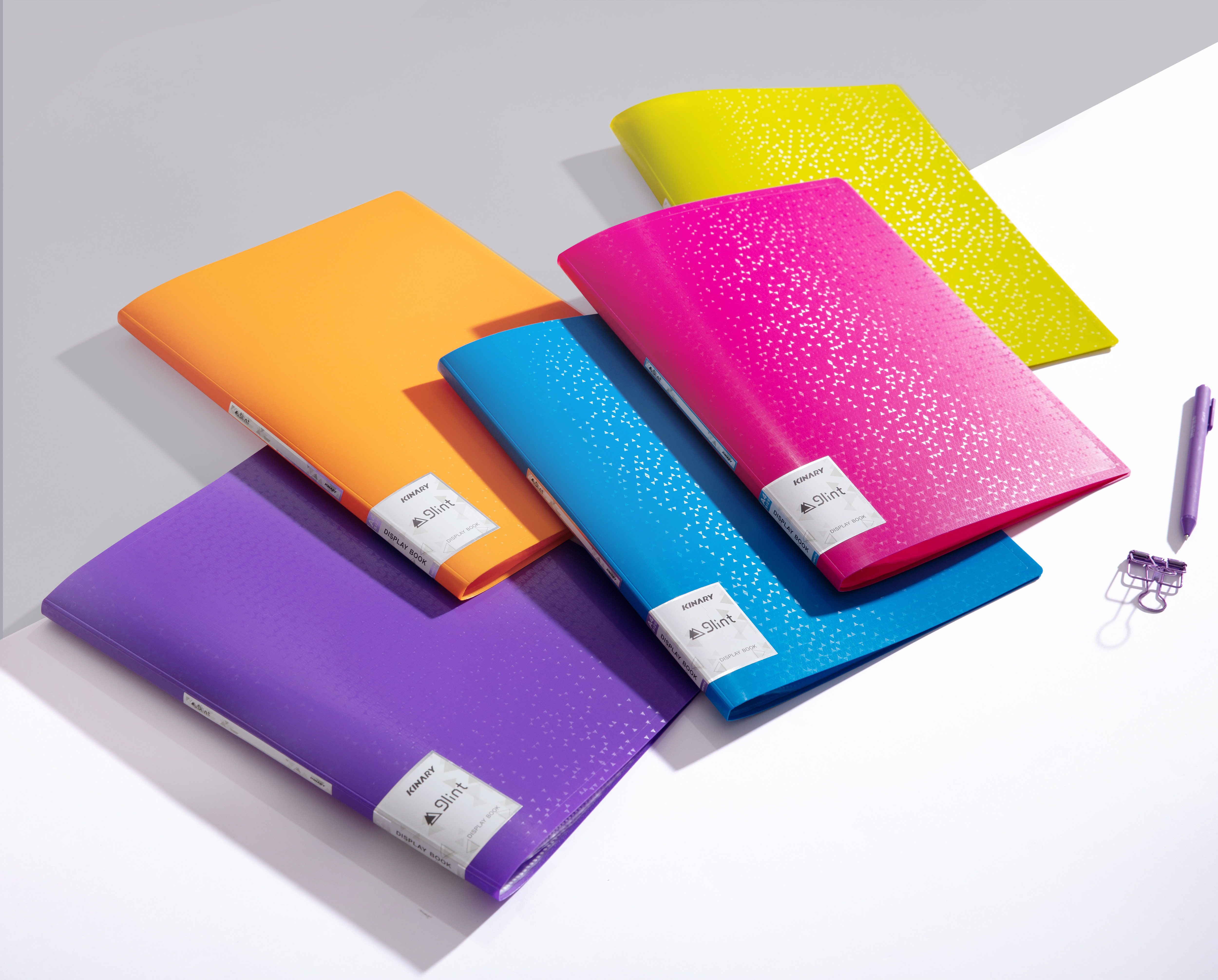
Document presentation plays a crucial role in professional communication, academic settings, and business operations. The way we organize, protect, and display important papers can significantly impact how information is perceived and accessed. Clear books have emerged as an essential tool for enhancing document visibility while maintaining organization and protection standards that modern professionals demand.
Understanding Clear Book Technology and Design
Transparency Features and Material Composition
The foundation of effective clear books lies in their transparent material construction, typically utilizing high-grade polypropylene or acetate films. These materials offer exceptional clarity while providing durability against frequent handling and environmental factors. The transparency allows immediate visual access to document contents without requiring physical opening, streamlining review processes and reducing handling wear on important papers.
Modern clear books incorporate advanced polymer technologies that resist yellowing, cracking, and cloudiness over extended periods. This material stability ensures that document visibility remains consistent throughout the product lifecycle. Professional-grade clear books often feature anti-static properties that prevent dust accumulation on surfaces, maintaining optimal viewing conditions for extended periods.
Structural Engineering for Document Protection
Clear books employ sophisticated binding mechanisms that balance accessibility with security. Ring binding systems, spiral configurations, and pocket-style holders each serve specific document management needs. The engineering behind these systems ensures that pages turn smoothly while maintaining document alignment and preventing accidental displacement or damage during regular use.
The protective aspects of clear books extend beyond mere containment, incorporating features like reinforced edges, sealed pockets, and moisture-resistant barriers. These design elements create comprehensive protection against environmental hazards while preserving the visual accessibility that makes clear books valuable for presentation purposes.
Professional Applications and Industry Benefits
Corporate Documentation and Compliance Management
In corporate environments, clear books serve as essential tools for compliance documentation, quality management systems, and regulatory reporting. The transparent format allows auditors, inspectors, and management personnel to quickly review critical documents without compromising their protective housing. This capability proves particularly valuable in industries with strict documentation requirements, such as healthcare, manufacturing, and financial services.
The organizational benefits extend to project management scenarios where multiple stakeholders need access to the same documents. Clear books enable simultaneous viewing and discussion of materials without the need for multiple copies or digital conversion processes. This approach maintains document integrity while facilitating collaborative work environments.
Educational and Training Applications
Educational institutions leverage clear books for curriculum materials, laboratory procedures, and student portfolios. The transparent format allows instructors to demonstrate document organization techniques while students can observe proper formatting and presentation standards. This visual learning approach enhances comprehension and retention of organizational principles that extend beyond academic settings.
Training departments in various industries utilize clear books for procedure manuals, safety protocols, and certification materials. The ability to view multiple pages simultaneously through transparent covers facilitates quick reference during hands-on training sessions, improving learning efficiency and reducing training time requirements.
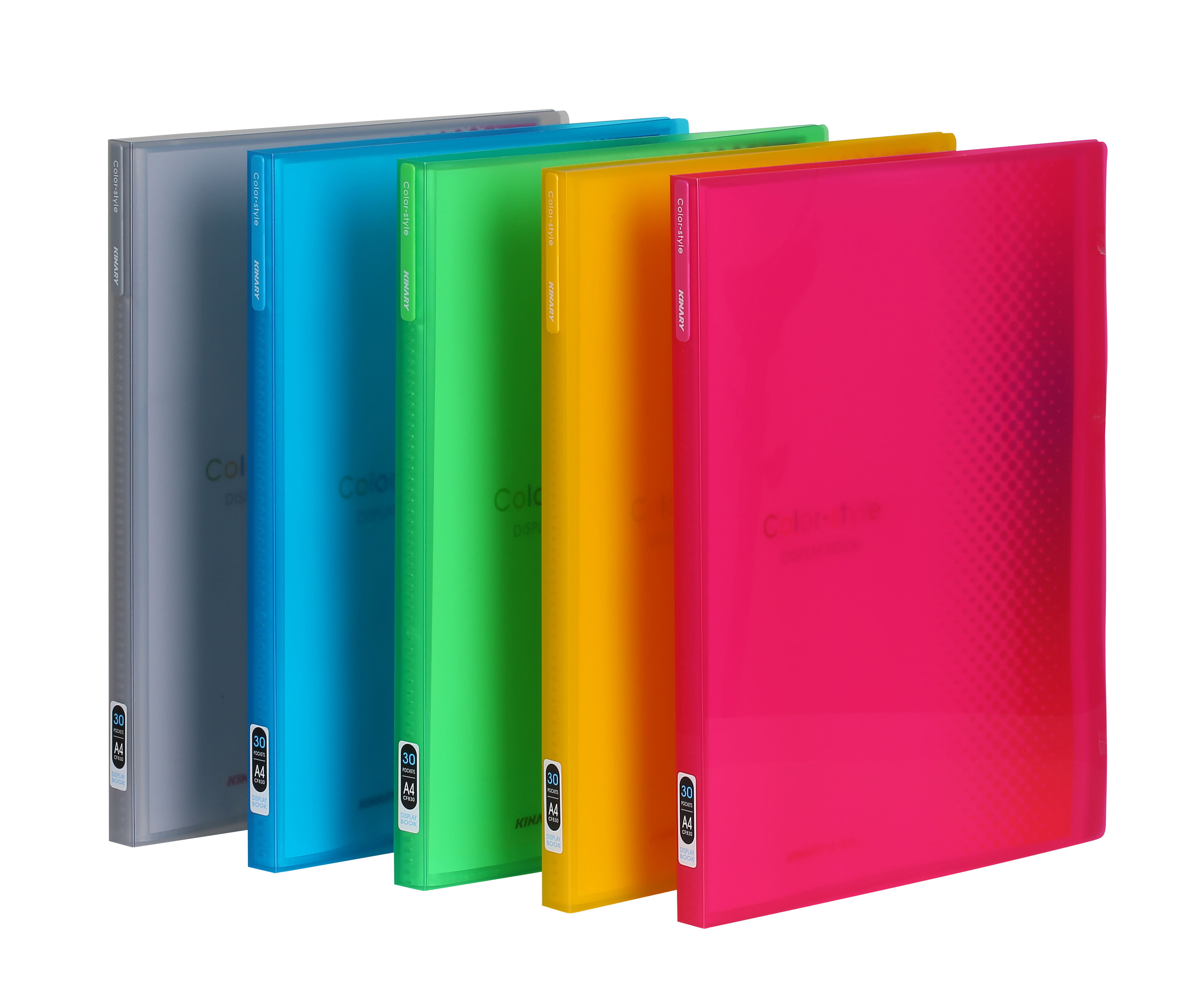
Quality Standards and Performance Metrics
Durability Testing and Longevity Assessments
Professional clear books undergo rigorous testing protocols to ensure consistent performance under various environmental conditions. These assessments include temperature cycling, humidity exposure, and mechanical stress testing that simulate real-world usage scenarios. Quality manufacturers implement standardized testing procedures that evaluate material integrity, binding strength, and optical clarity retention over extended periods.
Performance metrics for clear books encompass factors such as page capacity, binding flexibility, and resistance to common workplace hazards. High-quality products demonstrate superior performance across multiple criteria, including resistance to tearing, cracking, and deformation under normal handling conditions. These characteristics directly impact the long-term value proposition of clear books in professional environments.
Optical Clarity and Visual Enhancement Standards
The effectiveness of clear books depends heavily on their optical properties, including light transmission rates, distortion levels, and color neutrality. Premium products achieve light transmission rates exceeding ninety percent while maintaining minimal optical distortion that could interfere with document readability. These specifications ensure that text, graphics, and color elements appear with maximum fidelity through the transparent material.
Visual enhancement capabilities of clear books extend beyond basic transparency to include features like glare reduction, anti-reflective coatings, and enhanced contrast properties. These advanced optical characteristics improve viewing comfort and reduce eye strain during extended document review sessions, contributing to overall workplace productivity and user satisfaction.
Implementation Strategies and Best Practices
Document Categorization and Organization Systems
Effective utilization of clear books requires systematic approaches to document categorization and organization. Professional users develop classification systems that leverage the visual accessibility of transparent covers to create intuitive filing and retrieval processes. Color-coded systems, index tabs, and categorical divisions enhance the organizational benefits inherent in clear book designs.
Best practices include establishing consistent formatting standards for documents placed within clear books, ensuring optimal visibility and professional appearance. This approach involves standardizing page orientations, font sizes, and margin specifications that complement the transparent viewing format while maintaining document legibility and aesthetic appeal.
Maintenance and Care Protocols
Proper maintenance of clear books ensures sustained performance and appearance quality throughout their operational lifespan. Regular cleaning protocols using appropriate materials and techniques prevent accumulation of dust, fingerprints, and other contaminants that could compromise visual clarity. Professional users implement scheduled maintenance routines that preserve both functional and aesthetic properties of clear books.
Storage considerations play important roles in maintaining clear book quality, including temperature control, humidity management, and protection from direct sunlight exposure. These environmental factors can impact material properties over time, making proper storage protocols essential for organizations that rely on clear books for long-term document management solutions.
Technology Integration and Future Developments
Digital Integration Capabilities
Modern clear books increasingly incorporate features that facilitate integration with digital document management systems. QR codes, RFID tags, and barcode systems embedded within clear book designs enable seamless connectivity between physical and digital document repositories. This hybrid approach combines the visual accessibility of clear books with the searchability and backup capabilities of electronic systems.
The integration potential extends to mobile scanning applications that can capture document images through clear book covers, eliminating the need to remove materials for digital conversion. This capability preserves document protection while enabling rapid digitization for sharing, archiving, or remote access purposes.
Sustainable Materials and Environmental Considerations
Environmental sustainability has become increasingly important in clear book manufacturing, driving development of recyclable materials and eco-friendly production processes. Manufacturers are exploring bio-based polymers and recycled content options that maintain optical clarity and durability standards while reducing environmental impact. These developments align with corporate sustainability initiatives and regulatory requirements for environmentally responsible business practices.
Life cycle assessments of clear books consider factors including material sourcing, manufacturing energy consumption, transportation impacts, and end-of-life disposal options. Sustainable design approaches focus on extending product lifespan, improving recyclability, and reducing overall environmental footprint while maintaining the functional benefits that make clear books valuable for document presentation applications.
FAQ
What materials are most commonly used in high-quality clear books
High-quality clear books typically utilize polypropylene or acetate films that offer superior optical clarity and durability. These materials resist yellowing, cracking, and environmental degradation while maintaining excellent transparency for document viewing. Premium products may incorporate additional coatings for enhanced protection and optical performance.
How do clear books compare to traditional opaque binders for professional use
Clear books provide immediate visual access to document contents without opening, making them ideal for quick reference and presentation scenarios. Traditional opaque binders offer privacy benefits but require opening to view contents. The choice depends on specific application requirements, with clear books excelling in situations requiring frequent document viewing or demonstration purposes.
What capacity limitations should be considered when selecting clear books
Clear books have varying capacity limitations depending on their binding mechanism and material thickness. Most professional-grade clear books accommodate between twenty to one hundred sheets, though capacity may be affected by document thickness and binding type. Users should consider both current and future document volume requirements when selecting appropriate clear book specifications.
How should clear books be maintained to preserve optical clarity
Regular cleaning with appropriate materials maintains optical clarity in clear books. Use soft, lint-free cloths and mild cleaning solutions to remove fingerprints and dust. Avoid abrasive cleaners or rough materials that could scratch surfaces. Store clear books in controlled environments away from direct sunlight and extreme temperatures to prevent material degradation.