EN
EN

Document organization remains one of the most critical aspects of maintaining an efficient workspace, whether in corporate environments, educational institutions, or home offices. The ability to quickly locate, access, and manage important papers can significantly impact productivity and reduce stress levels throughout the workday. Clear files have emerged as an indispensable solution for professionals seeking to streamline their document management systems while maintaining visual accessibility to their most important materials.
The modern workplace demands sophisticated organizational tools that can adapt to various document types, sizes, and storage requirements. Traditional filing systems often fall short when it comes to providing immediate visual access to contents, leading to time-consuming searches and potential misplacement of crucial documents. This challenge has driven the evolution of transparent storage solutions that combine the security of enclosed filing with the convenience of instant content identification.
Understanding the Fundamentals of Clear File Organization
Essential Components of Transparent Filing Systems
Clear files function as protective barriers while maintaining complete visibility of enclosed documents. These transparent storage solutions are typically manufactured from durable polypropylene or PVC materials that resist tearing, moisture, and general wear from frequent handling. The transparency factor allows users to identify contents immediately without opening each file, significantly reducing the time spent searching for specific documents during busy work periods.
The structural design of quality clear files incorporates reinforced edges and smooth interior surfaces that prevent document damage during insertion and removal. Professional-grade options often feature anti-static properties that prevent dust accumulation and maintain crystal-clear visibility over extended periods. These characteristics make them particularly valuable for preserving important contracts, certificates, presentations, and reference materials that require frequent access.
Material Quality and Durability Considerations
Premium clear files are constructed from acid-free materials that prevent yellowing and degradation over time, ensuring long-term document preservation. The thickness of the material directly correlates with durability and protection levels, with heavier gauges providing superior resistance to punctures and tears. Professional environments typically benefit from clear files with reinforced binding edges that withstand repeated opening and closing without compromising structural integrity.
Temperature resistance represents another crucial factor in material selection, particularly for offices with varying climate conditions. High-quality transparent files maintain their clarity and flexibility across a wide temperature range, preventing brittleness in cold environments and warping in warm conditions. This stability ensures consistent performance regardless of seasonal changes or building climate control variations.
Strategic Implementation of Clear File Systems
Categorization and Color-Coding Methods
Effective document organization with clear files begins with establishing logical categorization systems that align with workflow patterns and access frequency. Primary categories might include active projects, reference materials, administrative documents, and archived items, each requiring different levels of accessibility and protection. The transparent nature of these files allows for immediate visual scanning while maintaining organized groupings through strategic placement and labeling systems.
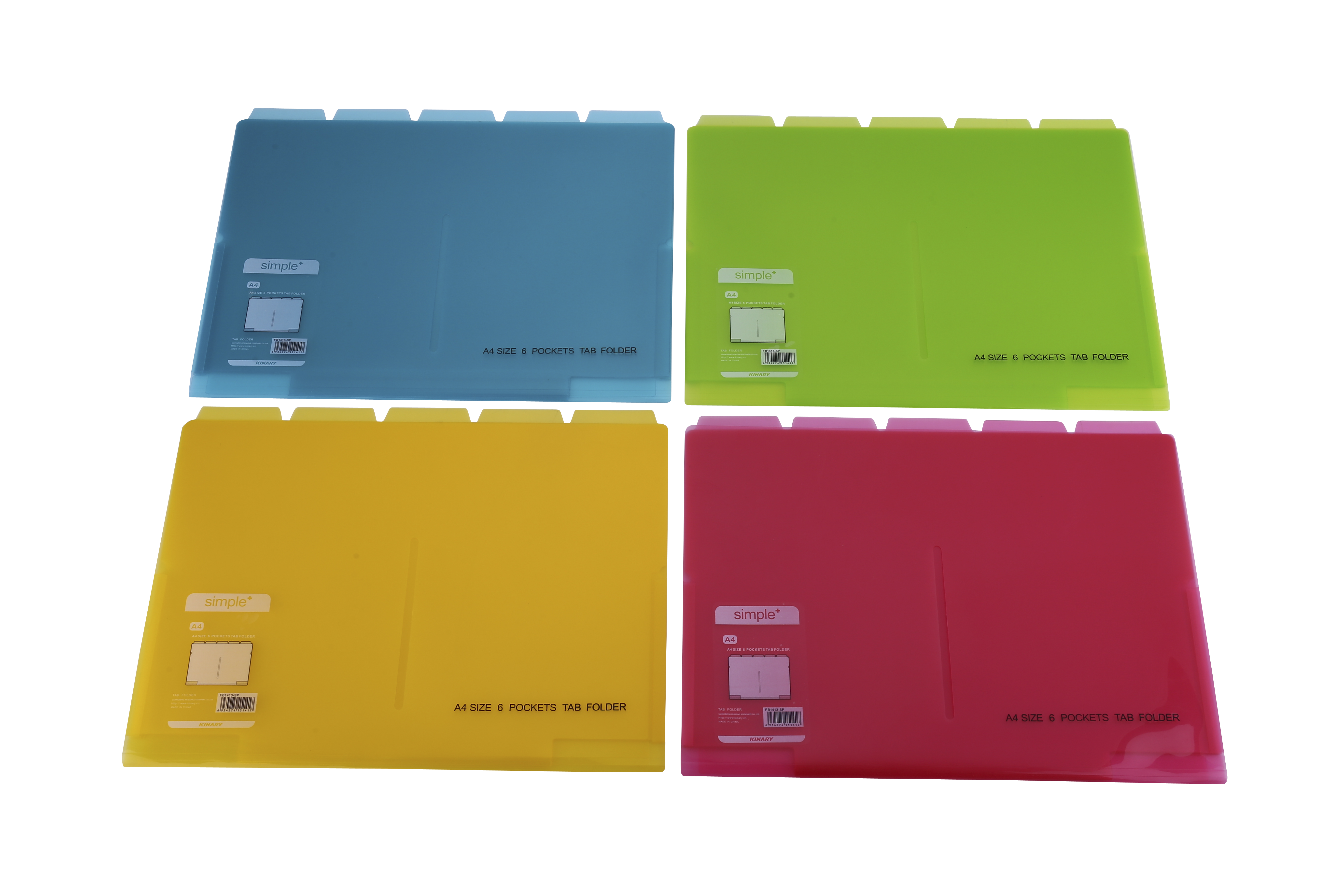
Color-coding enhances the organizational benefits of clear files by providing additional visual cues for rapid identification. Colored tabs, labels, or binding edges can indicate priority levels, department assignments, or project phases without obscuring document visibility. This dual-layer identification system combines the instant recognition benefits of transparency with the categorical organization advantages of color-based systems, creating a comprehensive filing solution that adapts to various organizational needs.
Workspace Integration and Accessibility Planning
Successful integration of clear files into existing workspace layouts requires careful consideration of traffic patterns, frequency of access, and available storage configurations. Desktop organizers, wall-mounted systems, and drawer inserts can accommodate different clear file formats while maintaining easy access to frequently used documents. The key lies in positioning these transparent storage solutions where they provide maximum convenience without cluttering the immediate work area.
Accessibility planning should account for both individual and team usage patterns, ensuring that shared documents remain easily identifiable and retrievable by multiple users. Clear files excel in collaborative environments where document visibility eliminates the guesswork associated with traditional opaque folders. Strategic placement near workstations, meeting areas, and common spaces facilitates seamless document sharing while maintaining organizational integrity throughout the workflow process.
Advanced Organization Techniques and Best Practices
Systematic Labeling and Indexing Approaches
Professional document management extends beyond simple categorization to include comprehensive labeling systems that provide detailed information at a glance. Clear files benefit from external labeling that complements their transparent properties, offering both visual document identification and contextual information about contents, dates, and relevance. Strategic label placement along edges or corners maintains document visibility while providing essential organizational data.
Digital indexing systems can complement physical clear file organization by creating searchable databases that reference specific file locations and contents. This hybrid approach combines the tactile benefits of physical document handling with the search capabilities of digital systems. Regular updates to indexing systems ensure that the organizational structure remains current and reflects any changes in document priorities or categorization requirements.
Maintenance and Quality Control Procedures
Maintaining the effectiveness of clear file systems requires regular review and cleaning procedures that preserve transparency and organizational integrity. Scheduled maintenance includes cleaning transparent surfaces to remove fingerprints and dust, checking for wear or damage that might compromise document protection, and updating categorization systems to reflect changing business needs. These proactive measures prevent the gradual degradation of organizational effectiveness that can occur without proper attention.
Quality control procedures should include periodic assessment of document relevance and filing accuracy to prevent the accumulation of outdated materials that can clutter the system. Regular purging of expired documents and reorganization of active materials maintains the efficiency benefits that make clear files valuable organizational tools. This ongoing maintenance ensures that the filing system continues to support productivity rather than becoming a source of confusion or inefficiency.
Industry Applications and Specialized Uses
Healthcare and Medical Record Management
Healthcare facilities rely heavily on clear files for patient record management, where immediate document identification can be critical for patient care and safety. The transparent nature allows medical staff to quickly verify patient information, insurance details, and treatment histories without time-consuming file searches. Clear files in medical settings often incorporate antimicrobial treatments and easy-clean surfaces that support infection control protocols while maintaining document accessibility.
Specialized medical clear files accommodate various document sizes common in healthcare settings, from standard letter-size forms to larger diagnostic images and charts. The durability requirements in medical environments demand clear files that can withstand frequent handling, sterilization procedures, and the demanding pace of healthcare operations. These applications demonstrate how clear files adapt to specialized industry requirements while maintaining their core organizational benefits.
Legal and Professional Services Implementation
Legal professionals utilize clear files for case management, client documentation, and regulatory compliance requirements that demand both organization and immediate access to critical information. The ability to quickly identify specific contracts, correspondence, or legal documents can significantly impact case preparation and client service quality. Clear files in legal settings often feature reinforced construction to handle the volume and frequency of document access typical in legal practices.
Professional service firms benefit from clear files in client presentation scenarios where document visibility and organization reflect service quality and attention to detail. The professional appearance of well-organized transparent files enhances client confidence while providing practical benefits for service delivery. These applications highlight how clear files serve both functional and presentational roles in professional environments where image and efficiency are equally important.
Technology Integration and Future Developments
Digital Hybrid Solutions and Smart Filing
Modern clear file systems increasingly incorporate digital elements such as QR codes or RFID tags that bridge the gap between physical and digital document management. These hybrid solutions maintain the visual benefits of transparent filing while adding digital tracking capabilities that enhance search functionality and document history tracking. The integration of smart technologies with traditional clear files creates comprehensive organizational systems that leverage the strengths of both physical and digital approaches.
Cloud integration capabilities allow clear file systems to synchronize with digital document management platforms, ensuring that physical and digital copies remain coordinated and up-to-date. This technological integration supports remote work environments while maintaining the tactile benefits of physical document handling when on-site access is required. The evolution of clear files toward smart filing solutions represents the next phase in document organization technology.
Sustainability and Environmental Considerations
Environmental sustainability has become a significant factor in clear file selection, with manufacturers developing recyclable and eco-friendly materials that maintain transparency and durability standards. Biodegradable clear files made from plant-based materials offer environmentally conscious alternatives without compromising organizational functionality. These developments reflect growing awareness of environmental impact while supporting continued innovation in document organization solutions.
Sustainable practices in clear file usage include strategies for extending product life, proper recycling procedures, and selection of products from manufacturers committed to environmental responsibility. Organizations implementing clear file systems can align their document management practices with broader sustainability goals while maintaining the efficiency and organizational benefits that make these solutions valuable. This alignment demonstrates how practical business tools can support environmental stewardship without sacrificing functionality.
FAQ
What makes clear files more effective than traditional opaque folders?
Clear files provide immediate visual access to document contents without requiring opening or handling, significantly reducing search time and improving organizational efficiency. The transparency eliminates guesswork when locating specific documents, while the protective enclosure maintains document condition and prevents loss or damage during storage and transport.
How do I choose the right thickness and material for clear files?
Select clear file thickness based on intended usage frequency and document protection requirements, with heavier gauges providing superior durability for high-traffic applications. Consider acid-free, anti-static materials for long-term document preservation, and evaluate temperature resistance if files will be used in varying climate conditions or outdoor environments.
Can clear files accommodate different document sizes and types?
Most clear file manufacturers offer multiple size options ranging from business card holders to oversized formats for architectural drawings or posters. Expandable and multi-pocket designs accommodate varying document thicknesses and multiple related items, while specialized formats address specific industry needs such as medical charts or legal documents.
What maintenance is required to keep clear files functioning effectively?
Regular cleaning with appropriate solvents maintains transparency and prevents static buildup that attracts dust and debris. Periodic inspection for wear, cracks, or edge damage ensures continued document protection, while systematic review and reorganization of contents prevents accumulation of outdated materials that can compromise organizational effectiveness.