EN
EN

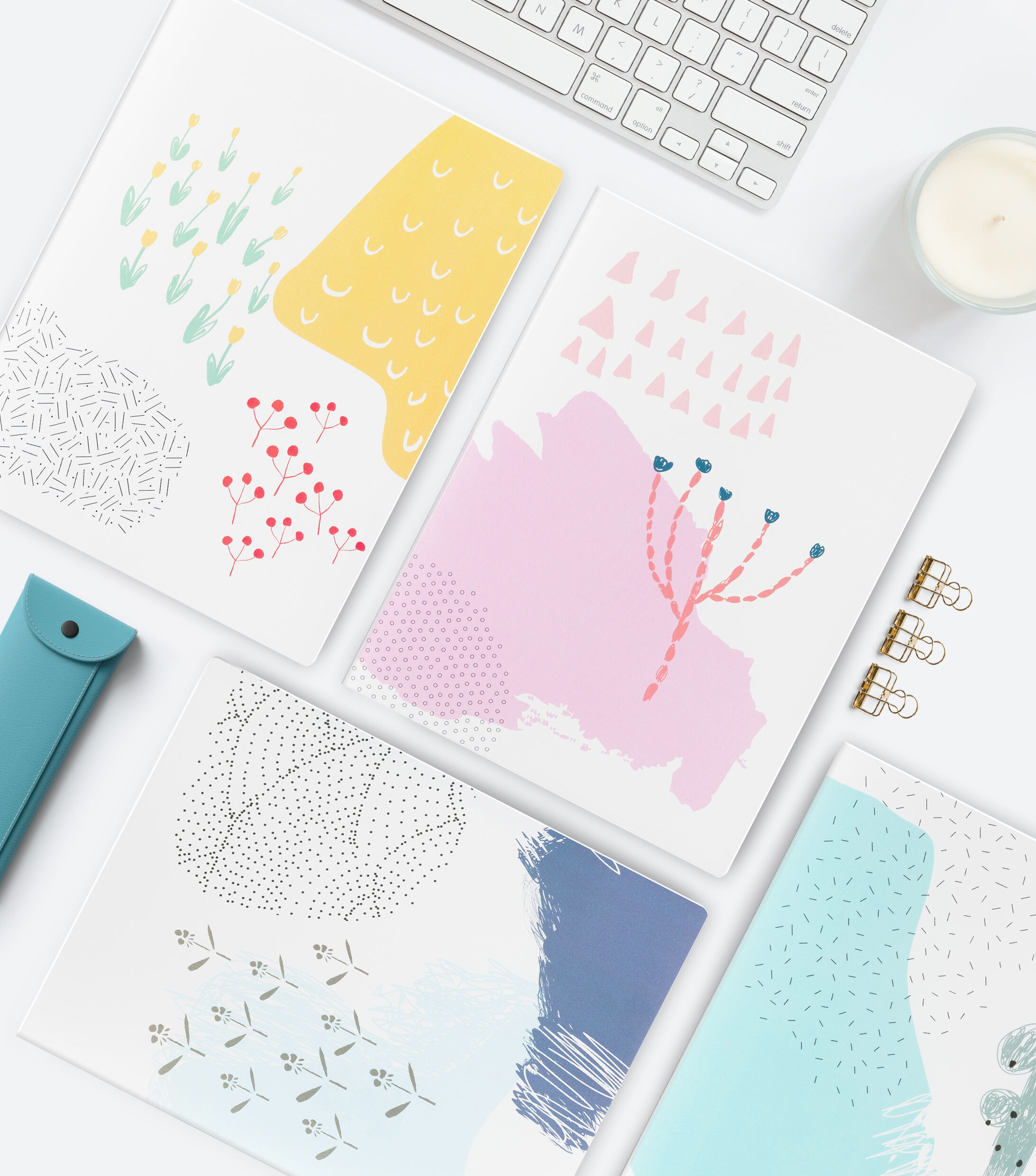
Students across all educational levels rely on effective organization systems to manage their academic materials, assignments, and important documents. Among the most versatile and practical solutions available today are clear files, which offer transparent protection while maintaining easy visibility of contents. These essential organizational tools have evolved significantly from simple plastic sleeves to sophisticated document management systems that cater to diverse student needs and preferences.
The modern educational environment demands sophisticated organizational solutions that can adapt to various learning styles and academic requirements. Students today juggle multiple subjects, projects, and extracurricular activities, making efficient document management more crucial than ever. Clear files provide the perfect balance between protection and accessibility, allowing students to maintain organized systems without sacrificing quick access to their materials.
Understanding Different Clear File Categories
Standard Protective Sleeves
Basic protective sleeves represent the foundation of clear file organization systems for students. These transparent covers typically accommodate standard letter-size or A4 documents and provide essential protection against moisture, tears, and general wear. The simplicity of standard sleeves makes them ideal for protecting individual assignments, handouts, or reference materials that students access frequently throughout their academic day.
High-quality protective sleeves feature reinforced edges and durable construction materials that withstand repeated handling and storage in backpacks or lockers. Students benefit from the crystal-clear visibility these sleeves provide, eliminating the need to remove documents for quick reference or review. The cost-effectiveness of standard sleeves makes them accessible to students across different economic backgrounds while maintaining professional presentation standards.
Multi-Pocket Portfolio Systems
Advanced portfolio systems offer comprehensive organization solutions through multiple transparent pockets arranged in logical configurations. These clear files typically feature between ten to twenty individual pockets, allowing students to segregate materials by subject, project phase, or document type. The systematic approach these portfolios provide helps students develop strong organizational habits that extend beyond their academic careers.
Portfolio systems often incorporate additional features such as business card holders, pen loops, and expandable pockets to accommodate varying document sizes. The professional appearance of these systems makes them suitable for presentations, job interviews, and academic conferences where students need to showcase their work in a polished format. Many portfolio systems also include indexing tabs or color-coding options to further enhance organizational efficiency.
Material Composition and Durability Factors
Polypropylene Construction Benefits
Polypropylene represents the gold standard in clear file construction due to its exceptional balance of flexibility, durability, and chemical resistance. This synthetic polymer maintains its transparency over extended periods while resisting yellowing, cracking, and degradation from normal handling. Students appreciate polypropylene clear files for their ability to maintain document integrity even when subjected to the rigorous demands of daily academic use.
The non-reactive nature of polypropylene ensures that documents stored within these clear files remain free from chemical interactions that could cause staining or deterioration. This material property proves particularly valuable for students storing important documents such as transcripts, certificates, or original research materials that require long-term preservation. Additionally, polypropylene clear files resist static electricity buildup, preventing documents from clinging to the protective surface.
PVC Alternative Considerations
Polyvinyl chloride alternatives offer different advantages for specific student applications, particularly where enhanced rigidity and structural support are required. PVC clear files typically provide superior protection for documents that need to maintain their shape during transport or storage. These materials excel in situations where students need to present materials in formal settings or protect documents from more severe environmental conditions.
However, students should consider the environmental implications of PVC materials and their institution's sustainability policies when selecting clear files. Many educational institutions now encourage the use of recyclable materials, making eco-friendly alternatives increasingly important in academic settings. The choice between PVC and alternative materials often depends on specific use cases and individual student priorities regarding environmental responsibility.
Size Specifications for Academic Applications
Standard Letter and A4 Compatibility
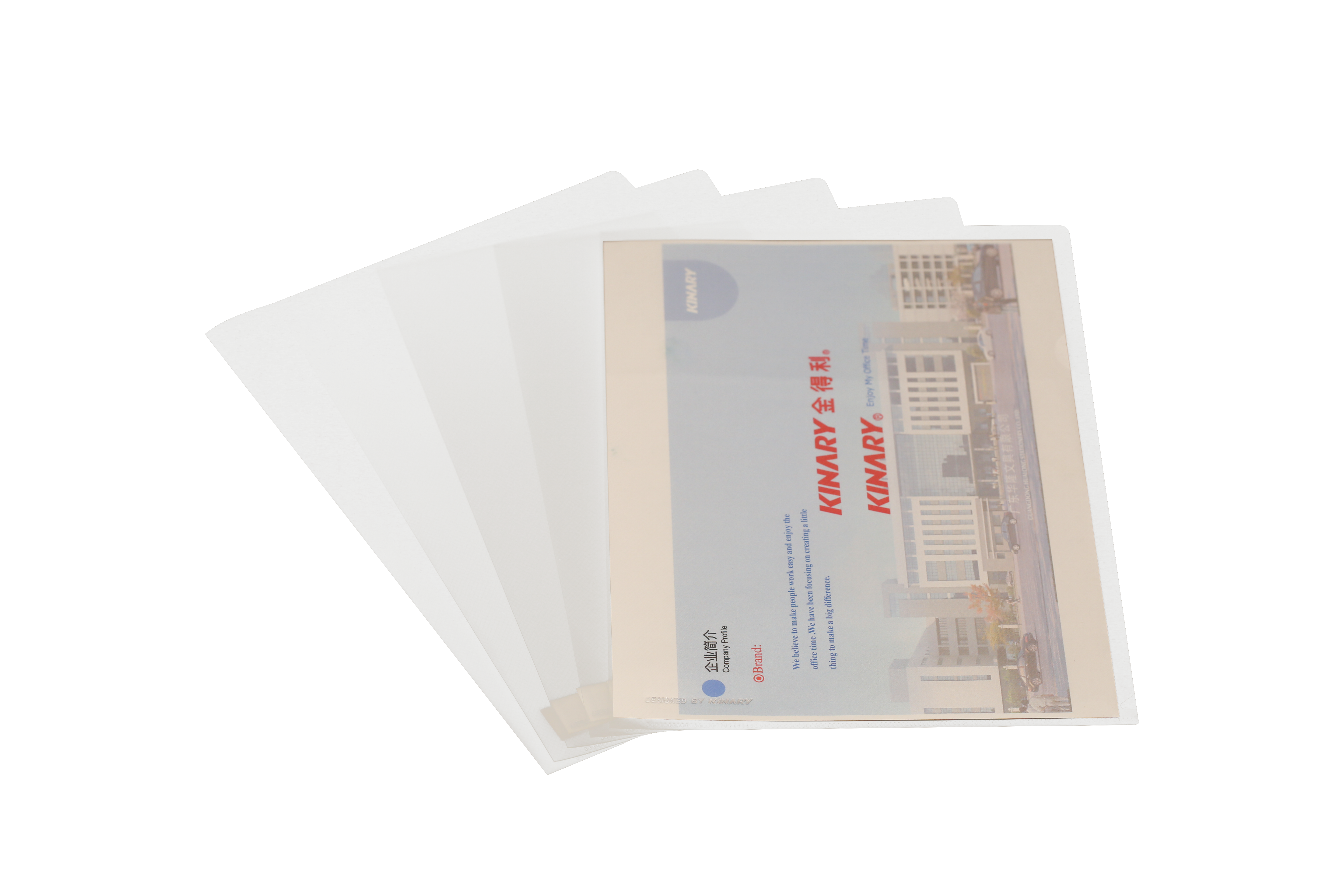
Letter-size and A4 clear files accommodate the vast majority of academic documents that students encounter throughout their educational journey. These standard formats align with common printing and assignment submission requirements, ensuring compatibility with coursework, research papers, and administrative documents. The universal nature of these sizes makes them essential components of any comprehensive student organization system.
Professional clear files in standard sizes often feature precise cutting and finishing that prevents document edges from catching or tearing during insertion and removal. High-quality manufacturing ensures consistent dimensions that accommodate documents without excessive looseness or restrictive fitting. Students benefit from the predictable sizing that allows for easy integration with binders, filing systems, and storage solutions commonly used in academic environments.
Specialized Size Requirements
Certain academic disciplines require clear files in non-standard sizes to accommodate specialized materials such as architectural drawings, engineering schematics, or artistic portfolios. These applications demand clear files that provide adequate protection while maintaining the visual impact and technical precision of oversized documents. Students in technical and creative fields often require multiple size options to properly organize their diverse material collections.
Legal-size clear files serve students in law, business, and administrative programs where longer documents are commonplace. The additional length accommodates legal briefs, contracts, and detailed reports without folding or trimming. Similarly, students working with international materials may require clear files that accommodate various international paper standards, ensuring global compatibility for study abroad programs or international research collaborations.
Features That Enhance Student Productivity
Quick-Access Design Elements
Thumb notches and easy-grip openings significantly improve the practical usability of clear files in fast-paced academic environments. These design features allow students to quickly access documents during lectures, study sessions, or group projects without fumbling with protective covers. The efficiency gained through thoughtful design elements translates directly into improved academic performance and reduced stress during critical moments.
Reinforced opening mechanisms prevent the common problem of clear files splitting or tearing at stress points during repeated use. Quality construction in these areas ensures that clear files maintain their protective function throughout entire academic terms or years. Students appreciate the reliability that comes from well-engineered access points that perform consistently under various conditions and usage patterns.
Organization and Identification Systems
Integrated labeling areas and indexing systems transform basic clear files into sophisticated organizational tools that support complex academic workflows. These features allow students to create systematic filing approaches that scale with their educational progress and increasing document volumes. Clear identification systems prevent the time waste associated with searching through unmarked files and contribute to overall academic efficiency.
Color-coding capabilities built into clear file systems provide visual organization methods that appeal to different learning styles and organizational preferences. Students can develop personalized systems that align with their cognitive processing patterns, whether through subject-based color schemes, priority-level indicators, or project-phase identification. The flexibility of modern identification systems supports diverse organizational philosophies while maintaining professional appearances.
Subject-Specific Applications and Benefits
STEM Field Requirements
Science, technology, engineering, and mathematics students face unique document management challenges that require specialized clear file solutions. Laboratory reports, technical drawings, calculation sheets, and research data often involve multiple page formats and require protection from chemical exposure or moisture in laboratory environments. Clear files designed for STEM applications incorporate enhanced protection features while maintaining the transparency necessary for quick reference during experiments or calculations.
The precision required in STEM fields extends to document organization, where clear files must accommodate detailed graphs, charts, and technical diagrams without distortion or interference. Anti-static properties become particularly important when dealing with electronic components or sensitive measurement equipment. STEM students benefit from clear files that maintain document integrity while supporting the rigorous documentation standards required in scientific and technical disciplines.
Liberal Arts and Humanities Applications
Students in liberal arts and humanities disciplines require clear files that support extensive text-based materials, research documents, and creative works. The emphasis on written assignments, essay drafts, and research sources demands clear files that protect documents while allowing for easy annotation and reference. The ability to quickly access and compare multiple sources becomes crucial during research and writing processes.
Creative applications within humanities fields often involve mixed media documents that combine text with images, artwork, or historical materials. Clear files for these applications must provide archival-quality protection while maintaining the visual fidelity necessary for artistic and historical analysis. The presentation aspect becomes particularly important when students need to share their work with peers, instructors, or in academic conferences and exhibitions.
FAQ
How do I choose the right thickness for student clear files?
The optimal thickness for student clear files depends on your specific usage patterns and protection requirements. For daily academic use, medium-weight clear files between 0.15mm to 0.20mm provide excellent durability without excessive bulk. Heavy-duty applications requiring maximum protection benefit from thicker materials around 0.25mm to 0.30mm, while lightweight options around 0.10mm to 0.12mm work well for temporary document protection or high-volume filing systems.
Can clear files be used in three-ring binders effectively?
Yes, many clear files are specifically designed with pre-punched holes that align perfectly with standard three-ring binders. This compatibility allows students to combine the protection of clear files with the organizational structure of binder systems. When selecting binder-compatible clear files, ensure the hole reinforcement is adequate to prevent tearing during frequent page turning and that the material thickness accommodates your binder's ring capacity.
What maintenance is required to keep clear files in optimal condition?
Proper maintenance of clear files involves regular cleaning with mild soap and water to remove fingerprints, dust, and other residues that can affect transparency. Avoid harsh chemicals or abrasive cleaners that might scratch or cloud the surface. Store clear files in cool, dry environments away from direct sunlight to prevent material degradation. Replace clear files when they show signs of cracking, yellowing, or permanent cloudiness that interferes with document visibility.
Are there eco-friendly alternatives to traditional clear files for environmentally conscious students?
Several manufacturers now offer eco-friendly clear files made from recycled materials or biodegradable plastics that maintain the protective and organizational benefits of traditional options. These sustainable alternatives often feature comparable durability and clarity while supporting environmental responsibility goals. Students can also extend the lifecycle of clear files through proper care and consider reusable options that accommodate multiple documents over time rather than single-use protective sleeves.