EN
EN

The modern workplace has evolved dramatically over the past decade, with professionals increasingly demanding storage solutions that blend functionality with aesthetic appeal. Document bag designs have emerged as a crucial element in professional accessories, reflecting both organizational needs and personal style preferences. These specialized carrying solutions serve as more than mere storage containers, representing a fusion of practicality and contemporary design philosophy that resonates with today's mobile workforce.
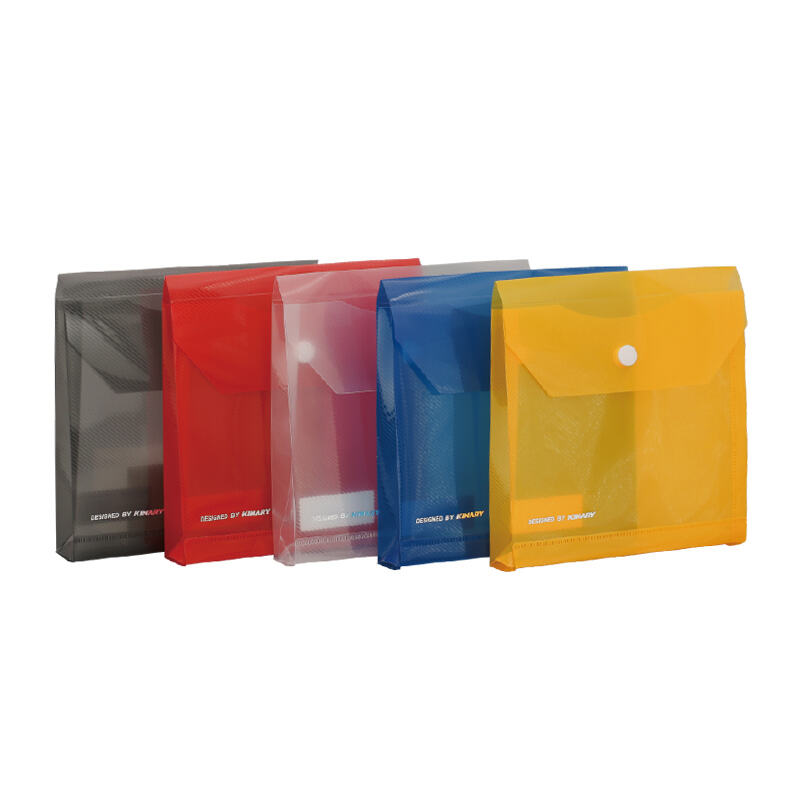
Contemporary professionals require document storage solutions that accommodate diverse work environments, from traditional office settings to co-working spaces and remote locations. The evolution of document bag designs reflects broader shifts in workplace culture, emphasizing versatility, durability, and visual sophistication. These accessories have transcended their purely utilitarian origins to become essential elements of professional identity and organizational efficiency.
Minimalist Design Philosophy in Professional Storage
Clean Lines and Geometric Aesthetics
The minimalist movement has significantly influenced contemporary document bag designs, with manufacturers embracing clean lines, geometric shapes, and uncluttered aesthetics. This design philosophy emphasizes functionality through simplicity, eliminating unnecessary decorative elements while maximizing practical utility. Modern professionals gravitate toward storage solutions that project sophistication through restraint rather than ostentation.
Geometric patterns and angular construction methods have become hallmarks of premium document storage accessories. Designers incorporate mathematical precision into their creations, utilizing golden ratio proportions and symmetric arrangements to achieve visual harmony. These geometric influences create products that appeal to professionals who appreciate intellectual rigor and systematic organization in their work environments.
Neutral Color Palettes and Material Selection
Contemporary document bag designs frequently employ neutral color schemes that complement diverse professional wardrobes and office environments. Manufacturers favor sophisticated grays, deep blacks, warm browns, and subtle beiges that maintain visual appeal across various contexts. These color choices reflect professional versatility while avoiding trends that might appear dated within short timeframes.
Material selection plays a crucial role in achieving minimalist aesthetics while ensuring durability and functionality. Premium manufacturers utilize high-quality leather, advanced synthetic materials, and innovative textile blends that provide longevity without compromising visual elegance. The emphasis on material quality reflects growing consumer awareness regarding sustainable consumption and long-term value propositions.
Technological Integration and Smart Features
Digital Connectivity and Charging Solutions
Modern document bag designs increasingly incorporate technological features that address contemporary professional needs. Integrated charging ports, wireless charging pads, and cable management systems have become standard elements in premium storage solutions. These technological integrations reflect the reality of modern work environments where digital devices require constant power access and organized connectivity solutions.
Manufacturers develop sophisticated cable routing systems that maintain clean exterior aesthetics while providing internal organization for various electronic accessories. These systems accommodate different device types, from laptops and tablets to smartphones and portable batteries, ensuring that professionals can maintain productivity regardless of their location or available power sources.
Security Features and Access Control
Advanced security features have become increasingly important in document bag designs, particularly for professionals handling sensitive information or valuable equipment. Biometric locks, RFID-blocking materials, and tamper-evident closures provide peace of mind in various professional contexts. These security implementations balance accessibility with protection, ensuring that authorized users can quickly access their materials while preventing unauthorized intrusion.
Smart access control systems utilize smartphone connectivity and app-based management to provide comprehensive security monitoring. These systems can track access attempts, monitor location data, and send alerts regarding unauthorized handling, creating comprehensive security ecosystems around professional document storage needs.
Sustainable Materials and Environmental Consciousness
Eco-Friendly Manufacturing Processes
Environmental sustainability has become a driving force in contemporary document bag designs, with manufacturers adopting eco-friendly materials and production processes. Recycled plastics, organic textiles, and responsibly sourced leather alternatives demonstrate industry commitment to environmental stewardship. These material choices appeal to environmentally conscious professionals who seek to align their purchasing decisions with their personal values.
Innovative manufacturers explore biomaterials derived from agricultural waste, mushroom-based leather alternatives, and recycled ocean plastics to create sustainable storage solutions. These material innovations provide environmental benefits without compromising durability, functionality, or aesthetic appeal, demonstrating that sustainability and quality can coexist in premium professional accessories.
Circular Design Principles and Longevity
Circular design principles influence modern document bag designs through emphasis on repairability, modularity, and end-of-life considerations. Manufacturers create products with replaceable components, upgrade pathways, and material recovery potential to minimize waste and extend product lifecycles. These design philosophies reflect growing consumer awareness regarding sustainable consumption patterns.
Modular construction methods allow users to customize their storage solutions according to evolving needs while maintaining core structural integrity. This approach provides long-term value while reducing the need for complete product replacement as professional requirements change over time.
Ergonomic Innovation and User Experience
Comfort and Portability Enhancements
Ergonomic considerations play a crucial role in contemporary document bag designs, with manufacturers investing in research and development to optimize user comfort during extended carrying periods. Advanced strap systems, weight distribution technologies, and padding innovations reduce physical strain while maintaining professional appearance standards.
Biomechanical studies inform design decisions regarding handle placement, strap angles, and load distribution patterns. These scientific approaches ensure that document storage solutions support healthy posture and movement patterns, particularly important for professionals who frequently travel or work in mobile environments.
Adaptive Storage Configurations
Modern document bag designs incorporate adaptive storage systems that accommodate varying document sizes, quantities, and organizational preferences. Adjustable dividers, expandable compartments, and modular organization systems provide flexibility while maintaining structural integrity and professional appearance.
These adaptive features address the reality of changing professional requirements, allowing users to reconfigure their storage solutions for different projects, client meetings, or work environments. The emphasis on adaptability reflects growing recognition that professional needs vary significantly across individuals and contexts.
Aesthetic Trends and Visual Identity
Professional Branding and Corporate Identity
Document bag designs increasingly serve as extensions of professional branding and corporate identity, with customization options allowing organizations to reinforce their visual presence. Subtle logo placement, corporate color schemes, and branded hardware create cohesive professional presentations while maintaining sophisticated aesthetics.
Premium manufacturers offer extensive customization services that accommodate corporate branding requirements without compromising design integrity. These services include embossing, color matching, and hardware selection that align with existing corporate identity systems while maintaining product quality and functionality.
Artisanal Craftsmanship and Premium Materials
The resurgence of artisanal craftsmanship influences high-end document bag designs through emphasis on hand-finished details, premium materials, and traditional construction techniques. These approaches create products with distinctive character and superior durability that appeal to professionals seeking exceptional quality and unique aesthetic expression.
Traditional leatherworking techniques, hand-stitched construction, and carefully selected hardware components demonstrate manufacturer commitment to excellence and attention to detail. These artisanal elements provide tangible quality indicators that justify premium pricing while creating emotional connections between users and their professional accessories.
Market Segmentation and Target Demographics
Executive and Leadership Accessories
Executive-level professionals require document bag designs that project authority, sophistication, and attention to detail. Premium manufacturers develop specialized products featuring luxury materials, refined construction techniques, and subtle design elements that communicate professional status without appearing ostentatious.
These executive-focused designs emphasize timeless aesthetics, superior craftsmanship, and exclusive features that differentiate them from mass-market alternatives. The target demographic values quality, exclusivity, and long-term durability over trendy features or aggressive pricing strategies.
Mobile Professionals and Digital Nomads
The growing population of mobile professionals and digital nomads drives demand for document bag designs that prioritize portability, versatility, and technological integration. These users require storage solutions that function effectively across diverse environments while maintaining professional appearance standards.
Lightweight materials, compact designs, and multi-functional features appeal to professionals who prioritize mobility and efficiency. These products must balance comprehensive functionality with streamlined profiles that accommodate airline restrictions and space-constrained work environments.
FAQ
What materials are most popular in contemporary document bag designs
Contemporary document bag designs primarily utilize premium leather, advanced synthetic materials, and sustainable textile blends. High-quality leather remains popular for its durability and professional appearance, while synthetic alternatives offer weather resistance and ethical considerations. Sustainable materials including recycled plastics and bio-based alternatives are gaining popularity among environmentally conscious professionals.
How do smart features enhance document bag functionality
Smart features in document bag designs include integrated charging systems, wireless charging pads, GPS tracking, and biometric security locks. These technological integrations address modern professional needs for device connectivity, security, and location awareness. Smart features enhance functionality by providing power solutions, security monitoring, and organizational assistance through smartphone connectivity.
What ergonomic considerations influence document bag design
Ergonomic considerations in document bag designs focus on weight distribution, strap positioning, and carrying comfort during extended use. Designers conduct biomechanical studies to optimize handle placement and load distribution patterns that support healthy posture. Padded straps, adjustable systems, and balanced construction reduce physical strain while maintaining professional appearance standards.
How do sustainable practices affect document bag manufacturing
Sustainable practices in document bag manufacturing include using recycled materials, implementing eco-friendly production processes, and designing for longevity and repairability. Manufacturers increasingly adopt circular design principles that consider end-of-life material recovery and component replacement options. These practices appeal to environmentally conscious consumers while maintaining quality and functionality standards.