 EN
EN


Nútíma skrifstofur krefjast áskiljanlegra skipulagsverkfæra sem geta unnið með auknum fjölda skjala án þess að missa ágengi og varanleika. Víðtækar skrár með útvíttun hafa orðið nauðsynlegar skrifstofuvörur og býða viðskiptum áreiðanlega lausn fyrir stjórnun á miklum magni pappírsdokumenta, samninga og stjórnskráarinnar. Þessi útvíttanlega skráarkerfi veita byggingarstyrkinn og geymslumagnið sem þarf til að stjórna skjölum á professional hátt í nútíma kröfuviðskiptamarkaðinum.
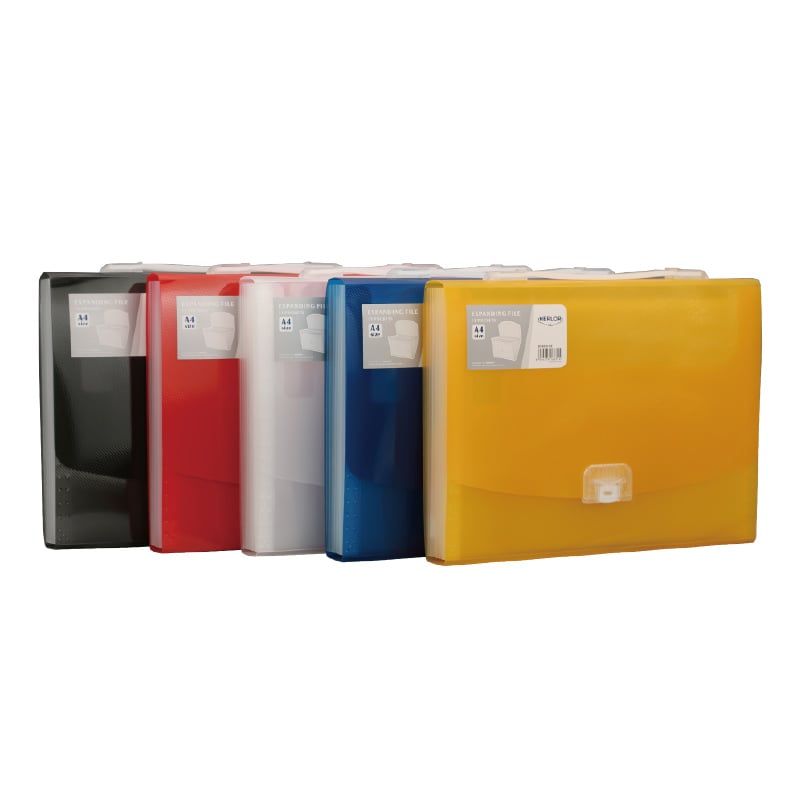
Framleiðslustöðvar sem eru ákveðnar til að framleiða útvíkjanlegar skrár með háum getu eru sérstök framleiðsluverkefni sem sameina nýjustu efnifræði, nákvæma verkfræði og gæsluferla. Þessar verksmiðjur snúa að því að búa til varanlega lausnir fyrir skrifstofuvörur sem uppfylla strangar kröfur í viðskipta-, lögfræði- og stjórnunarsviðum þar sem skipulag skjalna hefur bein áhrif á rekstrarafurð og samræmi við reglugerðir.
Framleiðslustöður fyrir útvíkjanlegar skrár með háum getu
Val á efni og gæðastjórnun
Fabrikkar fyrir rásfyllingar með háum getu leggja áherslu á vöruval sem grunn fyrir varanlega skrifborðsforvara. Efna af yfirstandandi polypropýlen og sterkvöðu kartongi eru sett undir strangar prófanir til að tryggja að þau geti staðið frammi við endurteknar útvíttunarsíklingar án uppbyggingarskeiða. Framleiðslustöðvar innleida almennar gæðastjórnunarreglur sem meta efnaþykkt, rissuþol og efnaheildarráðstafanir til að tryggja langtímaframleiðslu í skrifstofuumhverfi.
Framleiðsluferlið fyrir varanlega útvíkjanlega skrár með háum getu felur í sér fjölhýrða byggingaraðferðir sem aukka styrk uppbyggingarinnar án þess að taka frá beygju. Framleiðsluverksmiðjur nota sérstakar límefni og styrkjamaterial, sem mynda hefðbundnar tengingar á milli útvíkjanlegu hlutanna og koma í veg fyrir að þeir skiljist á við mikla skjalasvæði. Gæsluteymi framkvæma álagaprófun á hverri framleiðslusögu til að staðfesta að útvíkjanlega kerfið virki slétt og öruggt á allan ætlaðan notkunartíma vörurnar.
Prófun á móttældi hita og rökkva er lykilþáttur í framleiðslustöðlum fyrir þessa skrifborðsforvara. Verksmiðjur endurtaka ýmsar umhverfisstöður til að tryggja að útvíkjanlegar skrár með háum getu viðhalda formstöðugleika sínum og virkni sínum í mismunandi loftslagsbeltum og geymslustöðum sem algengt er að mæta í starfsstöðum.
Nákvæm verkfræði í framleiðslu
Framleiðslustöðvar nota háþróaða skurð- og formunartækni til að búa til nákvæmlega blösusagaformu uppbyggingar sem einkennir útvíkjanlegar skrár með háum getu. Tölva stýrðar skurðkerfi tryggja samhverf mál á vökum og jafna útvíkjunargetu í stórum framleiðsluferlum. Þessi nákvæmlega verkfræðilega aðferð tryggir að hver útvíkjanleg skrá veiti sama stig af getu og skipulagsvirkingu.
Framleiðsluferlið inniheldur sérstök vélar sem hannaðar eru sérstaklega til að búa til flókna foldunarmynstur sem krefjast við framleiðslu útvíkjanlegra skráa. Verkstæðisteknikar stilla þessi kerfi til að halda nákvæmlega markvörpunum sem leyfa slétt útvíkjun og samþrýmingu án þess að skrárnar festist eða fari úr jöfnu. Reglulegar viðhaldsáætlanir tryggja samhverfa gæði framleiðslunnar í lengri framleiðslutímabilum.
Effektívhedur framleiðslulínunnar í útvíkjanlegar skrár með háum getu framleiðsla byggist á þjálfuðum rekendum sem skilja mikilvæg tengipunkta og styrkjukröfur. Gæslupunktur fyrir gæðastýringu í gegnum samsetningarskiptið staðfestir að hver útvíktaður skráamappi uppfylli tilgreindar getuflokkunargildi og viðþyglisstaðla áður en þeim er pakkað og dreift.
Getustarfsemi og hönnunarfrumlega
Hagnýting skjalavöllum
Verksmiðjur með háa getu fyrir útvíktaða skráamappa leggja áherslu á að hámarka geymslumöguleika skjala án þess að missa í þéttum lokaðum mælingum. Verkfræðilíkamsliðin greina venjulegar vigtir og stærðir skjala í starfsstofum til að þróa útvíktingarhlutföll sem leyfa geymslu á miklum skjalasafn án þess að bera á áhrif á staðfestu uppbyggingarinnar. Ítarlegar hönnunarreikningar tryggja að fullt hlaðnir útvíktaðir skráamappar dreifidu þyngd jafnt yfir stuðningsramann.
Framleiðslustöðvar framkvæma útþrysningapróf til að setja upp nákvæmar tilgreiningar á skjölumagni fyrir þessar hávirku útvíkjanlegu skrár. Þessi próf fela í sér að hlaða týpískum dæmum með ýmsum pappírtegundum og skjalastillingum til að staðfesta að tilgreind skjölumagnsmerking endurspegli raunverulegar notandastillingar. Gæðastjórnunarreglur í verksmiðjum innihalda handahófskennd skjölumagnsstaðfestipróf á milli framleiðslusaga.
Aðgerðin til að aðlaga skjölumagnsgeymslu felur í sér nákvæma umhugsun um fjarlægð milli vökva, útvíkningarhorn og efnisbeygileika. Hönnunarsveitir í verksmiðjum vinna að því að búa til útvíkjanlegar skrár sem koma í veg fyrir skjalaþröngun en leyfa auðvelt aðgang að skráðum efnum jafnvel þegar einingin nálgast hámarksgeymslumagn.
Styrkleikaauglýsingar á byggingu
Gerving á varanlegum skrifstofuvörufabrikum krefst flókinnar styrkjunarstefnu sem leysir álagssvæði sem eru innbyggð í útvíkjanlegar skrár. Fabrikar fyrir skrár með háa getu notast við margpunktastyrkjunarkerfi sem styrkja tengisvæði milli aðliggjandi vottum og veita aukalega stuðning á botni og bakka þar sem vélarálag er hæst við notkun.
Verkfræðilíkamslið fabrikanna þróar sérsniðna styrkjunarefni sem eru sérstaklega gerð fyrir útvíkjanlegar skrár. Þessi efni sameina sniðugleika og háa tögröð til að uppfylla kröfur um dýnamísk hreyfingu sem krefst útvíkjunar- og samdráttarferla, en koma á sama tíma í veg fyrir týnsluskekkju yfir lengri notkunartíma. Framleiðsluaðferðir sameina þessi styrkjunarefni ósýnilega í heildarbyggingu skráarinnar.
Gæðaprófunaraðferðir í framleiðslu hávirkra útvíkjanlega skrámapakka innihalda endurtekna álagunarpróf sem líkja eftir árum af venjulegri notkun í opinberum stofum. Verkstæðisteknikar vinna sérstaka prófunarbúnað sem endurtekið útvíkar og samþrýmir prufueiningar meðan fylgst er með merkjum um uppbyggingarskemmd eða minnkun á árangri, til þess að tryggja að framleidd vörur uppfylli biðmál um viðstöndu.
Iðnaðarlegar notkunartilvik og starfsleg notkun
Lögfræðileg og stjórnskipulagsleg skjalastjórnun
Hávirkir útvíkjanlegir skrámapakkar gegna lykilhlutverki í lögfræðifyrirtækjum, ríkisstofnunum og stjórnskipulagsdeildum þar sem skipulag skjala hefur bein áhrif á rekstursskipulag og kröfur um samræmi. Þessi starfsleg umhverfi krefjast skrifborðsforrita sem geta unnið með mikilvæga magn af skjölum á meðan þau veita áreiðanlegan aðgang að ákveðnum skjölum þegar þau eru þarfnar fyrir undirbúning á málum, reglugerðaskýrslur eða yfirferðir í stjórnskipulagsstarfi.
Framleiðslustöðvar sem sérhæfa sig í framleiðslu á rúmlegum skráamappum fyrir starfsfólk þurfa að skilja einkenni kröfurnar sem koma fram við stjórnun réttar- og stjórnskráa. Framleiðsluspecifikatíur í verksmiðjum miða við þörfina á að gera ráð fyrir ýmsum skráategundum, frá venjulegum bréfamálshálfum til lagaformáta og sérstöðuformum sem algengt er að nota í starfsfærslu.
Kröfur um þreyfingu rúmlegra skráamappa með háum getu í starfsfærslum eru hærri en venjulegar staðlaðar kröfur fyrir skrifstofuvörur vegna tíðs og mikils notkunar. Framleiðsluferlar innihalda útvíkkaðar smíðitekníkur sem tryggja að rúmlegu skráamöppurnar viðhalda skipulagsgetu sinni og byggingarþætti sínum undir áþreifandi notkunarskilyrðum í starfsfærslum.
Skjalaskipulag byggt á verkefnum
Stjórnun verkefna byggir á umhverfum sem nota rúmlega útvíkjanlegar skrár til að skipuleggja almennar skjalasafn sem safnast saman í gegnum allt verkefnalífstíðarvinnslu. Þessi forrit krefjast skrifborðsforrita sem geta tekið á móti breytilegum skjalavöldum á meðan þau halda vel skipulagðri skipulagningu og auðveldri aðgangi að efni sem tengist verkefnum. Framleiðslustöðvar hanna útvíkjanlegar skrár sérstaklega fyrir verkefnabundin notkun þar sem skjöl geta verið óreglulegar í stærð og þarftir fyrir rúmlega skrár geta breyst.
Framleiðsluferlar í verksmiðjum fyrir útvíkjanlegar skrár sem eru áttar að verkefnum leggja áherslu á módulegra hönnunaraðferðir sem leyfa sérsníðingu og stækkun. Þessar rúmlega útvíkjanlegu skrár hafa stillanlega vottuskráauppsetningu og útvíkjanlegt geta sem hentar breytilegum kröfum til verkefnaskjala á meðan samhæfð skipulagning er viðhaldin.
Stöðlunargæðistjórn fyrir verkefnisbyggðar útvíkjanlegar skrár inniheldur prófun undir skilyrðum sem líkja eftir hröðu safnun skjalanna og tíðri endurstöðlun sem er típíska í verkefnastjórnunarmiljóum. Framleiðslustöðvar staðfestir að vörurnar viðhalda virkni og ávallt geta standið áfram í breytilegum notkunarmynsturum sem einkennir verkefnisbyggða skjalastjórnun.
Gæðagerð og fremgangur í framleiðslu
Prófunarráðstafanir og afköstakröfur
Fabrikkar fyrir útvíkjanlegar skrár með háum getu framkvæma almennar prófunaraðferðir sem meta allar þátttökur í afköstum vara áður en þær eru gefnar út á markað. Þessar prófunaraðferðir innihalda mekanískar álagsprófanir, prófanir á áhrifum umhverfis og mat á langtímaþol til þess að tryggja að framleiddar skrifborðsforutur uppfylli starfsfaglega stöðlunargæði og biðmál notenda. Lið gæðistjórnunar starfar með sérstök prófunarbúnað sem hannaður er sérstaklega til að meta afstöðu útvíkjanlegra skráa.
Framleiðslustöðvar framkvæma skammtaprófunarferli sem staðfestir samhverfni á milli framleiðsluruna og greinir út öll breytingar á eiginleikum efna eða framleiðsluqualitets sem gætu haft áhrif á framleiðsluframkvæmd. Aðferðir handahófskenndra úrtaka tryggja að gæðaprófun endurspegli heildarviðskipti framleiddra vörur, sem gefur traust til almennrar framleiðsluqualitets og áreiðanleika.
Prófun á framleiðsluframkvæmd fyrir hávirkar útvíkjanlegar skrár inniheldur mat á jafnleitni útvíkningar, aðgengi að vökum og haldaáhrifum undir ýmsum hleðsluskilyrðum. Gæðastjórnunarkerfi í verksmiðjum skrá prósreultata og halda nákvæmum skráningum sem styðja áframhaldandi bætigreiningarverkefni og markmið um viðskiptavinaánægju.
Samfelldar bætur og nýjungar
Framleiðslufræðilegur framfaraskapur í framleiðslu hávirkra útvíkjanlega skrámapakka krefst endurtekins nýsköpunar og bætingaraðferða sem auka gæði vörurnar á meðan framleiðslueffektívnin er háð í bestu mögulega lögun. Framleiðsluliðir í verksmiðjum meta reglulega ný efni, byggingaraðferðir og hönnunarnýsköpun sem gætu bætt viðþyglu og virkni starfsfyrirtækjanna sinnar.
Gæðaöryggisforrit í framleiðslu útvíkjanlega skrámapakka innihalda greiningu á athugasemdum viðskiptavina og eftirlit með notkun á svæðinu til að finna tækifæri fyrir bætingu á vörunni. Stjórnkerfi verksmiðju halda utan um framkvæmdarmálin og framkvæma bætingaraðferðir sem leysa bæði núverandi gæði vörurnar og tækifæri fyrir framtíðarþróun.
Investering í þróuðar framleiðslutækni gerir mögulegt að halda áfram keppnisfyrirhaldum fyrir vörufabrik sem framleiða útvíkjanlegar skrár í miklum magni, á meðan gæði vara og samhverfni framleiðslu eru bætt. Þessar tæknibreytingar styðja þróun ávallt meira viðþyglisra og virkilegra skrifstofuvörur sem uppfylla breytilegar kröfur starfsfólks.
Algengar spurningar
Hvað gerir útvíkjanlegar skrár með háa getu viðeigandi fyrir starfsfólksskrifstofur?
Útvíkjanlegar skrár með háa getu, sem hannaðar eru fyrir starfsnotkun, einkennast af sterkri byggingu, góðum efnum og hærri getumörkum sem henta vel kröfum viðskiptamiðla. Þessar skrifstofuvörur eru settar á strangar prófunar til að tryggja að þær geti unnið vel við tíðar notkun, miklar skjalasafn og langa notkunartíma án þess að missa skipulagsvirki eða starfsfólkslegt útlit.
Hvernig tryggja framleiðslustöðvar samhverfna gæði í framleiðslu útvíkjanlegra skráa?
Í framleiðsluverkstöðum eru útfærðar margstigas gæðastjórnunarferlar sem innihalda efnaaðskoðun, áframhaldandi stjórnun í framleiðsluprócessinum og prófun á lokið vöru. Þessar reglur staðfestir að hver hágæða útvíkjanleg skrá uppfylli tilgreindar frammistöðustandards fyrir getu, viðþrepuleika og virkni áður en hún er pakkuð og dreifð til að tryggja samhverf gæði í öllum framleiðslurunum.
Hver er venjulega tiltæk getusviðið fyrir hágæða útvíkjanlegar skrár?
Hágæða útvíkjanlegar skrár bjóða venjulega upp á skjalasafnsgetu frá 1.000 til 5.000 blaðsíðum, eftir papírvægi og tegund skjals. Framleiðsluspecifikatiónir miða við ýmsar skjalaskikkingar til að veita nákvæmar getuspecifikatiónir sem hjálpa notendum að velja viðeigandi útvíkjanlegar skrár fyrir ákveðnar skipulagskröfur og magnvartýðingu.
Hversu lengi halda venjulegar framleiddar útvíkjanlegar skrár yfir í almennum kontorssamhengi?
Af hverju eru háþróttaðar útvíkjanlegar skrár framleiddar á faglegan hátt til að veita áreiðanlega þjónustu í mörg ár í venjulegum opinberum umhverfi. Raunverulegur líftími er háður notkunarfrequens, magni skjala og hversu vel með þeim er hafist, en góð framleiðsluferli og fyrsta flokks efni tryggja venjulega að þessi opinbera birgðir viðhalda virkni sinni í langan tíma undir venjulegum faglegum notkunarskilyrðum.
Efnisyfirlit
- Framleiðslustöður fyrir útvíkjanlegar skrár með háum getu
- Getustarfsemi og hönnunarfrumlega
- Iðnaðarlegar notkunartilvik og starfsleg notkun
- Gæðagerð og fremgangur í framleiðslu
-
Algengar spurningar
- Hvað gerir útvíkjanlegar skrár með háa getu viðeigandi fyrir starfsfólksskrifstofur?
- Hvernig tryggja framleiðslustöðvar samhverfna gæði í framleiðslu útvíkjanlegra skráa?
- Hver er venjulega tiltæk getusviðið fyrir hágæða útvíkjanlegar skrár?
- Hversu lengi halda venjulegar framleiddar útvíkjanlegar skrár yfir í almennum kontorssamhengi?
