 EN
EN

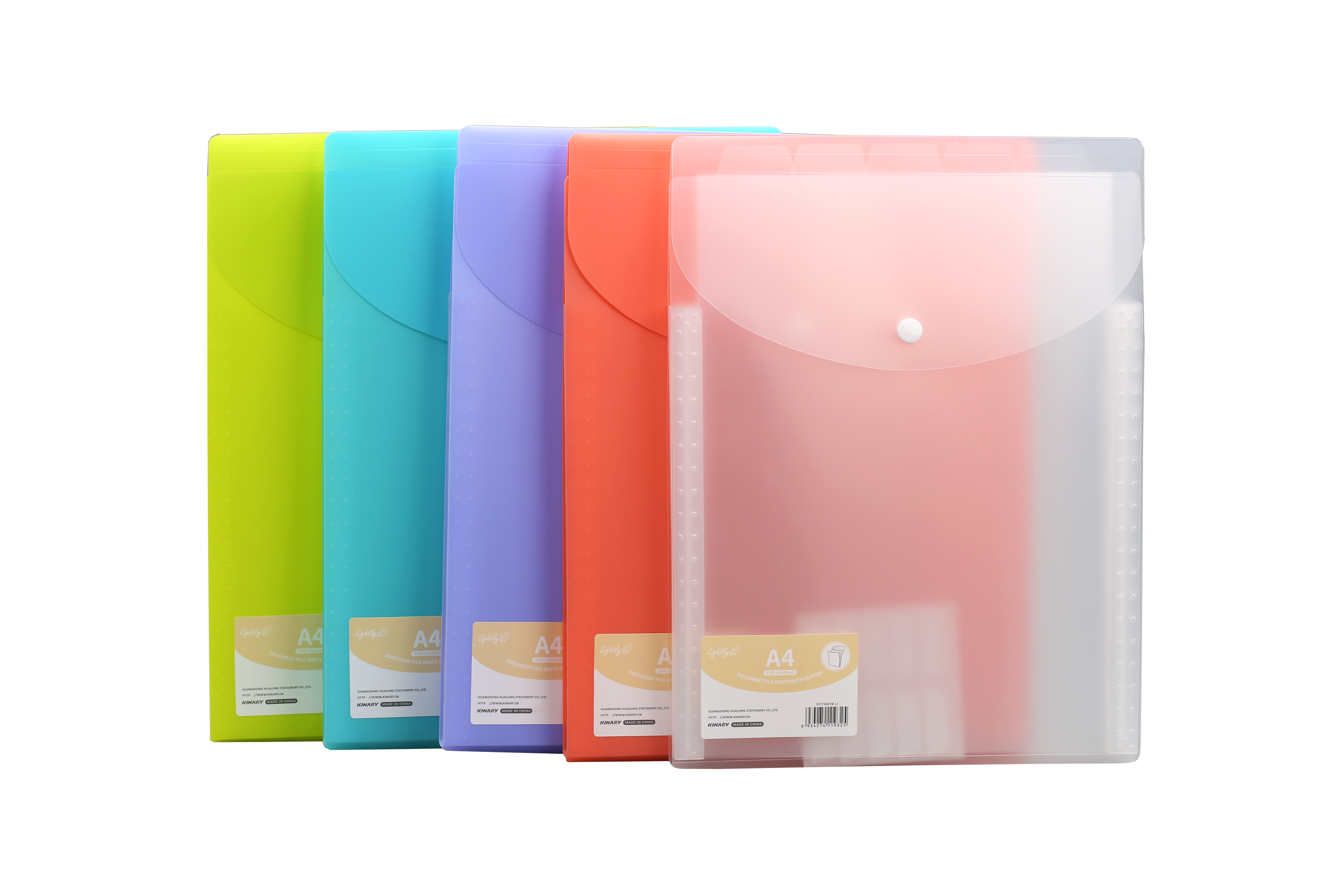
Profesionální systémy archivace spoléhají na kvalitní organizační nástroje, které zajišťují efektivní správu dokumentů a optimalizované provozní procesy. Výrobce indexových oddělovačů pro velkoobchod je klíčovým dodavatelem, který umožňuje podnikům, vzdělávacím institucím a vládním organizacím nasadit účinná řešení pro archivaci v širším měřítku. Tito specializovaní výrobci znají přesné požadavky na odolné, profesionální indexové oddělovače, které vydrží intenzivní používání a zároveň zajišťují jasnou organizaci a snadnou identifikaci uložených dokumentů.
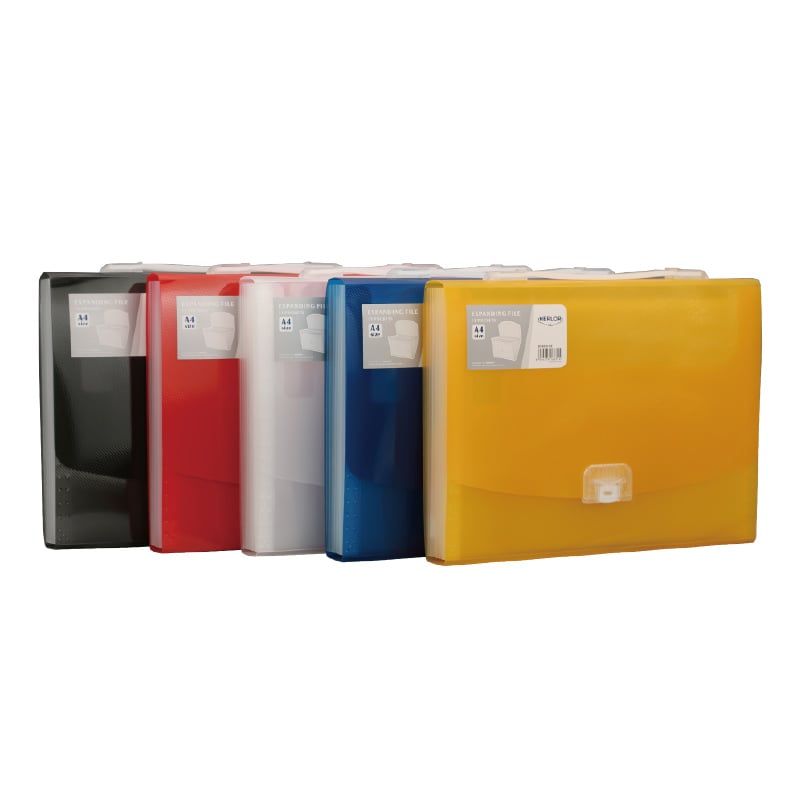
Výběr správného výrobce indexových oddílů přímo ovlivňuje funkčnost a životnost profesionálních systémů archivace v různých odvětvích. Výrobní kapacity, normy kvality, možnosti personalizace a spolehlivost dodavatelského řetězce rozhodují o tom, zda organizace dokáže udržovat konzistentní provoz archivace a zároveň splnit konkrétní požadavky organizace. Pochopení klíčových charakteristik a schopností výrobců indexových oddílů pro velkoobchod pomáhá odborníkům pro nákup učinit informovaná rozhodnutí, která podporují dlouhodobou účinnost systémů archivace a provozní efektivitu.
Výrobní možnosti a výrobní standardy
Výběr materiálu a kontrola kvality
Výrobce profesionálních oddílových záložek dodržuje přísná kritéria výběru materiálů, aby zajistil trvanlivost výrobků a konzistenci jejich výkonu. Výrobní proces obvykle zahrnuje vysoce kvalitní polypropylen nebo zpevněný papír, které odolávají trhání, poškození vlhkostí a opakovanému mechanickému namáhání. Systémy kontroly kvality sledují rovnoměrnost tloušťky, pevnost záložek a konzistenci barev během celé výrobní série, aby byly splněny standardy profesionálního vzhledu požadované pro podnikové archivační aplikace.
Pokročilé výrobní zařízení využívají automatizovaných procesů řezání a dokončování, které zajišťují přesné rozměry a čisté okraje pro profesionální prezentaci. Výrobce rejstříkových oddělovačů používá specializované vybavení pro tvorbu záložek, děrování otvorů a povrchové úpravy, které zvyšují odolnost při současném zachování nákladově efektivních výrobních objemů. Protokoly materiálových zkoušek ověřují, že hotové výrobky splňují průmyslové normy pro archivní kvalitu a dlouhodobou ochranu dokumentů.
Škálovatelnost výrobní kapacity umožňuje velkoobchodním provozům plnit objednávky velkých objemů při zachování konzistentní kvality napříč různými velikostmi šarží. Výrobní pracovní postup zahrnuje flexibilitu pro individuální specifikace bez ohrožení dostupnosti standardních výrobků nebo dodacích lhůt. Tento vyvážený přístup zajišťuje, že jak standardní, tak specializované požadavky na archivaci lze naplnit prostřednictvím jediného dodavatelského vztahu.
Přizpůsobení a flexibilita návrhu
Profesionální systémy pro archivaci často vyžadují specifické organizační schémata, která standardní výrobky nemohou efektivně podporovat. Zkušený výrobce rejstříkových oddílů nabízí širokou škálu možností přizpůsobení, včetně umístění záložek, systémů označování, barevného kódování a specializovaných děr pro různé typy. svazek tyto možnosti přizpůsobení umožňují organizacím implementovat systémy pro archivaci, které odpovídají jejich jedinečným požadavkům na pracovní postupy a kategorizaci dokumentů.
Flexibilita návrhu sahá až k různým rozměrům, konfiguracím záložek a možnostem tisku, které podporují jak standardní, tak specializované aplikace pro archivaci. Výrobní proces umožňuje přizpůsobit šířku záložek, specifikace zpevnění a speciální povlaky, které zvyšují výkon za konkrétních provozních podmínek. Tato přizpůsobivost zajišťuje, že profesionální systémy pro archivaci lze optimalizovat pro konkrétní průmyslové požadavky nebo organizační preference.
Služby vývoje šablon umožňují výrobci oddělovačů pro rejstříky vytvářet standardizované zakázkové výrobky pro opakující se objednávky, a to za zachování cenové efektivity. Možnosti digitálního tisku podporují tisk proměnných údajů, například po sobě jdoucích čísel, kódů oddělení nebo označení specifických pro projekt. Tyto služby zjednodušují implementaci složitých systémů archivace a současně snižují administrativní zátěž velkých organizací.
Řízení dodavatelského řetězce a distribuční sítě
Správa zásob a plnění objednávek
Účinné velkoobchodní provozy vyžadují sofistikované systémy správy zásob, které vyvažují dostupnost zboží s náklady na skladování a uchováním kvality. Spolehlivý výrobce oddělovačů pro rejstříky udržuje strategické úrovně zásob napříč různými výrobními řadami a zároveň uplatňuje protokoly rotace zásob, které zajišťují dodávku čerstvého zboží. Automatické systémy sledování zásob monitorují vzory spotřeby a sezónní poptávku, aby optimalizovaly úrovně zásob a předešly přerušením dodávek.
Procesy plnění objednávek zahrnují kontrolní body kvalitního zabezpečení a standardy balení, které chrání výrobky během přepravy a zároveň zachovávají profesionální prezentaci. Distribuční systém koordinuje činnost s více přepravními společnostmi, aby poskytoval flexibilní možnosti doručení odpovídající naléhavým termínům projektů nebo standardním harmonogramům doplňování zásob. Tento komplexní přístup zajišťuje stálou dostupnost výrobků a současně minimalizuje celkové náklady na vlastnictví při údržbě systémů pro archivaci.
Možnosti prognózování umožňují proaktivní plánování výroby, které předvídat sezónní kolísání poptávky i požadavky velkých projektů. výrobce indexových oddělovačů koordinuje výrobní plány se zákaznickými plánovacími cykly, aby zajistil dostatečnou dostupnost zásob v obdobích maximálního využití. Strategické řízení rezervních zásob zabrání vyčerpání skladových zásob, aniž by došlo k nadměrným nákladům na udržování zásob, které by mohly negativně ovlivnit konkurenceschopné cenové nastavení.
Geografické pokrytí a koordinace logistiky
Národní a regionální distribuční sítě zajišťují konzistentní dostupnost produktů na různých geografických trzích a zároveň optimalizují náklady na dopravu a dodací lhůty. Výrobce indexových dělicích kartiček uzavírá strategická partnerství s logistickými poskytovateli, aby zajistil spolehlivou dopravu a efektivní zpracování objednávek v celém rozsahu svého servisního území. Toto geografické pokrytí podporuje jak centralizované nákupní programy, tak decentralizované požadavky na plnění objednávek u organizací s více lokalitami.
Strategie umístění skladů minimalizují dopravní vzdálenosti a zároveň zajišťují dostatečnou hloubku zásob pro vyrovnání regionálních kolísání poptávky. Distribuční systém umožňuje dodržení standardních dodacích lhůt i expedované dopravy pro naléhavé nasazení systémů pro archivaci nebo pro nouzové doplnění zásob. Koordinované řízení logistiky zajišťuje, že poruchy systémů pro archivaci jsou minimalizovány díky spolehlivé dostupnosti produktů a předvídatelnému dodacímu výkonu.
Možnosti cross-dockingu umožňují efektivní zpracování objednávek velkého objemu a zároveň snižují náklady na manipulaci i doby dodání pro rozsáhlé instalace. Logistická síť podporuje jak paletizované zásilky pro velké zařízení, tak doručení malých balíků jednotlivým oddělením nebo projektově specifickým požadavkům. Tato flexibilita zajišťuje optimalizaci zakoupení pro různé organizační struktury a nákupní preference.
Ověření kvality a standardy výkonu
Zkušební protokoly a požadavky na certifikaci
Profesionální aplikace pro archivaci vyžadují konzistentní výkon výrobků, který splňuje nebo překračuje průmyslové normy pro odolnost a funkčnost. Výrobce rejstříkových dělicích kartiček uplatňuje komplexní testovací protokoly, které hodnotí pevnost materiálu, odolnost štítků, posílení otvorů pro svazky a vlastnosti stárnutí v dlouhodobém horizontu za simulovaných podmínek použití. Tyto testovací postupy zajišťují, že výrobky zachovají profesionální vzhled i funkčnost po celou dobu předpokládané životnosti.
Dodržování certifikací ověřuje, že vyrobené výrobky splňují příslušné bezpečnostní a environmentální normy pro kancelářské a institucionální použití. Systémy řízení jakosti sledují výrobní parametry a při zjištění odchylek výkonu během pravidelného monitoringu zavádějí nápravná opatření. Tento systematický přístup zajistí stálou úroveň jakosti a zároveň umožňuje neustálé zlepšování výrobních procesů i návrhu výrobků.
Systémy sledování šarží umožňují rychlé identifikování a omezení kvalitních problémů a zároveň poskytují stopovatelnost pro uplatnění záručních nároků nebo vyšetřování výkonu. Program zajištění jakosti zahrnuje mechanismy sběru zpětné vazby od zákazníků, které odhalují skutečné provozní problémy a vedou iniciativy ke zlepšení výrobků. Tento komplexní přístup k řízení jakosti zajišťuje spolehlivost systémů pro archivaci prostřednictvím stálého výkonu výrobků.
Ověření výkonu a uživatelská zkušenost
Ověřování výkonu v reálných podmínkách zahrnuje testování produktů za skutečných podmínek archivace, aby se ověřilo, že výrobní specifikace odpovídají efektivním organizačním nástrojům. Výrobce oddělovačů pro rejstříky spolupracuje s koncovými uživateli při hodnocení výkonu produktů v různých prostředích archivace a scénářích použití. Tento proces ověřování zajistí, že návrhové specifikace odpovídají praktickým požadavkům na archivaci a očekáváním uživatelů.
Ergonomické aspekty jsou zapracovány do návrhu produktu, aby se optimalizovala snadnost použití a snížily se požadavky na údržbu systému archivace. Testování uživatelského zážitku posuzuje viditelnost štítků, manipulační vlastnosti a sílu potřebnou k vložení, aby byla zajištěna efektivní práce se systémem archivace i během období zpracování velkého objemu dokumentů. Tyto faktory výkonu přímo ovlivňují produktivitu systému archivace a uspokojenost uživatelů v průběhu času.
Programy hodnocení trvanlivosti sledují dlouhodobé provozní vlastnosti prostřednictvím rozšířených testů provozu a polních hodnotících studií. Výrobce sleduje data o výkonu výrobku, aby identifikoval potenciální zlepšení a ověřil změny návrhu ještě před tím, než budou provedeny úpravy standardních výrobních řad. Toto nepřetržité sledování výkonu zajišťuje, že spolehlivost systémů pro uspořádání dokumentů je udržována díky ověřeným návrhům výrobků a výrobním procesům.
Struktura nákladů a optimalizace hodnoty
Cenové modely a objemová ekonomika
Struktury velkoobchodních cen odrážejí úspory vznikající díky ekonomii rozsahu při výrobě ve velkém množství, zároveň však poskytují cenové výhody, které podporují konkurenceschopné implementace systémů pro uspořádání dokumentů. Výrobce indexových oddílů vyvíjí cenové modely, které odměňují závazky k nákupu větších objemů, a zároveň zachovávají flexibilitu pro různé velikosti objednávek a kolísání poptávky v průběhu jednotlivých ročních období. Tyto cenové přístupy umožňují organizacím optimalizovat náklady na systémy pro uspořádání dokumentů prostřednictvím strategických nákupních rozhodnutí a řízení vztahů se dodavateli.
Služby hodnotového inženýrství identifikují příležitosti ke snížení celkových nákladů na systém prostřednictvím optimalizace výrobku a upřesnění specifikací, aniž by došlo ke kompromisu s požadavky na výkon. Výrobce spolupracuje se zákazníky při posuzování alternativních materiálů, konstrukčních úprav a možností balení, které umožňují snížit náklady při zachování požadované funkčnosti. Tento poradní přístup zajišťuje optimalizaci rozpočtů pro archivační systémy prostřednictvím informovaného výběru výrobků a vypracování specifikací.
Smluvní cenové uspořádání poskytují předvídatelné náklady pro víceleté programy archivačních systémů a zároveň zajišťují dostatečnou dostupnost zásob a konzistentní specifikace výrobků. Struktury objemových slev odměňují loajalitu a závazek k plánování a zároveň poskytují jistotu nákladů pro rozpočtové plánování a vývoj projektů. Tyto cenové mechanismy podporují dlouhodobé plánování archivačních systémů a zároveň optimalizují efektivitu zakázek a kontrolu nákladů.
Úvahy o celkových nákladech vlastnictví
Ekonomika systému pro archivaci sahá dál než pouze počáteční náklady na výrobek a zahrnuje také faktory, jako je odolnost, frekvence výměny a dopad na provozní efektivitu. Výrobce oddílových kartiček zaměřený na kvalitu nabízí produkty, které minimalizují celkové náklady na vlastnictví díky prodloužené životnosti a konzistentním provozním charakteristikám. Tyto hodnotové faktory často převáží rozdíly v počáteční ceně, pokud se posuzují v rámci celého životního cyklu systému pro archivaci.
Požadavky na údržbu a plány výměny jsou ovlivněny kvalitou výrobku a konstrukčními charakteristikami, které působí na dlouhodobé náklady systému pro archivaci. Vyšší kvalita materiálů a výrobních procesů snižuje frekvenci údržby systému pro archivaci a výměny jeho komponent, přičemž se udržují profesionální standardy vzhledu. Tato výhoda odolnosti se v průběhu času promítá do nižších administrativních nákladů a menšího počtu přerušení provozu systému pro archivaci.
Výhody operační efektivity vyplývají z konzistentního výkonu produktu, který udržuje organizaci systému archivace a snižuje dobu vyhledávání dokumentů. Výrobce oddělovačů pro rejstříky navrhuje produkty, které podporují efektivní operace archivace při současném minimalizování nároků na školení uživatelů a složitosti systému. Tyto operační výhody přispívají ke zvýšení produktivity, které často převyšuje přímou úsporu nákladů z levnějších alternativ.
Průmyslové aplikace a specializované požadavky
Zdravotnictví a regulované odvětví
Zdravotnická zařízení vyžadují řešení pro archivaci, která splňují přísné regulační normy a zároveň podporují efektivní správu pacientských údajů a dokumentaci pro dodržování předpisů. Výrobce oddělovačů pro složky dobře zná specifické požadavky na organizaci lékařských záznamů, včetně důsledků pro dodržování předpisu HIPAA a norem kvality pro archivaci záznamů s dlouhodobým uchováním. Specializované produkty mohou zahrnovat antimikrobiální úpravy, barevné kódovací systémy pro různé typy záznamů a posílení pro aplikace s vysokou frekvencí použití.
Farmaceutické a biotechnologické společnosti často vyžadují systémy pro archivaci dokumentů, které podporují předkládání dokumentů regulativním orgánům a kvalitní dokumentaci s konkrétními požadavky na organizaci a sledovatelnost. Přizpůsobené systémy označování a číslování umožňují složitou organizaci dokumentů při zachování souladu s průmyslově specifickými předpisy a požadavky na audit. Výrobní proces umožňuje použití specializovaných materiálů a úprav, které zajišťují ochranu dokumentů v kontrolovaných prostředích.
Právní a finanční služby vyžadují řešení pro archivaci dokumentů, která podporují správu důvěrných dokumentů se zvýšenými bezpečnostními funkcemi a profesionálními standardy prezentace. Výrobce rejstříkových oddílů nabízí produkty, které zachovávají integritu dokumentů a zároveň podporují efektivní správu případů a organizaci klientových složek. Mezi specializované funkce mohou patřit náznaky narušení (tamper-evident), posílená ochrana soukromí a vysoce kvalitní materiály pro aplikace s vysokým profilem.
Vzdělávací a vládní aplikace
Vzdělávací instituce vyžadují trvanlivá řešení pro archivaci, která vydrží intenzivní používání a zároveň podporují různorodé požadavky na organizaci v různých odděleních a programech. Výrobce indexových dělicích kartonů navrhuje produkty, které umožňují správu žákovských spisů, organizaci učebních plánů a správu administrativní dokumentace s přiměřenou trvanlivostí a cenovou efektivností odpovídající rozpočtovým možnostem institucí. Balení v dávkách a standardizované specifikace usnadňují procesy nákupu a správy zásob.
Veřejné správní orgány často vyžadují systémy pro archivaci dokumentů, které splňují konkrétní požadavky na veřejnou zakázku a zároveň podporují zabezpečené správy dokumentů a organizaci veřejných záznamů. Dodržení státních specifikací zajišťuje, že výrobky splňují požadované normy týkající se odolnosti, dopadu na životní prostředí a certifikace dodavatelů. Výrobce udržuje příslušná certifikáty a dokumentaci kvality, aby podporoval procesy veřejné zakázky a požadavky na audit.
Městské a okresní úřady vyžadují cenově výhodná řešení pro archivaci dokumentů, která podporují poskytování veřejných služeb a zároveň zachovávají profesionální standardy pro organizaci a vyhledávání dokumentů. Výrobce indexových oddílových kartiček nabízí výrobky, které vyvažují rozpočtová omezení s požadavky na výkon a zároveň podporují efektivní fungování veřejné správy a přístup veřejnosti k informacím. Standardizované výrobky a konkurenceschopné ceny umožňují účinné využití veřejných prostředků při zachování kvality poskytovaných služeb.
Často kladené otázky
Jaké certifikáty bych měl hledat při výběru výrobce rejstříkových oddílů?
Hledejte výrobce s certifikací ISO 9001 pro systémy řízení kvality, relevantními environmentálními certifikáty, jako je například schválení Lesní správní rady (FSC) pro papírové výrobky, a odvětvovými certifikáty, které mohou být vyžadovány pro vaše konkrétní použití. Mnoho profesionálních aplikací také těží z toho, že výrobci dodržují dokumentaci o souladu s požadavky OSHA a poskytují bezpečnostní listy materiálů (MSDS) pro své výrobky. Pro aplikace ve státní správě nebo v regulovaných odvětvích mohou být nutné další certifikáty, jako je například schválení GSA nebo odvětvové standardy kvality.
Jak mohu posoudit kvalitu a trvanlivost rejstříkových oddílů ještě před tím, než objednám velké množství?
Požádejte o vzorky konkrétních produktů, které zvažujete, a proveďte vlastní testy odolnosti za reálných podmínek použití. Posuďte faktory, jako je pevnost jazýčků, tloušťka materiálu, kvalita zesílení otvorů a odolnost vůči častému manipulování. Zeptejte se výrobce na podrobné technické specifikace, informace o složení materiálu a jakákoli dostupná zkušební data nebo studie výkonu. Zvažte požadavek na reference od podobných organizací, které tyto produkty již používaly v srovnatelných aplikacích, abyste získali přehled o dlouhodobém výkonu a úrovni spokojenosti.
Jaké možnosti přizpůsobení jsou obvykle k dispozici u výrobců indexových dělicích kartiček pro velkoobchod?
Většina profesionálních výrobců nabízí rozsáhlou personalizaci, včetně různých poloh a šířek záložek, individuálního tisku pro štítky nebo číslovací systémy, možností barevného kódování, specializovaných děr pro různé vazební systémy a vylepšení materiálů za účelem zvýšení odolnosti. Mnozí z nich také poskytují individuální balení, sekvenční číslování, tisk proměnných dat a speciální povrchové úpravy nebo povlaky určené pro konkrétní prostřední podmínky. Rozsah možností personalizace často závisí na objednaném množství, přičemž rozšířená personalizace je obvykle dostupná pouze při objednávce větších dávek.
Jak určím vhodné množství objednávek, abych dosáhl rovnováhy mezi úsporami nákladů a řízením zásob?
Pro stanovení základních úrovní poptávky analyzujte své historické vzory využití a sezónní kolísání, poté zvažte faktory, jako je kapacita skladování, trvanlivost produktů a požadavky na hotovostní tok. Spolupracujte s výrobcem dělicích pruhů pro indexy, abyste pochopili jejich struktury objemových slev a minimální množství objednávek pro různé úrovně personalizace. Zvažte uzavření ročních smluv se stanovenými dodávkami, abyste využili objemových cen, přičemž náklady na zásoby rozdělíte v čase a snížíte požadavky na skladování. Při určování úrovní bezpečnostních zásob a bodů opakování objednávek zohledněte dodací lhůty a potenciální poruchy dodávek.
Obsah
- Výrobní možnosti a výrobní standardy
- Řízení dodavatelského řetězce a distribuční sítě
- Ověření kvality a standardy výkonu
- Struktura nákladů a optimalizace hodnoty
- Průmyslové aplikace a specializované požadavky
-
Často kladené otázky
- Jaké certifikáty bych měl hledat při výběru výrobce rejstříkových oddílů?
- Jak mohu posoudit kvalitu a trvanlivost rejstříkových oddílů ještě před tím, než objednám velké množství?
- Jaké možnosti přizpůsobení jsou obvykle k dispozici u výrobců indexových dělicích kartiček pro velkoobchod?
- Jak určím vhodné množství objednávek, abych dosáhl rovnováhy mezi úsporami nákladů a řízením zásob?
