 EN
EN

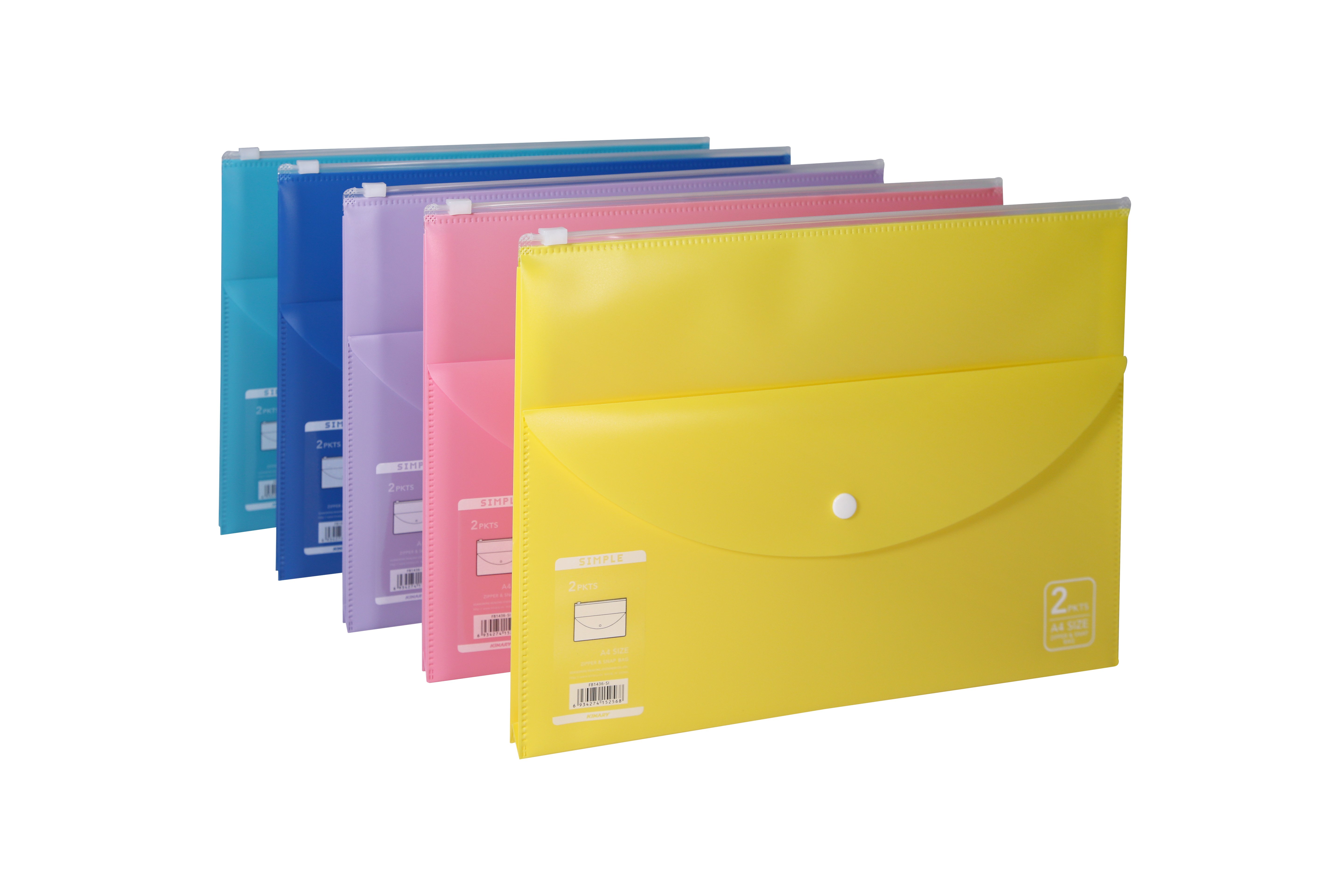
Industrial environments demand documentation solutions that can withstand harsh conditions, frequent handling, and extensive use over time. Heavy-duty binders represent a critical component of industrial documentation systems, providing robust protection for essential reports, manuals, safety protocols, and compliance documents that form the backbone of modern manufacturing and industrial operations.
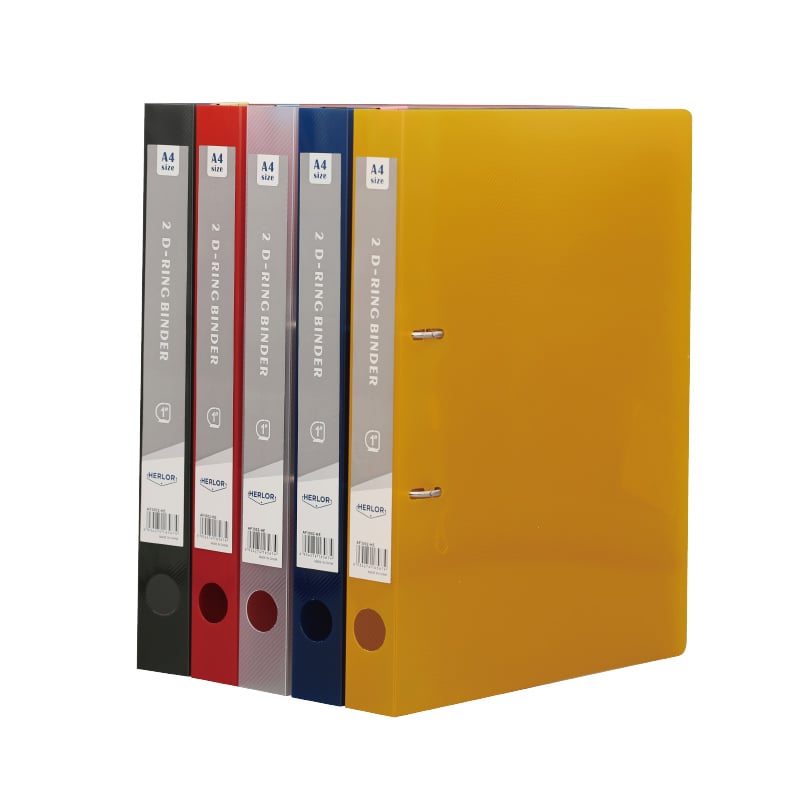
The engineering behind industrial-grade binders involves sophisticated material science, structural design principles, and manufacturing processes specifically tailored to meet the rigorous demands of factory floors, construction sites, maintenance facilities, and other challenging work environments. Understanding these engineering fundamentals enables facility managers and procurement specialists to select documentation solutions that deliver long-term reliability and cost-effectiveness.
Material Engineering and Construction Standards
Advanced Polymer Composition
Heavy-duty binders utilize engineered polymer materials that combine durability with chemical resistance. The primary construction material typically consists of high-density polyethylene or polypropylene compounds that have been formulated to resist degradation from industrial solvents, oils, and cleaning chemicals commonly encountered in manufacturing environments. These materials undergo specific molecular cross-linking processes during manufacturing to enhance their structural integrity and longevity.
The polymer engineering process incorporates UV stabilizers and antioxidants to prevent material breakdown under fluorescent lighting and outdoor exposure conditions. This chemical composition ensures that heavy-duty binders maintain their structural properties even when subjected to temperature fluctuations between -40°F and 180°F, making them suitable for use in diverse industrial settings from cold storage facilities to heated manufacturing areas.
Advanced manufacturing techniques such as injection molding and compression forming create uniform wall thickness and eliminate weak points that could lead to premature failure. The resulting binder covers exhibit superior impact resistance compared to standard office-grade alternatives, withstanding drops from significant heights and repeated mechanical stress without cracking or losing their protective capabilities.
Reinforcement Architecture
The structural engineering of industrial binders incorporates strategic reinforcement elements that distribute stress loads across the entire cover surface. Internal ribbing patterns follow geometric principles derived from aerospace and automotive engineering, creating maximum strength-to-weight ratios while maintaining cost-effective manufacturing processes. These reinforcement structures prevent flexural failure under heavy document loads and resist deformation during extended storage periods.
Corner reinforcement represents a critical engineering consideration, as these areas experience the highest stress concentrations during normal use. Heavy-duty binders feature radiused corners with increased material thickness and specialized welding techniques that create seamless joints. This design approach eliminates the sharp stress concentrators found in conventional binders while providing enhanced protection for the enclosed documents.
The spine engineering incorporates flexible hinge mechanisms that accommodate varying document thicknesses while maintaining consistent clamping pressure. These hinge systems utilize living hinge technology that allows millions of opening and closing cycles without mechanical failure, ensuring reliable long-term performance in high-usage industrial applications.
Mechanical Hardware Systems
Ring Mechanism Engineering
The ring mechanisms in heavy-duty binders utilize precision-engineered metal components designed to withstand extreme mechanical loads. The ring assemblies typically employ spring steel construction with specialized heat treatment processes that provide optimal elasticity and fatigue resistance. These materials maintain consistent clamping force even after thousands of opening and closing cycles, ensuring secure document retention throughout the binder's operational life.
The trigger mechanism incorporates dual-action safety features that prevent accidental opening during transport or handling. This engineering approach utilizes mechanical advantage principles to reduce the force required for intentional operation while increasing the resistance to unintended activation. The result is a user-friendly interface that maintains document security in challenging industrial environments.
Corrosion resistance represents a fundamental design requirement for industrial ring mechanisms. The metal components undergo multi-stage coating processes including zinc plating, chromate conversion, and polymer top coats that provide comprehensive protection against moisture, salt spray, and chemical exposure. This surface engineering ensures consistent mechanical performance even in marine, chemical processing, or outdoor construction applications.
Mounting and Retention Systems
Heavy-duty binders incorporate sophisticated mounting systems that secure the ring mechanism to the binder cover through multiple attachment points. These mounting systems distribute mechanical loads across reinforced areas of the cover material, preventing stress concentration that could lead to hardware separation or cover failure. The engineering approach utilizes both mechanical fasteners and chemical bonding techniques to create permanent, vibration-resistant connections.
The retention system design accommodates standard three-hole punched documents while providing additional security features for critical documentation. Some industrial binder configurations include locking mechanisms that prevent unauthorized access to sensitive technical specifications, safety protocols, or compliance records. These security features integrate seamlessly with the basic ring mechanism without compromising ease of use for authorized personnel.
Capacity engineering ensures that heavy-duty binders can accommodate substantial document volumes without compromising mechanical integrity. The hardware systems are designed to handle capacities ranging from standard office loads up to several inches of technical drawings, specification sheets, and maintenance records. This scalability makes them suitable for diverse industrial documentation requirements from quality control checklists to comprehensive equipment manuals.
Environmental Protection Features
Moisture and Chemical Barrier Properties
Industrial environments expose documentation to various liquid hazards including water, hydraulic fluids, cutting oils, and cleaning solvents. Heavy-duty binders incorporate engineered barrier properties that protect enclosed documents from these environmental threats. The cover materials feature closed-cell surface structures that prevent liquid penetration while maintaining flexibility and ease of handling.
Chemical compatibility testing ensures that heavy-duty binders maintain their protective properties when exposed to specific industrial chemicals. The material formulations undergo comprehensive evaluation against common industrial substances including acids, bases, organic solvents, and petroleum products. This testing validates the long-term stability of both the cover material and any printed graphics or labeling systems applied to the binder surface.
Sealing effectiveness depends on the precision engineering of cover edges and closure mechanisms. Heavy-duty binders utilize overlapping edge designs and compression sealing principles that create effective barriers against dust, moisture, and chemical vapors. These sealing systems operate without requiring additional gaskets or maintenance procedures, providing reliable protection through passive engineering approaches.
Temperature and UV Resistance
Thermal stability represents a critical performance parameter for industrial binders exposed to temperature extremes. The material engineering incorporates thermal expansion coefficients that match the dimensional changes of enclosed paper documents, preventing binding or jamming of the ring mechanisms during temperature cycling. This thermal compatibility ensures consistent operation across the full temperature range specified for industrial use.
UV resistance prevents degradation of cover materials and graphics when binders are used in outdoor applications or under high-intensity industrial lighting. The polymer formulations include UV absorbers and light stabilizers that maintain color stability and mechanical properties even after extended exposure periods. This protection extends to any printed labels, barcodes, or identification systems integrated into the binder design.
Thermal cycling resistance ensures that heavy-duty binders maintain their protective capabilities when subjected to repeated heating and cooling cycles. The engineering approach considers differential thermal expansion between various components and incorporates design features that accommodate these changes without creating stress points or compromising seal integrity.
Industrial Application Optimization
Ergonomic Design Considerations
The ergonomic engineering of heavy-duty binders addresses the specific handling requirements of industrial environments where workers may be wearing gloves, working in confined spaces, or operating under time constraints. The cover surfaces incorporate textured grip areas that provide secure handling even when contaminated with oils or other substances commonly found on industrial worksites.
Size and weight optimization ensures that heavy-duty binders remain practical for field use while maximizing document capacity and protection. The engineering approach balances structural requirements with portability considerations, creating products that can be easily transported between work areas without compromising durability or user safety. Spine width engineering accommodates varying document thicknesses while maintaining consistent external dimensions for storage efficiency.
Opening force requirements receive careful engineering attention to ensure that binders remain accessible to users with varying physical capabilities while maintaining security during transport. The mechanism design incorporates leverage principles that minimize required finger force while providing positive tactile feedback to confirm proper closure. This approach enhances usability in industrial environments where quick access to documentation may be critical for safety or operational efficiency.
Identification and Organization Systems
Heavy-duty binders incorporate multiple identification options designed to support industrial organization and inventory management systems. The cover surfaces provide dedicated areas for adhesive labels, direct printing, and embossed identification that remain legible despite exposure to industrial environments. These identification systems utilize materials and attachment methods engineered for permanence and chemical resistance.
Color coding capabilities support visual organization systems commonly used in industrial facilities for safety protocols, equipment categories, or departmental assignments. The color stability engineering ensures that identification systems remain effective throughout the binder's operational life, preventing confusion that could compromise safety or efficiency in industrial operations.
Barcode and RFID integration options accommodate modern inventory management and tracking systems used in industrial facilities. The engineering design provides flat, stable surfaces suitable for various automatic identification technologies while protecting these systems from environmental damage. This integration capability enables heavy-duty binders to participate in comprehensive document management and audit trail systems required in regulated industrial environments.
FAQ
What makes heavy-duty binders different from standard office binders in terms of engineering?
Heavy-duty binders incorporate advanced polymer materials, reinforced construction architecture, and precision-engineered hardware systems specifically designed for industrial environments. The materials resist chemical exposure, temperature extremes, and mechanical stress far beyond the capabilities of standard office products. The engineering includes enhanced wall thickness, strategic ribbing patterns, corrosion-resistant hardware, and environmental sealing features that provide long-term reliability in challenging industrial applications.
How do environmental protection features in heavy-duty binders work?
Environmental protection relies on engineered barrier properties including closed-cell surface structures, overlapping edge designs, and compression sealing mechanisms. The cover materials undergo chemical compatibility testing to ensure resistance to industrial solvents, oils, and cleaning agents. UV stabilizers and thermal additives protect against degradation from lighting and temperature cycling. These features work together to create comprehensive protection for enclosed documents without requiring maintenance or additional sealing components.
What capacity ranges can heavy-duty binders accommodate while maintaining structural integrity?
Heavy-duty binders are engineered to handle capacities ranging from standard document volumes up to several inches of technical drawings and specifications. The ring mechanisms and mounting systems distribute mechanical loads across reinforced cover areas to prevent failure under maximum capacity conditions. The hardware systems maintain consistent clamping pressure and smooth operation throughout the full capacity range, ensuring secure document retention and easy access regardless of document volume.
How do the ergonomic features of heavy-duty binders address industrial workplace requirements?
Ergonomic engineering includes textured grip surfaces for secure handling with gloves, optimized opening force requirements that balance security with accessibility, and size-weight optimization for field portability. The mechanism design incorporates leverage principles to minimize required finger force while providing positive tactile feedback. These features ensure that binders remain practical and safe to use in industrial environments where workers may be dealing with time constraints, protective equipment, or challenging working conditions.
Table of Contents
- Material Engineering and Construction Standards
- Mechanical Hardware Systems
- Environmental Protection Features
- Industrial Application Optimization
-
FAQ
- What makes heavy-duty binders different from standard office binders in terms of engineering?
- How do environmental protection features in heavy-duty binders work?
- What capacity ranges can heavy-duty binders accommodate while maintaining structural integrity?
- How do the ergonomic features of heavy-duty binders address industrial workplace requirements?
