EN
EN

Mastering Document Management On-the-Go
In our fast-paced professional world, effective document organization isn't just about keeping papers tidy – it's about maintaining productivity and peace of mind. Whether you're a busy executive rushing between meetings or a freelancer working from different locations, having a well-organized document system in your bag can make the difference between success and chaos. Let's explore comprehensive strategies for maintaining an efficient, accessible, and protected document management system while on the move.
Essential Components of Mobile Document Organization
Choosing the Right Storage Solutions
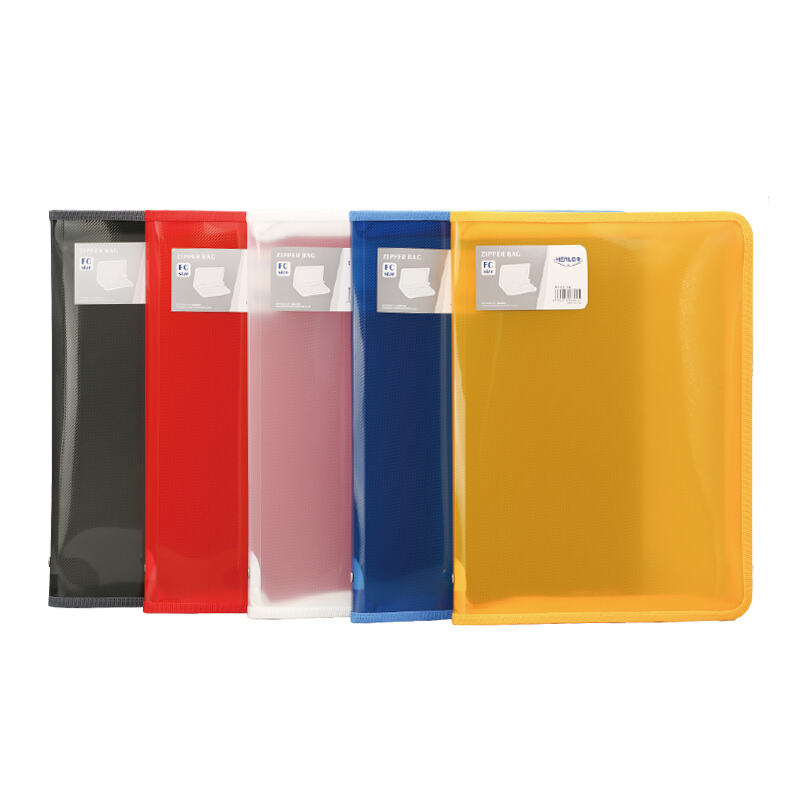
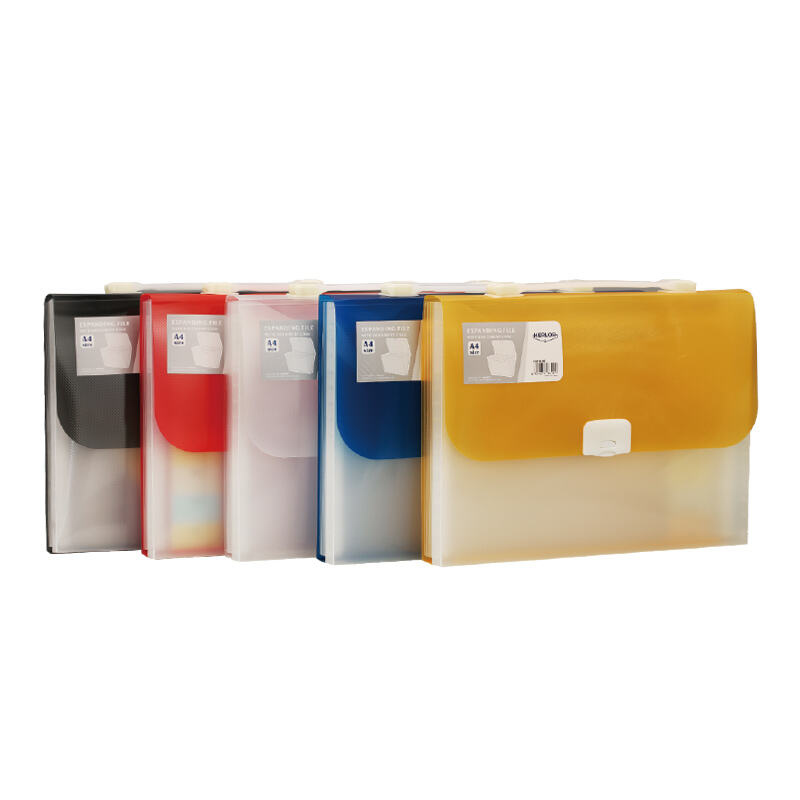
The foundation of effective document organization starts with selecting appropriate storage tools. Consider using clear plastic folders with multiple compartments, allowing you to quickly identify and access specific documents without rifling through everything. Color-coding systems can further enhance your document organization, making it intuitive to locate different categories of paperwork at a glance.
Invest in waterproof document holders to protect important papers from unexpected weather or spills. These specially designed containers not only safeguard your documents but also help maintain their professional appearance. Remember to choose options that fit comfortably in your bag while maximizing space efficiency.
Creating a Logical Classification System
Develop a classification system that aligns with your workflow and document types. Begin by categorizing documents based on priority levels – immediate action items, reference materials, and archive-worthy documents. Within these categories, implement subcategories based on projects, clients, or departments.
Consider using tabs or dividers to separate different document categories physically. This approach to document organization ensures you can quickly locate specific items even when time is of the essence. Label everything clearly and consistently to maintain the system's effectiveness over time.
Strategic Document Arrangement Techniques
Implementing the Frequency-Based Method
Arrange documents based on how frequently you need to access them. Keep frequently used items at the front of your filing system for easy reach. This approach minimizes the time spent searching through your bag and reduces wear and tear on less frequently accessed documents.
Consider creating a quick-access pocket for documents you'll need within the next few hours. This strategic document organization technique ensures you're always prepared for upcoming meetings or presentations without having to search through your entire collection.
Maintaining Physical Document Integrity
Protect important documents from creasing or damage by using rigid portfolio inserts or document sleeves. These tools maintain the professional appearance of your materials while facilitating efficient document organization. Position heavier items at the bottom of your bag to prevent crushing more delicate papers.
Regular maintenance of your filing system is crucial. Check for wear and tear on folders and sleeves, replacing them as needed. This proactive approach ensures your document organization system remains effective and professional-looking over time.
Digital Integration for Enhanced Organization
Hybrid Document Management Solutions
Incorporate digital tools to complement your physical document organization system. Use your smartphone to photograph important documents as backups, and consider apps specifically designed for document tracking and management. This hybrid approach ensures you have access to critical information even if you can't immediately locate the physical copy.
Cloud storage solutions can serve as a virtual extension of your physical filing system. Develop a consistent naming convention for both digital and physical files to maintain seamless integration between the two systems. This approach to document organization provides an additional layer of security and accessibility.
Digital Document Tracking
Implement a digital tracking system to monitor document locations and movements. Simple spreadsheets or specialized apps can help you maintain an inventory of your physical documents, including their current location and when they need to be acted upon or filed away.
Regular audits of your digital tracking system ensure it remains accurate and useful. Update your records whenever documents are added, removed, or relocated within your bag. This systematic approach to document organization helps prevent lost or misplaced items.
Advanced Maintenance and Optimization
Regular System Review and Updates
Schedule weekly reviews of your document organization system to maintain its effectiveness. Remove unnecessary items, update your classification system as needed, and ensure all documents are properly filed. This routine maintenance prevents your bag from becoming overwhelmed with outdated or irrelevant materials.
Use these review sessions to evaluate the efficiency of your current system and implement improvements. Consider feedback from your own experience and adapt your organization methods to better suit your evolving needs.
Emergency Preparedness Strategies
Develop contingency plans for managing documents during unexpected situations. Create a priority list identifying which documents must be protected or accessed first in case of emergencies. Keep essential contact information readily available for quick reference.
Consider maintaining a small emergency kit including spare folders, labels, and basic supplies for on-the-spot document organization needs. This preparation ensures you can handle unexpected document management challenges effectively.
Frequently Asked Questions
How can I prevent documents from getting damaged in my bag?
Use waterproof document holders and rigid portfolios to protect papers from moisture and crushing. Place documents in plastic sleeves and position them away from items that could leak or cause damage. Consider using a bag with a dedicated document compartment for additional protection.
What's the best way to organize time-sensitive documents?
Create a dedicated section for time-sensitive materials, arranged chronologically. Use colored tabs or markers to indicate urgency levels, and maintain a separate quick-access pocket for documents needed within the next 24 hours. Regular review of this section ensures nothing gets overlooked.
How often should I review and update my document organization system?
Conduct quick daily checks of your document organization system and perform thorough reviews weekly. Remove unnecessary papers, update your classification system, and maintain your storage solutions monthly. This regular maintenance ensures your system remains efficient and effective over time.